The day has come: MyFoodPath is live. What started as an idea in my notes is now a platform you can use today. Here is why I built it and what I want to achieve with it.
How it all began
For years I struggled with digestive problems. I went from doctor to doctor, read countless guides and tried a lot: remedies, home treatments, dietary supplements, one more powder and one more capsule.
Along the way I noticed something that kept bothering me: there are a surprising number of inconsistencies. Guides contradict each other. Much of what is presented as fact is only a guess. Some of it is a half-truth, and some of it is simply wrong. As someone affected, I could hardly tell which was which.
The problem: good answers are hard to find
If you want to know whether a nutrient or a food has a particular effect, you quickly end up with scientific studies, statements from authorities and meta-analyses. Finding them, putting them in context and understanding them is time-consuming and complicated, especially when you are also trying to take care of your health.
That is where MyFoodPath comes in. I wanted a place where this research has already been done, and where you can read where a claim comes from instead of simply having to believe it.
What MyFoodPath is meant to do
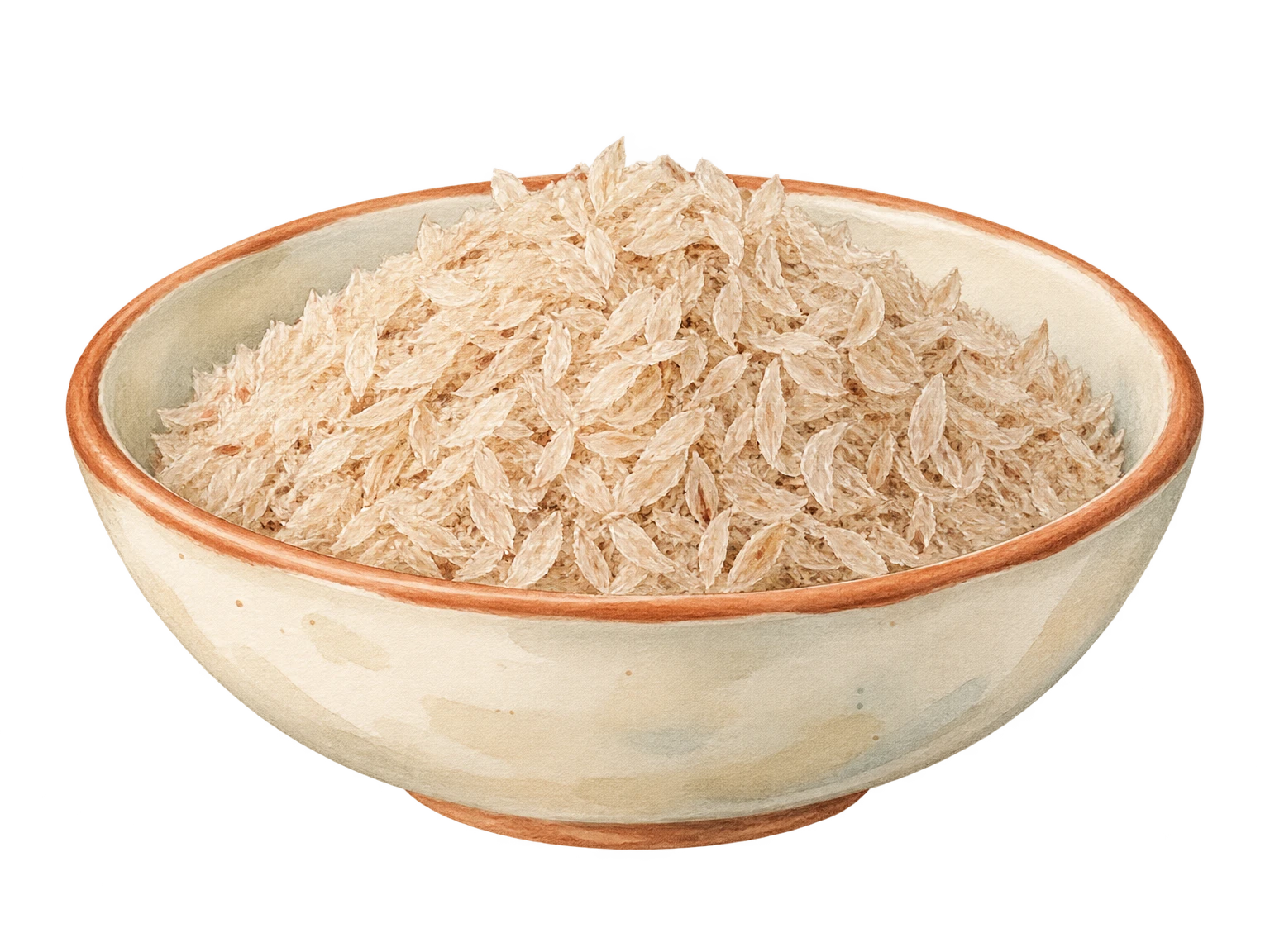
- Evidence instead of assertions. For foods and nutrients such as Magnesium or Psyllium husk, MyFoodPath shows which effects are backed by science, for example on Bowel regularity.
- Transparent sources. Every statement should be traceable back to its source. How we work is explained on the How we work page.
- Clearly explained. Nutrition knowledge should be accessible not only to experts but to everyone who wants to improve their diet step by step.
- Multilingual. The platform is available in German, English and Italian.
Still small, but growing
I want to be honest: the database is still relatively small. That is because good research takes time. Every entry has to be read, checked and backed with sources. I would rather have a few entries you can rely on than many where nobody knows where they come from.
At the same time, MyFoodPath grows almost daily: new foods, nutrients and effects are added all the time. So it is worth coming back regularly.
What now?
Browse the knowledge base, read the guides and see what helps you. If a food, nutrient or effect you care about is missing, stay tuned: the database keeps growing.
Thank you for being here. Welcome to MyFoodPath.