How nutrition works
Body functions and how nutrients and foods relate to them.
Which nutrients contribute to which body functions? Here you find effects with evidence ratings and sources.
How nutrition works
Muscle function
The normal function of muscles – from contraction to relaxation.
Muscle mass
Building and maintaining muscle mass.
Energy metabolism
How the body obtains energy from food.
Nervous system
The normal functioning of the nervous system.
Bowel regularity
Stool frequency and consistency – and what influences them.
Blood pressure
How diet, minerals and salt can influence blood pressure.
Body weight
What studies show about the link between diet and body weight.
Glycaemic control
How diet can influence blood glucose after eating.
Psychological function
Which nutrients contribute to normal psychological function.
Tiredness and fatigue
Which nutrients contribute to the reduction of tiredness and fatigue.
Electrolyte balance
How nutrients contribute to a normal electrolyte balance.
Fluid balance
What role minerals play in how the body distributes fluid.
Bone health
Which nutrients contribute to the maintenance of normal bones.
Dental health
Which nutrients contribute to the maintenance of normal teeth.
Protein synthesis
Which nutrients contribute to normal protein synthesis.
Cell division
Which nutrients are involved in normal cell division.
Immune system
Which nutrients contribute to the normal function of the immune system.
Homocysteine metabolism
Which nutrients contribute to normal homocysteine metabolism.
Red blood cell formation
Which nutrients contribute to normal red blood cell formation.
Hormonal activity
Which nutrients contribute to the regulation of hormonal activity.
Blood cholesterol
How diet and fibre can influence blood cholesterol levels.
Cognitive function
Which nutrients contribute to normal cognitive function.
Protection from oxidative stress
Which nutrients protect cells from oxidative stress.
Collagen formation
Which nutrients contribute to normal collagen formation.
Skin, hair and nails
Which nutrients contribute to the maintenance of normal skin, hair and nails.
Iron absorption
Which nutrients improve the absorption of iron from food.
Calcium and phosphorus metabolism
Which nutrients support the absorption and use of calcium and phosphorus.
Blood coagulation
Which nutrients contribute to normal blood clotting.
Oxygen transport
Which nutrients contribute to normal oxygen transport in the body.
DNA synthesis
Which nutrients contribute to normal DNA synthesis.
Metabolism of carbohydrates, fats and protein
Which nutrients contribute to the normal metabolism of carbohydrates, fats and protein.
Common cold
What studies show about nutrients and the common cold.
Irritable bowel symptoms
What studies show about fibre and symptoms of irritable bowel syndrome.
Gut microbiota
How diet and fibre can influence the bacteria in the gut.
Cardiovascular health
What studies show about diet and cardiovascular disease.
Maternal tissue growth in pregnancy
Which nutrients contribute to the growth of maternal tissue during pregnancy.
Neural tube defects
What is known about preventing neural tube defects in children.
Thyroid function
Which nutrients contribute to normal thyroid function.
Vision
Which nutrients contribute to the maintenance of normal vision.
Fertility and reproduction
Which nutrients contribute to normal fertility and reproduction.
Iron metabolism
Which nutrients contribute to normal iron metabolism and transport.
Connective tissue
Which nutrients contribute to the maintenance of normal connective tissue.
Cell membrane
Which nutrients contribute to the normal function of cell membranes.




























Related articles

Why we say “one step at a time” at MyFoodPath
Radical diet changes often overwhelm your gut and do not tell you what actually helped. Here is what “one step at a time” means and how to put it into practice.

MyFoodPath is live – and why this project exists
After a long preparation, MyFoodPath goes live: a knowledge base showing what foods and nutrients have been scientifically shown to do – and what they have not.
Eating more fibre: step by step
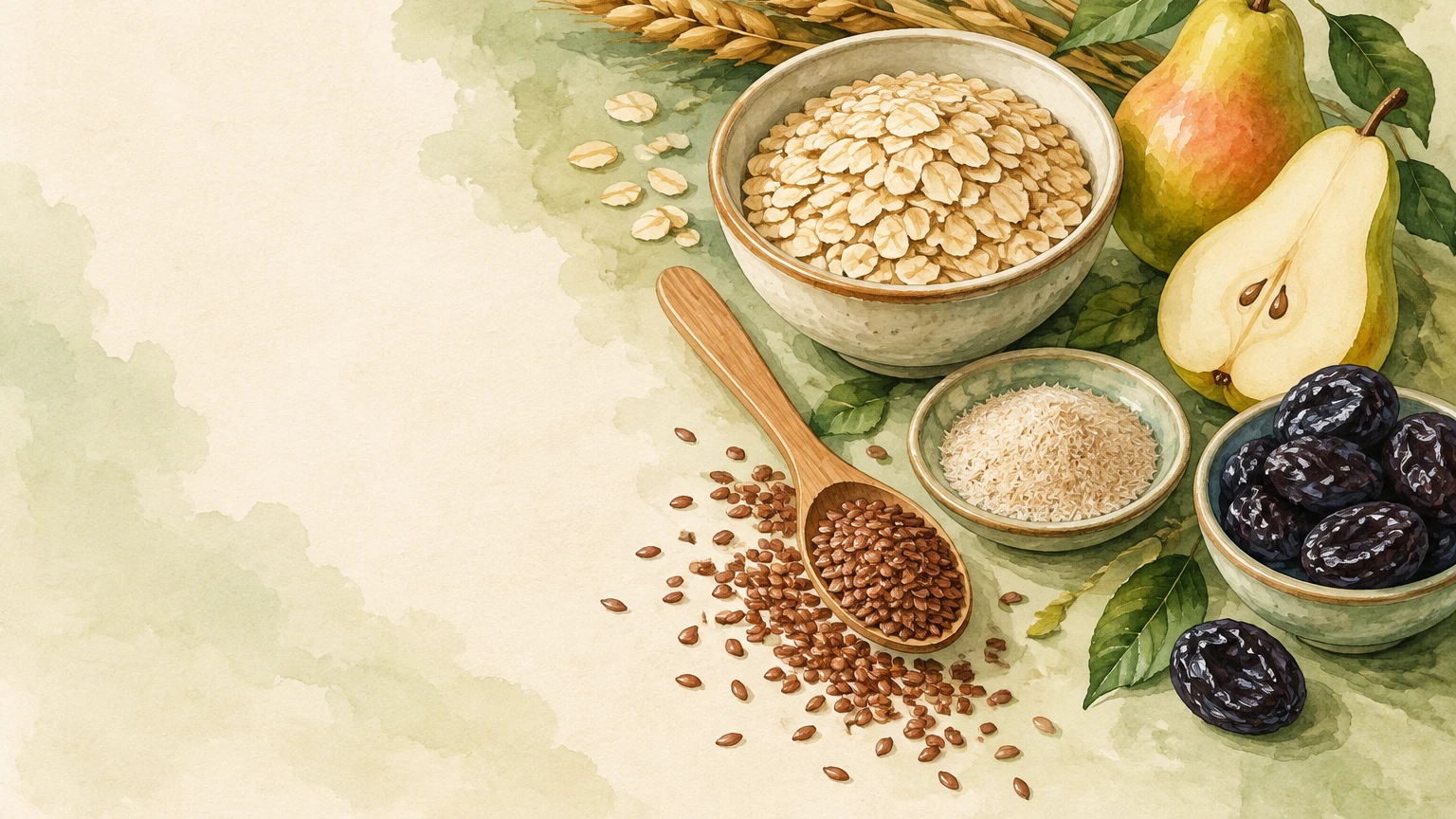
How to increase your fibre intake slowly and practically – with whole grains, fruit and, if you like, psyllium husk.