How-to

Eating more fibre: step by step

How to increase your fibre intake slowly and practically – with whole grains, fruit and, if you like, psyllium husk.

Abstract illustration of grains on an olive-green background

Fibre is an important part of a balanced diet. The European Food Safety Authority (EFSA) considers an intake of 25 g per day adequate for normal laxation in adults [1].

Step by step

  1. Take stock: For a few days, note which fibre-rich foods you already eat.
  2. Change one meal: For example, swap white bread for wholemeal bread or add oats to your breakfast.
  3. Drink enough: Fibre binds water – drink sufficiently throughout the day.
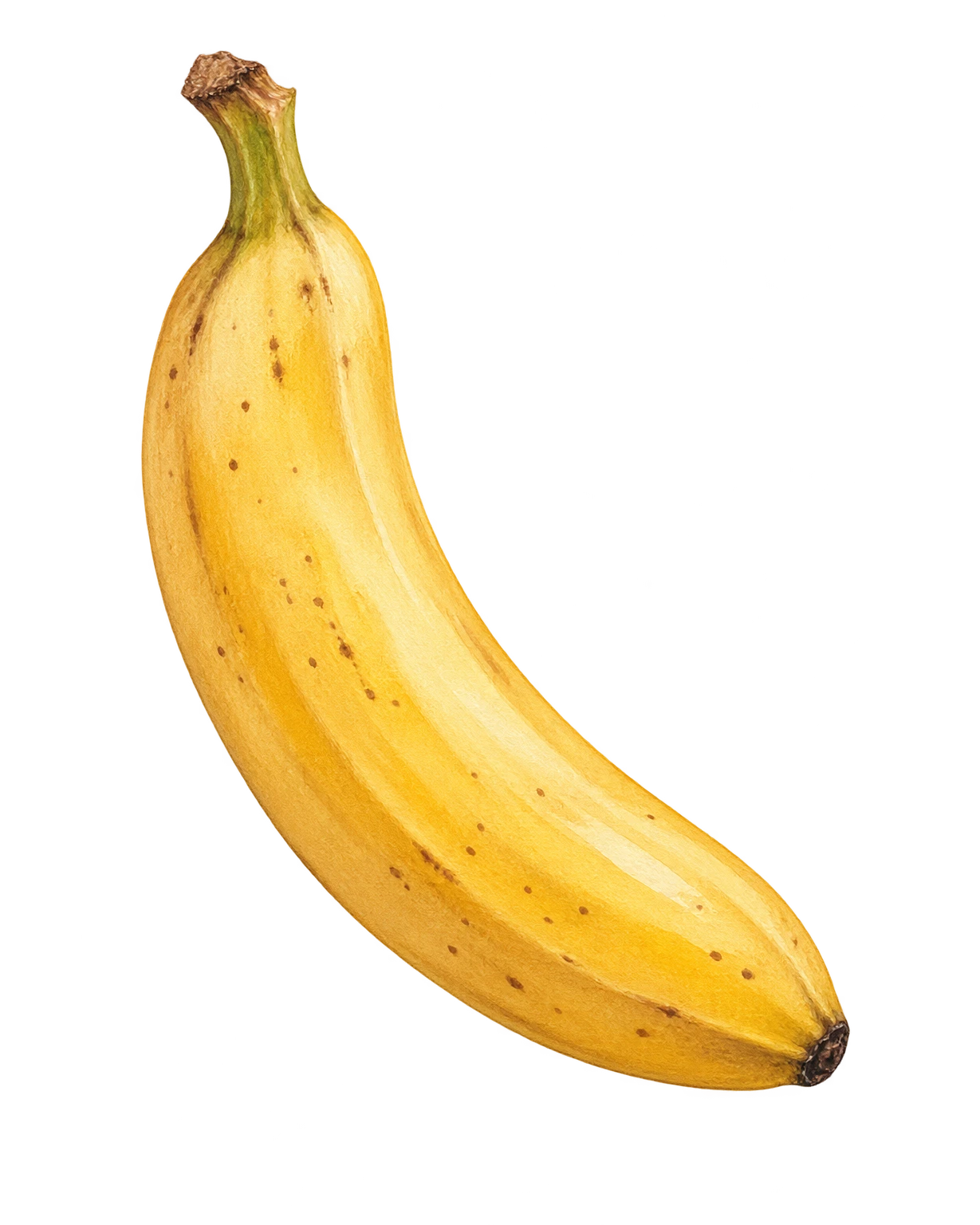
  4. Add fruit and vegetables: A banana provides about 2.6 g of fibre per 100 g.
  5. Keep increasing slowly: Add one more fibre-rich portion each week.
  6. Listen to your body: Mild flatulence at the beginning is common. If symptoms persist, seek medical advice.
Abstract illustration of oats

Psyllium husk as a supplement

If you want targeted support, Psyllium husk can be an option. According to a meta-analysis, it can improve stool frequency and consistency in chronic constipation [2].
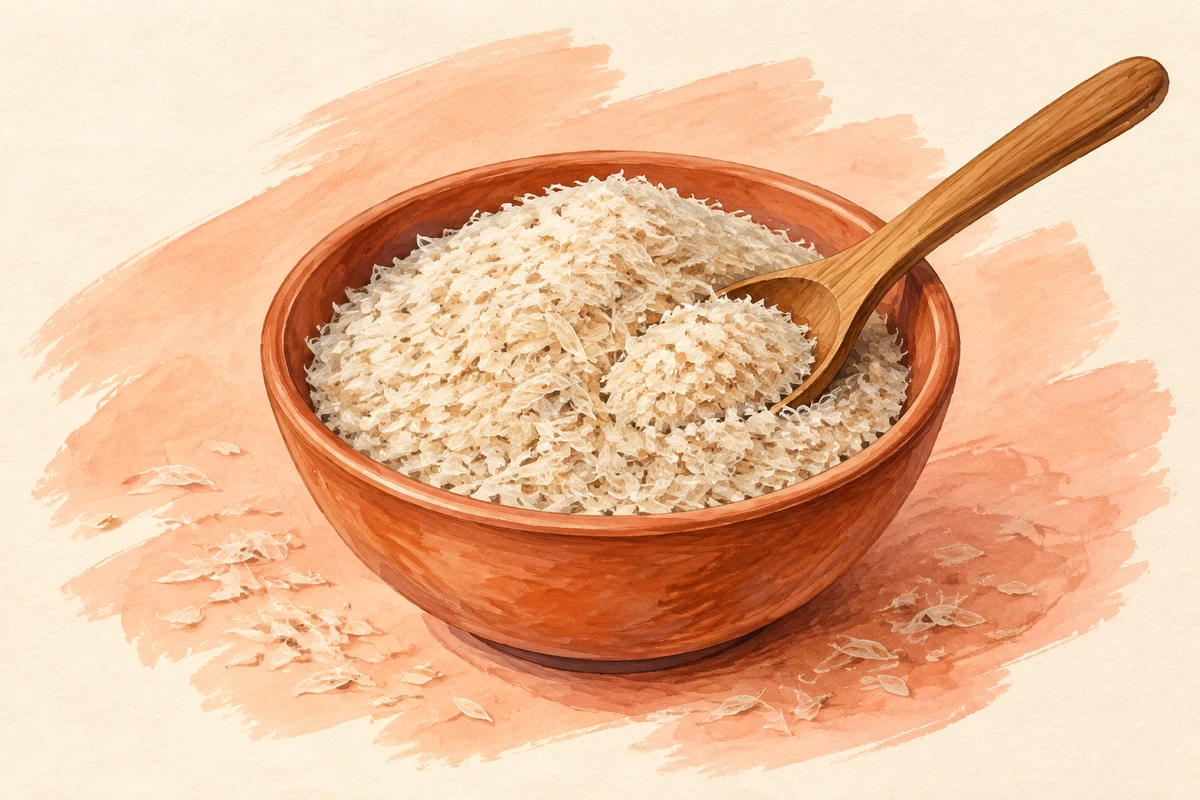
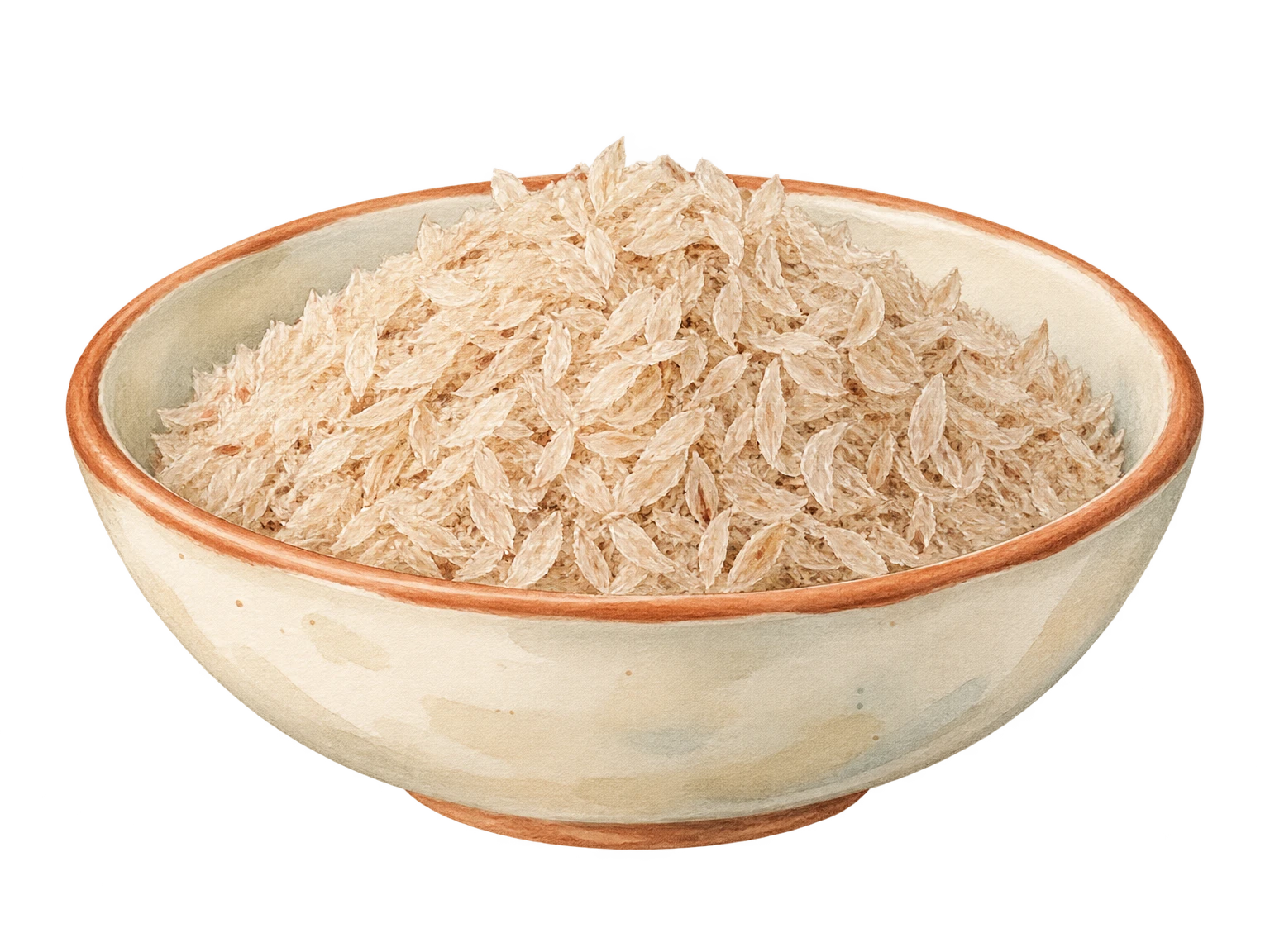
Illustration of a bowl of psyllium husk
Psyllium husk swells strongly in liquid.

Fibre in everyday life

Learn more about how fibre affects Bowel regularity in our knowledge base.
Sources

  1. 01EFSA Journal · 2010Scientific Opinion on Dietary Reference Values for carbohydrates and dietary fibreDOI 10.2903/j.efsa.2010.1462
  2. 02The American Journal of Clinical Nutrition · 2022The Effect of Fiber Supplementation on Chronic Constipation in Adults: An Updated Systematic Review and Meta-Analysis of Randomized Controlled Trialsvan der Schoot A, Drysdale C, Whelan K, Dimidi EDOI 10.1093/ajcn/nqac184PubMed 35816465
  3. 03European Medicines Agency – Committee on Herbal Medicinal Products (HMPC) · 2013Ispaghula husk (Plantago ovata Forssk., seminis tegumentum) – Herbal medicine: summary for the public (EMA/HMPC/313600/2013)Open source
  • Psyllium husk

    Psyllium husk is the outer seed coat of Plantago ovata. It contains soluble, water-binding dietary fibre and forms a gel when mixed with water.

  • Banana

    A banana is the edible fruit of a plant in the genus Musa. It belongs to the fruit food group and is usually eaten fresh.