Fish
Tuna
Tuna is a firm-fleshed sea fish eaten fresh, frozen or canned. It is particularly known for its protein content; its fat content varies with the species and preparation.
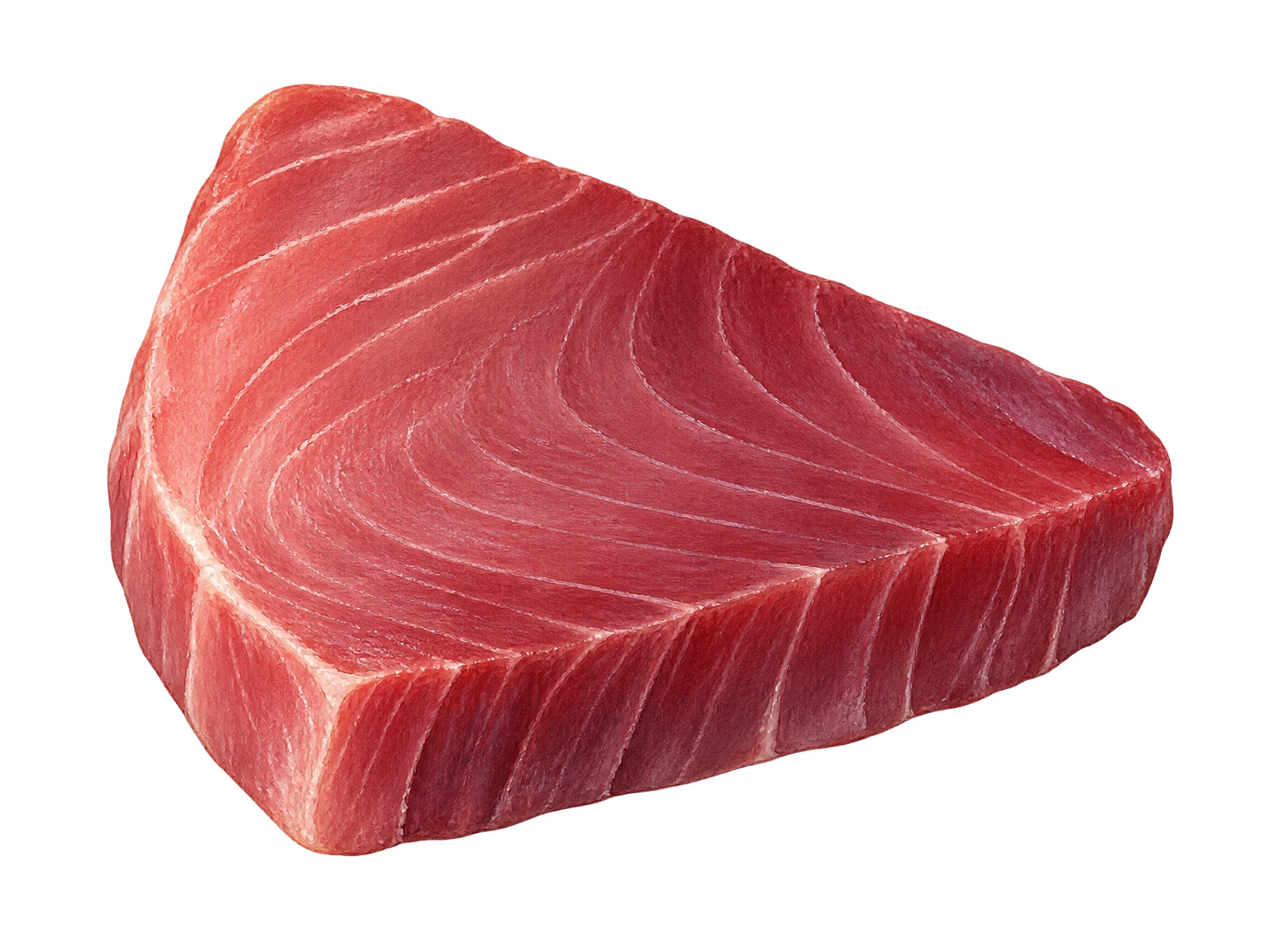
Tuna is the common name for several fish species, including yellowfin, Atlantic bluefin and skipjack. Fresh tuna can be pan-fried or grilled, while canned tuna is often used in salads, sandwiches and pasta dishes. Alongside protein, it contains omega-3 fatty acids, with the amount varying by species and product. Whether the fish is packed in oil, brine or water also affects its composition. The nutrient amounts in the table are listed per 100 g.
Tuna: types and uses
Tuna is a firm-fleshed sea fish. The name covers several species, including yellowfin tuna, Atlantic bluefin tuna and skipjack. It is available fresh, frozen or canned, in water or brine, and in oil.
Nutrients and preparation
Tuna contains protein and omega-3 fatty acids. Its fat content varies with the species and preparation, and the liquid in a can also affects its composition. Fresh tuna can be fried or grilled. Canned tuna is often used in salads, sandwiches and pasta dishes. The nutrient amounts are given per 100 g.
Nutrients
- Protein24 gper 100 g[9]
- Omega-3 fatty acids2.08 gper 100 g[9]
- Dietary fibre0 gper 100 g[9]
- Calcium17.7 mgper 100 g[9]
- Iron1.77 mgper 100 g[9]
- Magnesium34.9 mgper 100 g[9]
- Phosphorus229 mgper 100 g[9]
- Potassium429 mgper 100 g[9]
- Zinc0.55 mgper 100 g[9]
- Copper0.13 mgper 100 g[9]
- Iodine26.9 µgper 100 g[9]
- Selenium97.1 µgper 100 g[9]
- Vitamin A265 µgper 100 g[9]
- Vitamin E1.2 mgper 100 g[9]
- Vitamin D7.8 µgper 100 g[9]
- Vitamin C1.37 mgper 100 g[9]
- Vitamin B60.54 mgper 100 g[9]
- Vitamin B123.79 µgper 100 g[9]
- Folate13.6 µgper 100 g[9]
Safety information
Caution
Consider mercury exposure with frequent consumption
Tuna can contribute to methylmercury exposure, which can harm the nervous system at high long-term exposure levels. If you eat tuna frequently, vary your choices with lower-mercury fish. Mercury levels depend partly on the tuna species. [1]
Caution
Extra care during pregnancy, breastfeeding and childhood
If you are pregnant, planning pregnancy or breastfeeding, choose lower-mercury fish and follow your country's advice; this also applies when choosing fish for children. US guidance places canned light tuna, including skipjack, in a lower-mercury category than albacore and yellowfin, and advises these groups to avoid bigeye tuna. Canned tuna is therefore not automatically low in mercury. [2][3]
Side effect
Histamine poisoning from inadequate chilling
Histamine can build up in tuna that is not kept adequately chilled. Maintain the cold chain: heating or freezing cannot reliably remove histamine once it has formed. Flushing, headache, palpitations or vomiting can develop soon after eating. Seek emergency medical help for breathing difficulties or faintness. [4]
Contraindication
Avoid tuna if you are allergic to it
Avoid tuna if you have a confirmed tuna allergy. If you are allergic to another fish, seek specialist advice before assuming tuna is safe for you. Fish allergy can cause severe reactions, and cooking does not reliably prevent them. [5]
Caution
Raw tuna is not suitable for everyone
Raw or undercooked tuna can carry harmful microorganisms or parasites. Pregnant people, children, older adults and people with weakened immune systems should avoid it, including in sashimi or sushi. Freezing can kill parasites but does not remove all harmful germs; thorough cooking is the safer choice. [6]
Interaction
Follow tyramine precautions with certain medicines
If you take tranylcypromine or linezolid, follow the medicine's dietary precautions about tyramine: spoiled or improperly stored fish can be problematic and may trigger a dangerous rise in blood pressure. This is not a blanket ban on fresh tuna and does not apply equally to all MAO inhibitors. Ask your prescriber or pharmacist about the rules for your medicine. [7][8]
Frequently asked questions
Is tuna high in protein?
Yes. Tuna contains 24 g of protein per 100 g.
Does tuna contain omega-3?
Yes. The nutrient profile lists 2.08 g of omega-3 per 100 g.
What forms of tuna can you eat?
Tuna is available fresh, frozen, and canned in water, brine or oil.
Is tuna’s fat content always the same?
No. Fat content varies with the tuna species and how it is prepared.
Does tuna contain dietary fibre?
The nutrient profile lists 0 g of dietary fibre per 100 g.
More entries
Salmon
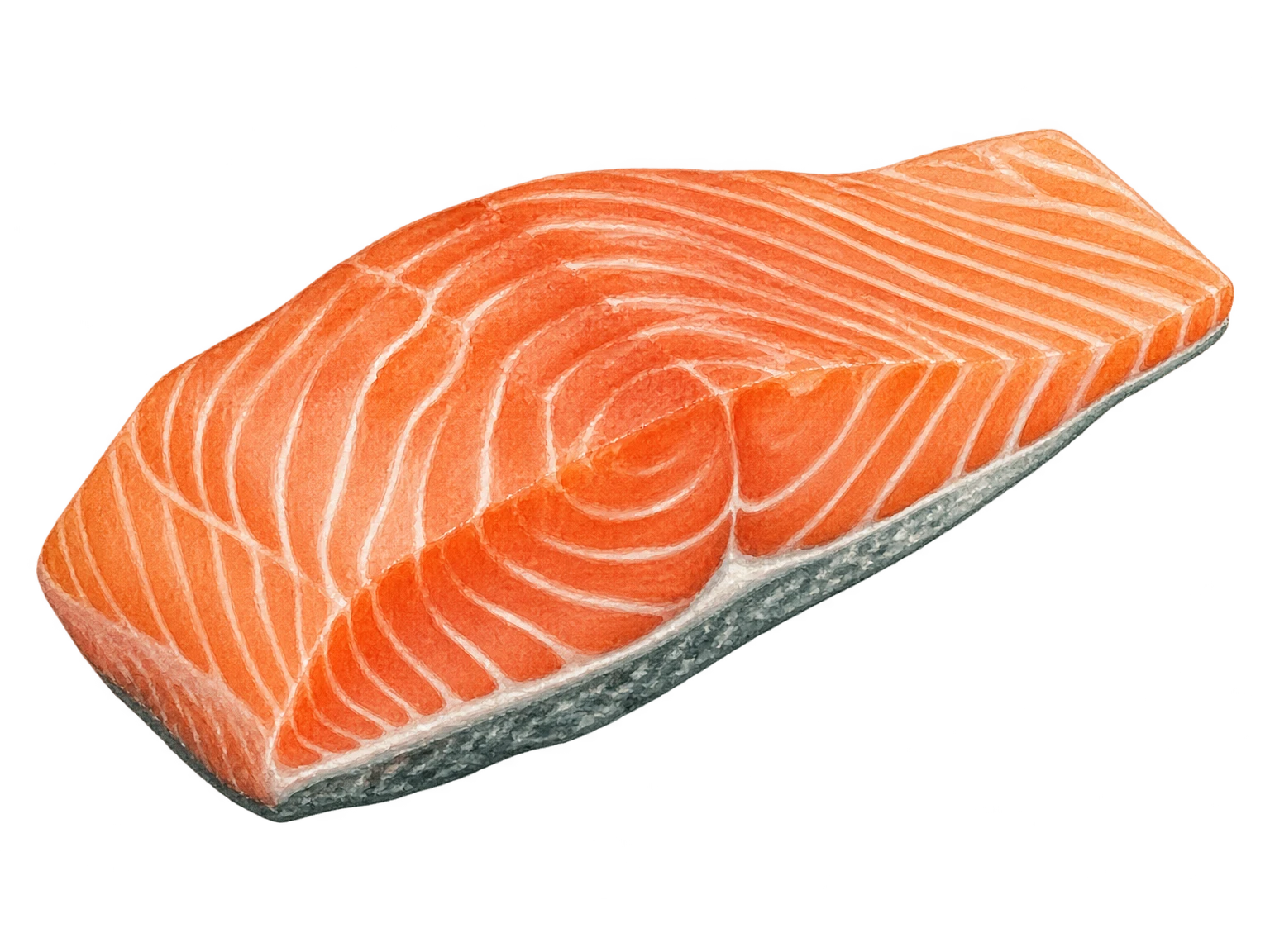
Salmon is an oily fish with flesh that is usually pink to orange. Known for its protein and omega-3 fatty acids, it is commonly eaten baked, grilled or smoked.
Sources
- 01European Food Safety Authority · 2012Mercury in food – EFSA updates advice on risks for public healthOpen source
- 02US Food and Drug Administration / US Environmental Protection AgencyQuestions & Answers from the FDA/EPA Advice about Eating Fish for Those Who Might Become or Are Pregnant or Breastfeeding and Children Ages 1 to 11 YearsOpen source
- 03Bundesinstitut für RisikobewertungSchwangereOpen source
- 04US Food and Drug AdministrationHow to Report Seafood-Related Toxin and Scombrotoxin Fish Poisoning IllnessesOpen source
- 05National Health ServiceFish and shellfishOpen source
- 06US Food and Drug AdministrationSelecting and Serving Fresh and Frozen Seafood SafelyOpen source
- 07US National Library of MedicineDailyMed - TRANYLCYPROMINE tabletOpen source
- 08US National Library of MedicineLinezolid: MedlinePlus Drug InformationOpen source
- 09ANSES – French Agency for Food, Environmental and Occupational Health & Safety – Ciqual French food composition table · 2025Tuna, raw (CIQUAL 26053)Open source