Legumes
Tofu
Tofu is made from soya milk and is best known as a plant-based protein food. Depending on the variety, it can be firm and sliceable or soft and creamy.
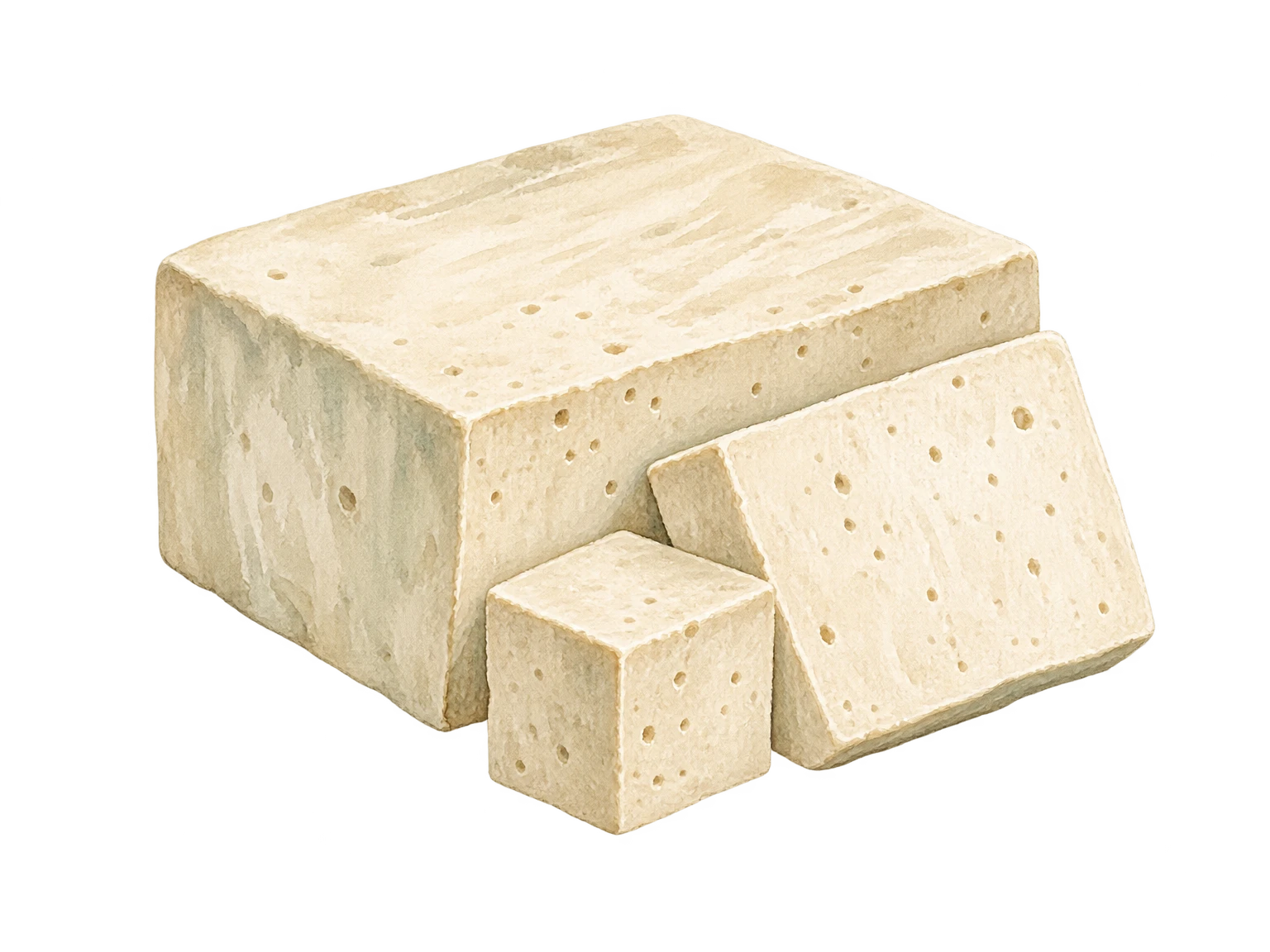
Tofu is made by coagulating soya milk. Firm varieties are then drained and pressed, while silken tofu retains a particularly soft texture. Its mild flavour suits many dishes: you can fry or bake firm tofu, add it to soups, or use silken tofu in sauces, creamy dishes and desserts. Its nutrient composition varies with the variety and the coagulant used. The composition table lists nutrient amounts per 100 g, with source references.
What is tofu?
Tofu is made by coagulating soya milk. Firm varieties are then drained and pressed, while silken tofu remains particularly soft and creamy.
A versatile ingredient
Its mild flavour works well in many dishes. You can fry or bake firm tofu, or add it to soups. Silken tofu is suitable for sauces, creams and desserts. Nutrient composition can vary depending on the variety and the coagulant used.
Nutrients
- Protein13.4 gper 100 g[6]
- Omega-3 fatty acids0.55 gper 100 g[6]
- Calcium100 mgper 100 g[6]
- Iron2.4 mgper 100 g[6]
- Magnesium100 mgper 100 g[6]
- Phosphorus210 mgper 100 g[6]
- Potassium140 mgper 100 g[6]
- Zinc1.3 mgper 100 g[6]
- Copper0.24 mgper 100 g[6]
- Vitamin A0.21 µgper 100 g[6]
- Vitamin E0.71 mgper 100 g[6]
- Vitamin B60.028 mgper 100 g[6]
- Vitamin B120 µgper 100 g[6]
- Vitamin K12.7 µgper 100 g[6]
- Folate25.1 µgper 100 g[6]
Safety information
Contraindication
Avoid if you have a soy allergy
Avoid tofu if you have a confirmed soy allergy. People with birch-pollen allergy can also have cross-reactions to soy, sometimes severe. Birch-pollen allergy alone does not mean that everyone affected must avoid tofu. [1]
Interaction
Interaction with levothyroxine
Soy-containing foods such as tofu can reduce levothyroxine absorption. Follow your prescribed instructions for taking the medicine and tell your prescriber if your soy intake changes substantially. Do not adjust the dose yourself. [2]
Interaction
Check the tofu product if taking MAOIs
If you take an MAOI that requires tyramine restrictions, tyramine-rich soy products can cause a dangerous rise in blood pressure. Fermented products are particularly relevant; the same risk is not established for every fresh, unfermented tofu product. Follow your medicine's dietary restrictions and ask your pharmacist about the specific product. [3]
Interaction
Avoid large amounts while taking linezolid
If you take linezolid, follow your treatment team's dietary advice. NHS patient guidance recommends avoiding large amounts of soy products, including tofu, because of possible tyramine-related interactions. [4]
Caution
Caution with iodine deficiency or thyroid disease
If you have iodine deficiency or an existing thyroid disorder, discuss regularly high soy intake with your clinician. This is not a blanket reason to avoid tofu; the implications for usual tofu portions remain unclear. [1]
Caution
Soy foods in sensitive life stages
ANSES takes a particularly cautious approach to long-term high isoflavone exposure in women of childbearing age, pregnant women and children before puberty. If tofu is a frequent part of your diet, include other protein sources too. The assessment does not establish that an occasional tofu meal is harmful or set a maximum amount of tofu. [5]
Frequently asked questions
What is tofu made from?
Tofu is made from soya milk.
What types of tofu are there?
Common varieties include firm tofu and silken tofu. Firm tofu is sliceable, while silken tofu is soft and creamy.
How much protein does tofu contain?
Tofu contains 13.4 g of protein per 100 g.
Is tofu suitable for someone with a soya allergy?
No. Tofu is made from soya and therefore contains soya.
More entries
Chickpeas
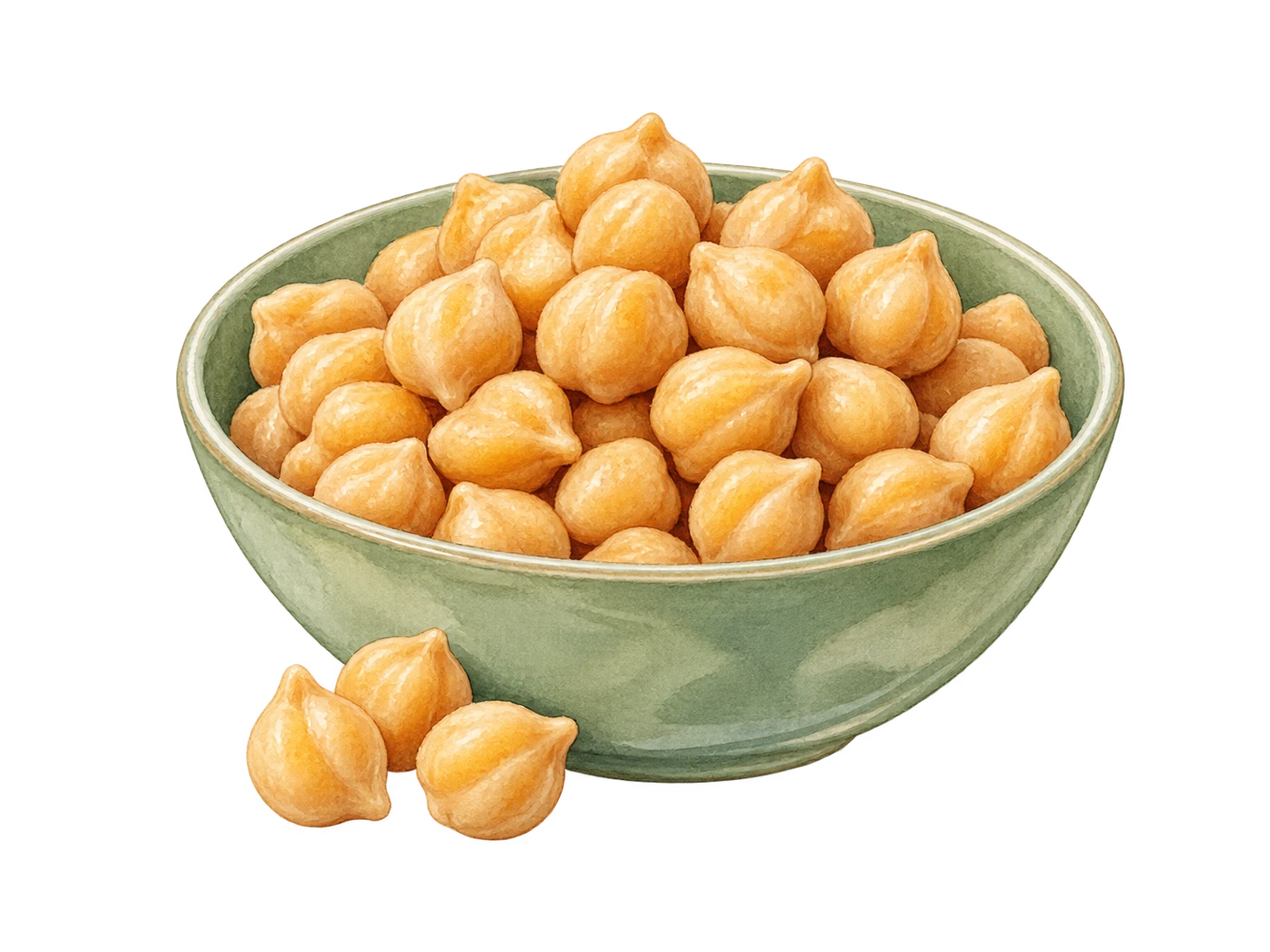
Chickpeas are pulses with a mild, nutty flavour. Known for their plant protein and fibre, they are a versatile ingredient in everyday cooking.
Lentils
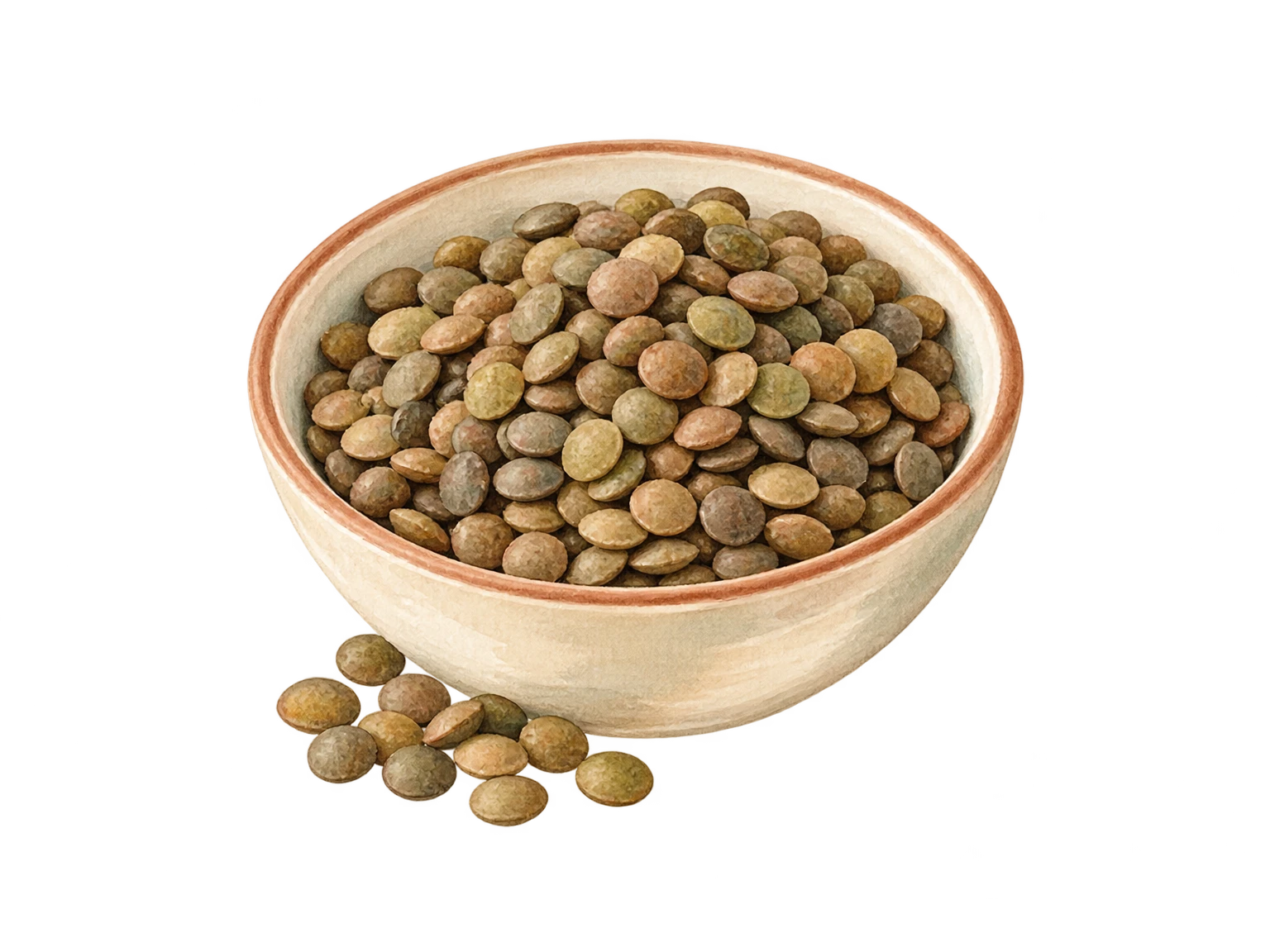
Lentils are small, lens-shaped seeds belonging to the pulse family. They are eaten cooked and are particularly known for their plant protein and fibre.
Sources
- 01German Federal Institute for Risk Assessment (BfR)Foods and food supplements containing soy: health aspectsOpen source
- 02DailyMed, US National Library of MedicineLEVOTHYROXINE SODIUM tabletOpen source
- 03Torbay and South Devon NHS Foundation TrustFoods to avoid when taking Monoamine Oxidase Inhibitors (MAOIs)Open source
- 04Calderdale and Huddersfield NHS Foundation TrustLinezolid — dietary guidanceOpen source
- 05French Agency for Food, Environmental and Occupational Health & Safety (ANSES) · 2025Opinion on the development of long-term oral TRVs for isoflavonesOpen source
- 06ANSES – French Agency for Food, Environmental and Occupational Health & Safety – Ciqual French food composition table · 2025Tofu, plain, prepacked (CIQUAL 20904)Open source