Legumes
Chickpeas
Chickpeas are pulses with a mild, nutty flavour. Known for their plant protein and fibre, they are a versatile ingredient in everyday cooking.
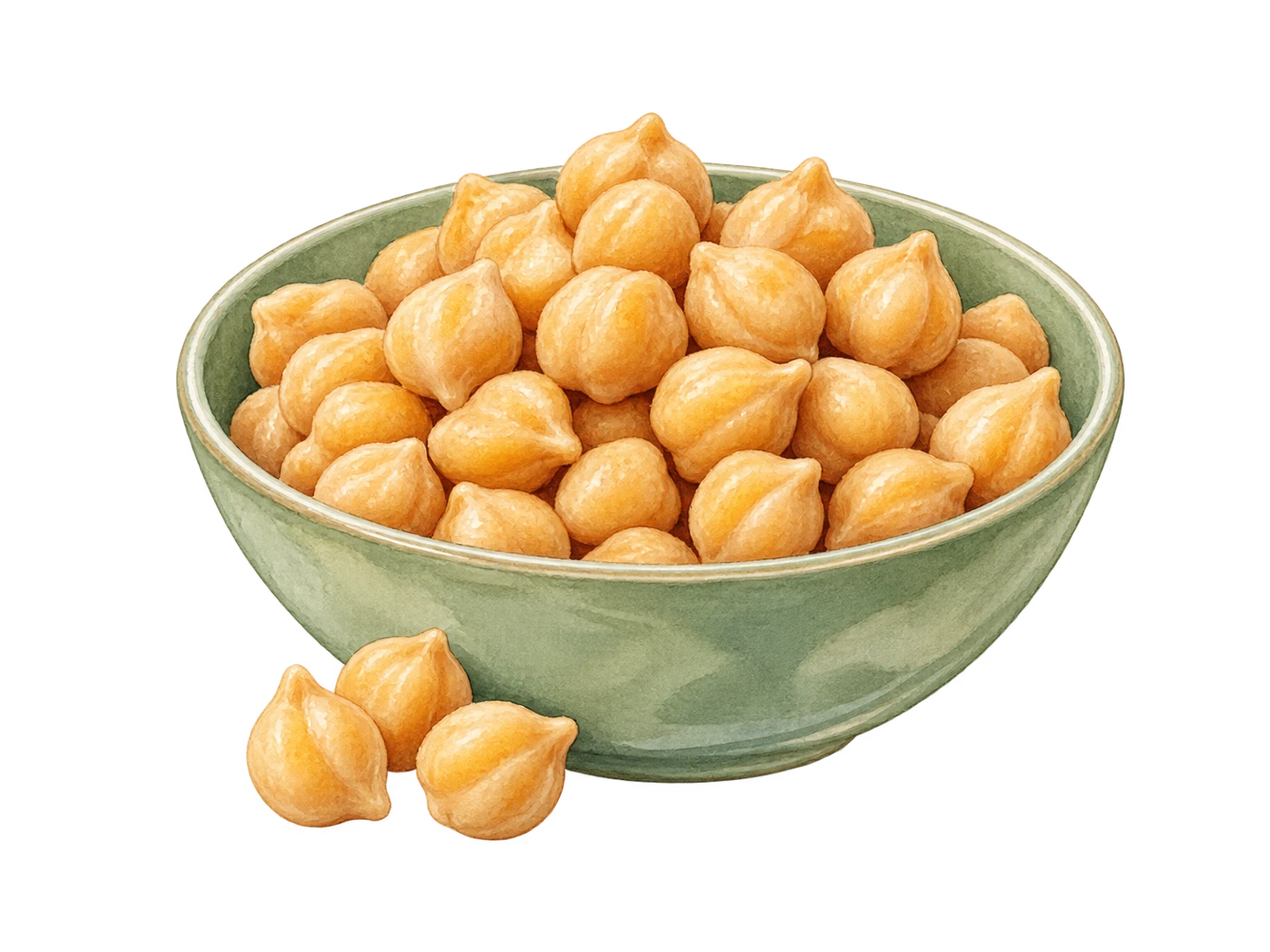
Chickpeas are the edible seeds of the plant Cicer arietinum. They are available dried, cooked in tins or jars, and as chickpea flour. Cooked chickpeas work well in salads, soups, stews and curries; blended chickpeas form the base of hummus. Dried chickpeas are usually soaked before cooking and then cooked thoroughly. Ready-cooked chickpeas can be used straight away. The composition table lists nutrient amounts per 100 g alongside their source. Check whether the values refer to dried or cooked chickpeas.
What are chickpeas?
Chickpeas are the edible seeds of the plant Cicer arietinum. They are pulses with a mild, nutty flavour and are known for their plant protein and fibre.
Using chickpeas in cooking
You can buy chickpeas dried, ready-cooked in a tin or jar, or as chickpea flour. Cooked chickpeas work well in salads, soups, stews and curries. When puréed, they form the basis of hummus. Dried chickpeas are usually soaked before cooking and then cooked thoroughly; ready-cooked chickpeas can be used straight away.
The composition table gives nutrient amounts per 100 g. Check whether the figures refer to dried or cooked chickpeas.
Nutrients
- Protein20.5 gper 100 g[8]
- Omega-3 fatty acids0.1 gper 100 g[8]
- Dietary fibre12.2 gper 100 g[8]
- Calcium57 mgper 100 g[8]
- Iron4.31 mgper 100 g[8]
- Magnesium79 mgper 100 g[8]
- Phosphorus252 mgper 100 g[8]
- Potassium718 mgper 100 g[8]
- Zinc2.76 mgper 100 g[8]
- Copper0.66 mgper 100 g[8]
- Iodine0.6 µgper 100 g[8]
- Selenium2 µgper 100 g[8]
- Vitamin A3.33 µgper 100 g[8]
- Vitamin E3.1 mgper 100 g[8]
- Vitamin D0 µgper 100 g[8]
- Vitamin C4 mgper 100 g[8]
- Vitamin B60.54 mgper 100 g[8]
- Vitamin B120 µgper 100 g[8]
- Vitamin K9 µgper 100 g[8]
- Folate557 µgper 100 g[8]
Safety information
Side effect
Wind and abdominal discomfort
Chickpeas may cause wind, abdominal discomfort or changes in bowel habits. If you are sensitive to them, start with small portions and increase the amount gradually. [1]
Contraindication
Avoid chickpeas if you have a confirmed allergy
If you have a confirmed chickpea allergy, avoid chickpeas and chickpea-derived ingredients according to your allergy care plan. Reactions can be severe. An allergy to another legume does not automatically mean you must avoid chickpeas; seek an individual assessment. [4]
Interaction
Keep intake consistent when taking warfarin
If you take warfarin, you do not need to avoid chickpeas. Keep your intake reasonably consistent and discuss major dietary changes with your anticoagulation team. Vitamin-K-related restrictions do not usually apply to apixaban, dabigatran, edoxaban or rivaroxaban. [5]
Caution
Consider portion size if you have IBS
If you have IBS or sensitivity to fermentable carbohydrates, chickpeas may trigger symptoms. Tolerance depends on portion size and preparation; small portions of canned chickpeas can fit into a low-FODMAP diet. Permanent complete avoidance is not generally necessary. [6]
Caution
Seek tailored advice if you have a prescribed potassium restriction
If you have been advised to restrict potassium because of kidney disease, discuss chickpea portions and preparation with your renal dietitian. Boiled dried chickpeas and canned chickpeas may be treated differently in dietary guidance. Kidney disease alone is not a reason to avoid chickpeas altogether. [7]
Frequently asked questions
How much protein and fibre do chickpeas contain?
The listed values give chickpeas 20.5 g of protein and 12.2 g of fibre per 100 g.
Can chickpeas cause bloating or stomach discomfort?
Yes. Chickpeas can cause bloating and stomach discomfort.
Do dried chickpeas need to be cooked thoroughly?
Yes. Dried chickpeas should be cooked thoroughly.
Should I eat chickpeas if I have a confirmed allergy to them?
If you have a confirmed chickpea allergy, avoid chickpeas.
More entries
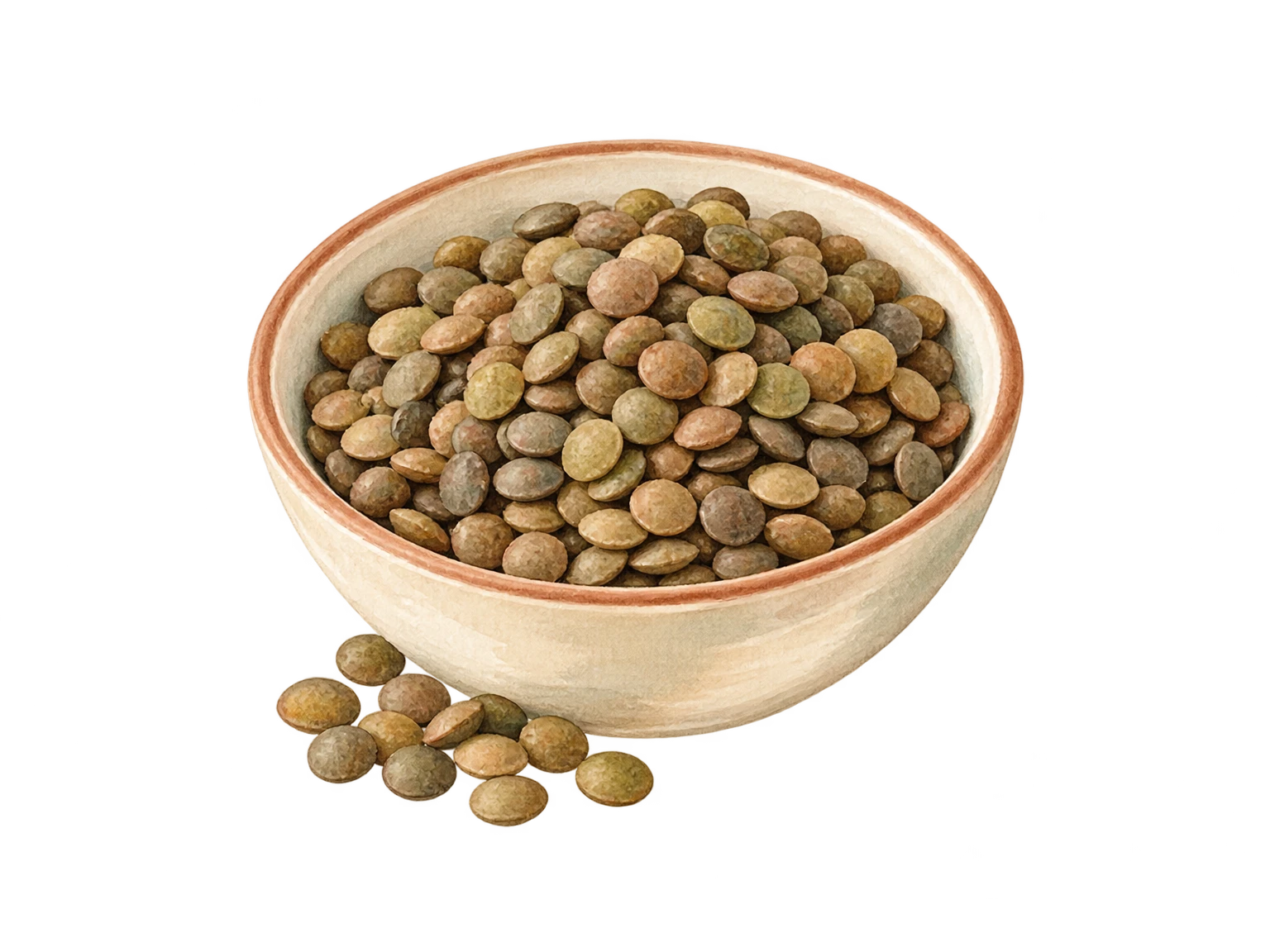
Lentils
Lentils are small, lens-shaped seeds belonging to the pulse family. They are eaten cooked and are particularly known for their plant protein and fibre.
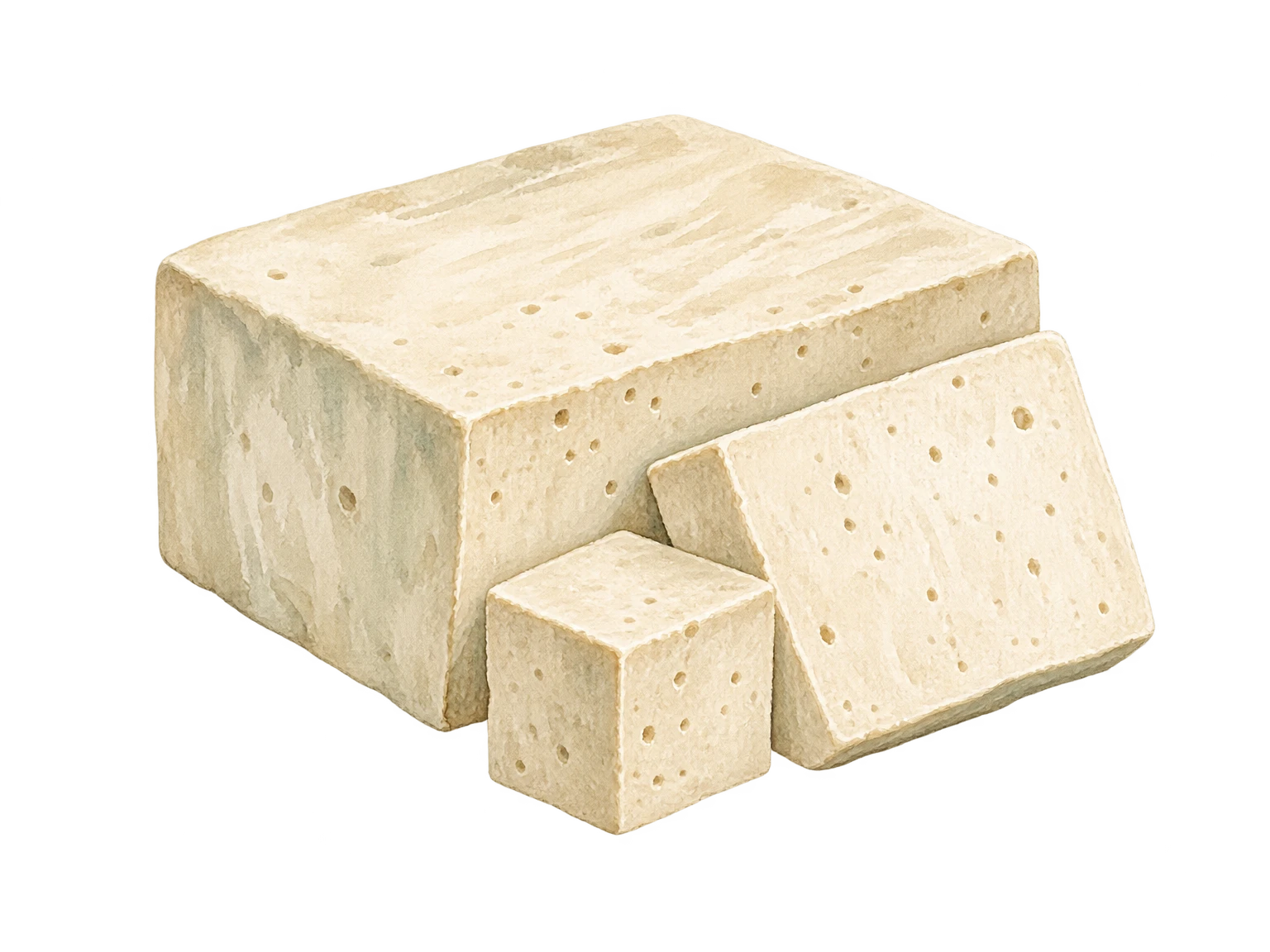
Tofu
Tofu is made from soya milk and is best known as a plant-based protein food. Depending on the variety, it can be firm and sliceable or soft and creamy.
Sources
- 01The Effects of Legume Consumption on Markers of Glycaemic Control in Individuals with and without Diabetes Mellitus: A Systematic Literature Review of Randomised Controlled TrialsOpen source
- 02Bundesinstitut für RisikobewertungKrank durch Lektine in Pflanzenkost?Open source
- 03European Food Safety AuthorityLectins in food: undercooked beans pose health risk, says EFSAOpen source
- 04Current Allergy and Asthma Reports · 2024Legume Allergens Pea, Chickpea, Lentil, Lupine and BeyondOpen source
- 05NHSAnticoagulant medicines - ConsiderationsOpen source
- 06Cambridge University Hospitals NHS Foundation TrustLow FODMAP diet: Reducing fermentable carbohydrates in your dietOpen source
- 07Northern Care Alliance NHS Foundation TrustDietetics - Controlling Your Potassium Intake: Step 2Open source
- 08ANSES – French Agency for Food, Environmental and Occupational Health & Safety – Ciqual French food composition table · 2025Chick pea, dried (CIQUAL 20516)Open source