Fish
Herring
Herring is an oily sea fish eaten cooked, pickled, salted or smoked.
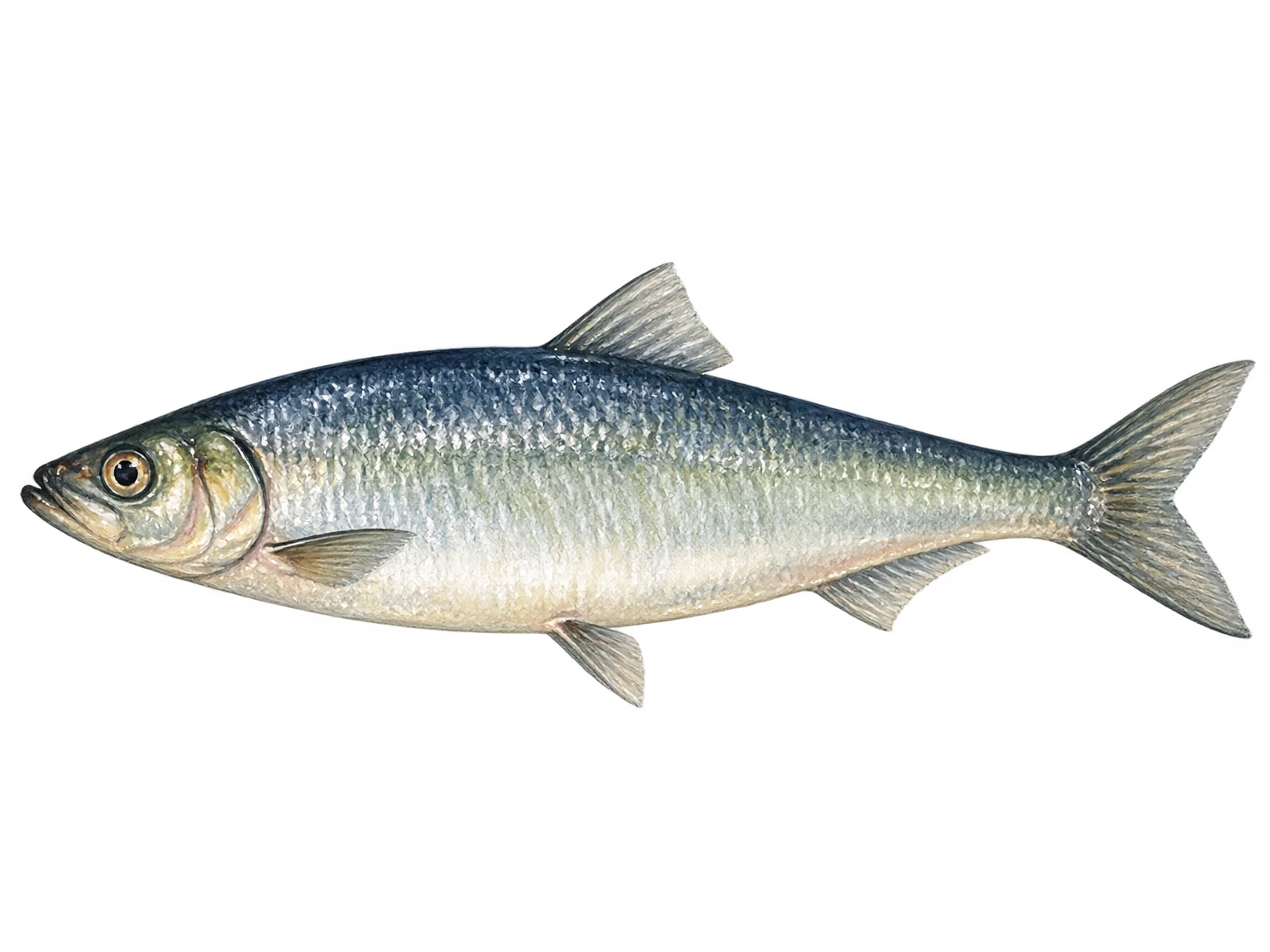
Here, herring refers to Atlantic herring (Clupea harengus). It has a distinctive, rich flavour and is enjoyed fresh and cooked, pickled, smoked as kippers, or canned. Nutritionally, it is particularly known for its protein and long-chain omega-3 fatty acids. Nutrient amounts are listed per 100 g with their source; preparation can change the composition, especially the salt and fat content.
Here, herring means Atlantic herring (Clupea harengus). This sea fish has a strong flavour and is sold in preparations such as soused herring, Bismarck herring and smoked herring.
Nutrients in herring
Herring provides protein and long-chain omega-3 fatty acids. It also contains vitamins B12 and D. Per 100 g, it contains 17.7 g of protein and 1.9 g of omega-3 fatty acids.
You can eat herring cooked, pickled, salted, smoked or canned. Nutrient amounts can vary with preparation, particularly the salt and fat content.
Nutrients
- Protein17.7 gper 100 g[9]
- Omega-3 fatty acids1.9 gper 100 g[9]
- Dietary fibre0 gper 100 g[9]
- Calcium61.6 mgper 100 g[9]
- Iron1.21 mgper 100 g[9]
- Magnesium27 mgper 100 g[9]
- Phosphorus235 mgper 100 g[9]
- Potassium342 mgper 100 g[9]
- Zinc0.79 mgper 100 g[9]
- Copper0.15 mgper 100 g[9]
- Iodine54.1 µgper 100 g[9]
- Selenium31.2 µgper 100 g[9]
- Vitamin A38.1 µgper 100 g[9]
- Vitamin E1.21 mgper 100 g[9]
- Vitamin D10.7 µgper 100 g[9]
- Vitamin C0.75 mgper 100 g[9]
- Vitamin B1 (thiamin)0.035 mgper 100 g[9]
- Vitamin B2 (Riboflavin)0.24 mgper 100 g[9]
- Niacin (Vitamin B3)3.95 mgper 100 g[9]
- Vitamin B60.38 mgper 100 g[9]
- Vitamin B1211.5 µgper 100 g[9]
- Vitamin K0.45 µgper 100 g[9]
- Folate9.4 µgper 100 g[9]
Safety information
Contraindication
Avoid herring if you have a confirmed allergy
Avoid herring if you are allergic to it. Fish allergy can cause severe reactions. An allergy specialist should advise whether you also need to avoid other fish. Breathing difficulty, throat swelling or collapse after eating requires emergency help. [1]
Caution
Keep herring properly chilled
Inadequate refrigeration can allow histamine to form in herring. It can cause flushing, headache, palpitations and digestive symptoms, resembling an allergic reaction. Once formed, histamine is not reliably removed by cooking, freezing, smoking or curing. [2]
Caution
Raw and smoked products: caution for vulnerable groups
If you are pregnant, older or have a weakened immune system, BfR recommends eating fish only after thorough heating. Refrigerated raw, smoked or cured herring can contain Listeria. Heat these products to at least 70°C at the centre for two minutes before eating. [3]
Caution
Raw herring needs appropriate parasite control
Raw or inadequately treated herring can transmit parasites. For raw consumption, use products that have undergone appropriate treatment; pickling alone is not a reliable safeguard. Validated heating or freezing treatments must reach every part of the fish. Freezer compartments operating at −6°C or −12°C are unsuitable for this purpose. [4]
Caution
Check origin and size for Baltic herring
Baltic herring can contain elevated levels of environmental contaminants. The Finnish Food Authority advises children below school age and women of reproductive age, including pregnant and breastfeeding women, to eat large Baltic herring measuring over 19 cm before gutting only once every two months. This advice does not apply automatically to herring from other origins; follow local consumption guidance. [5]
Interaction
Avoid pickled herring with tranylcypromine
If you take tranylcypromine, avoid pickled herring during treatment and for two weeks after stopping. Its tyramine content can trigger a dangerous rise in blood pressure. This warning does not apply to every antidepressant or every form of herring; follow your medicine’s dietary instructions. [6]
Caution
Oily-fish guidance applies to certain groups
UK NHS guidance advises girls, women who may become pregnant, and pregnant or breastfeeding women to eat no more than two portions of oily fish in total per week. Herring counts towards this amount; an adult portion is about 140 g cooked fish. This is precautionary advice about pollutants, not a universal maximum intake for herring. [7]
Caution
Check salted products if you need to limit salt
If you need to limit salt, check the salt content and portion size of salted or pickled herring. Frequent consumption of highly salted fish products is not recommended. This concerns the preparation, rather than a need to avoid all herring. [8]
Frequently asked questions
How much omega-3 does herring contain?
Herring contains 1.9 g of omega-3 per 100 g.
How much protein does herring contain?
Herring contains 17.7 g of protein per 100 g.
How can herring be prepared?
Herring can be eaten cooked, pickled, salted, smoked or canned.
More entries
Salmon
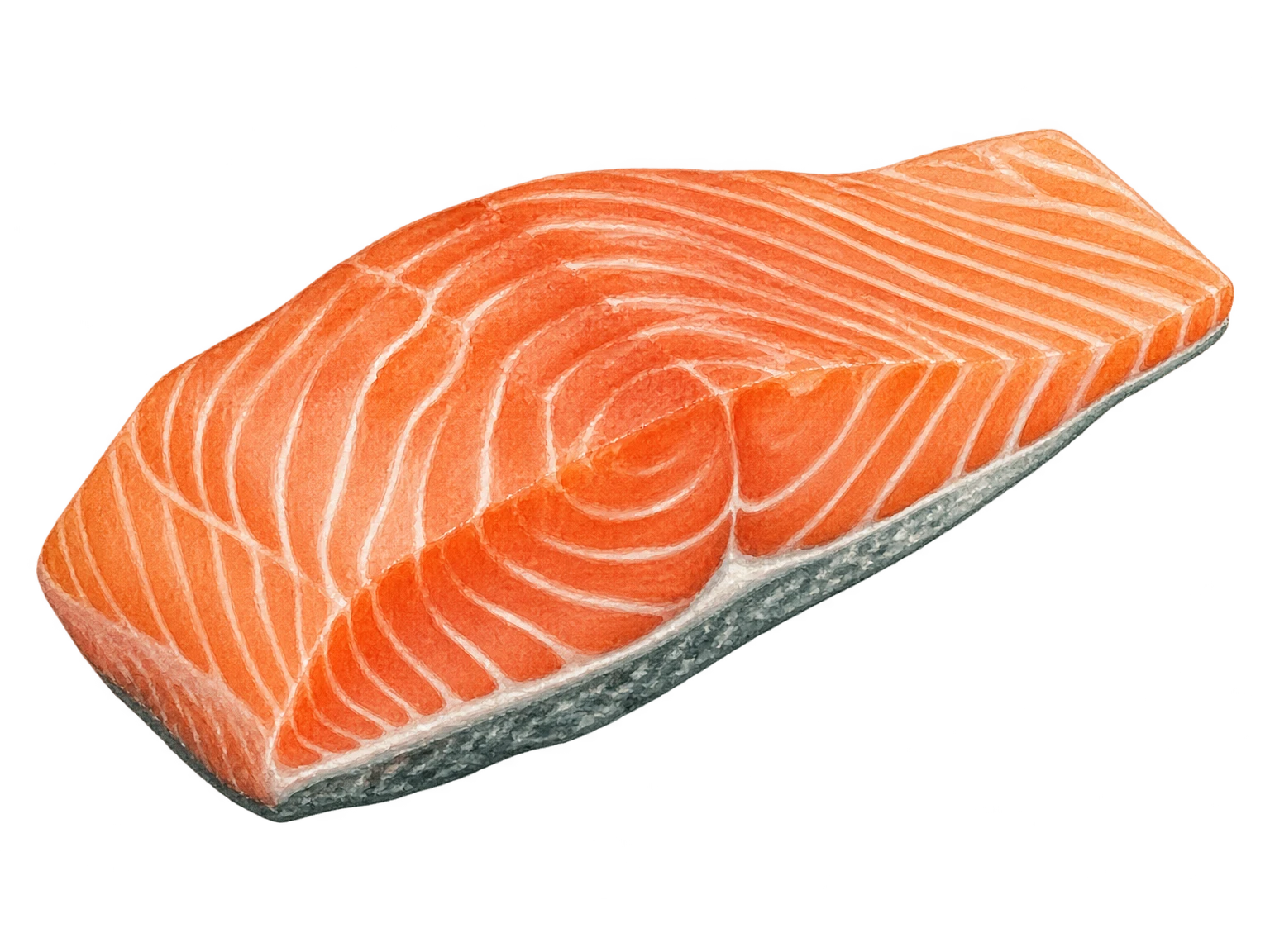
Salmon is an oily fish with flesh that is usually pink to orange. Known for its protein and omega-3 fatty acids, it is commonly eaten baked, grilled or smoked.
Tuna
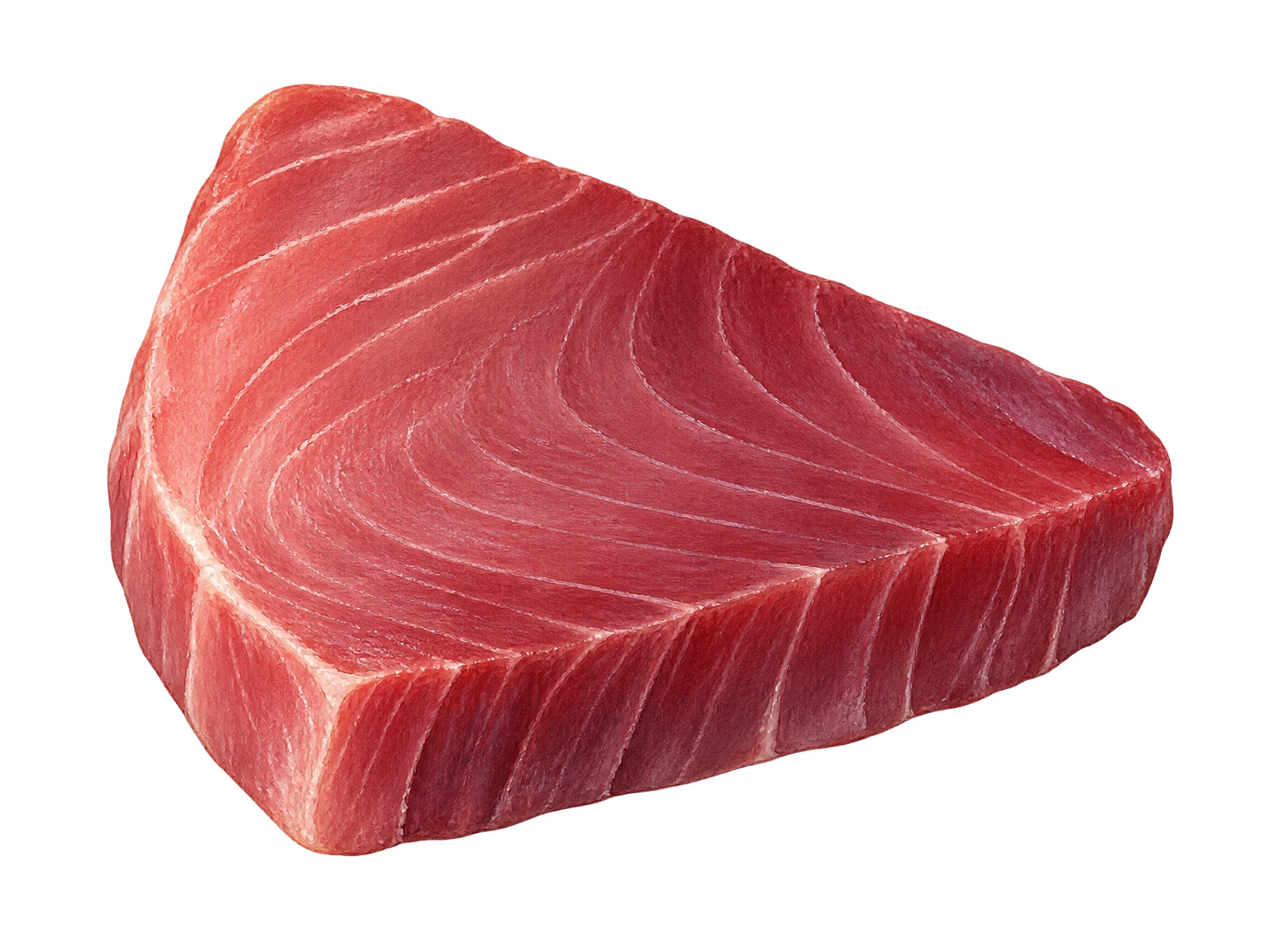
Tuna is a firm-fleshed sea fish eaten fresh, frozen or canned. It is particularly known for its protein content; its fat content varies with the species and preparation.
Sources
- 01European Food Safety AuthorityFood allergensOpen source
- 02U.S. Food and Drug AdministrationImport Alert 16-120Open source
- 03German Federal Institute for Risk Assessment (BfR)Invisible threat: listeria in smoked fishOpen source
- 04EFSA Journal · 2024Re-evaluation of certain aspects of the EFSA Scientific Opinion of April 2010 on risk assessment of parasites in fishery products, based on new scientific data. Part 1: ToRs1–3DOI 10.2903/j.efsa.2024.8719
- 05Finnish Food AuthoritySafe use of fishOpen source
- 06DailyMed, U.S. National Library of MedicinePARNATE (tranylcypromine) tablets: prescribing informationOpen source
- 07National Health ServiceFish and shellfishOpen source
- 08Finnish Food AuthorityFish and fish productsOpen source
- 09ANSES – French Agency for Food, Environmental and Occupational Health & Safety – Ciqual French food composition table · 2025Atlantic herring, raw (CIQUAL 26011)Open source