Vegetables
Tomatoes
Tomatoes are juicy fruits used as vegetables in cooking. You can eat them raw or cooked. Nutritionally, they are known for their high water content and the red carotenoid lycopene.
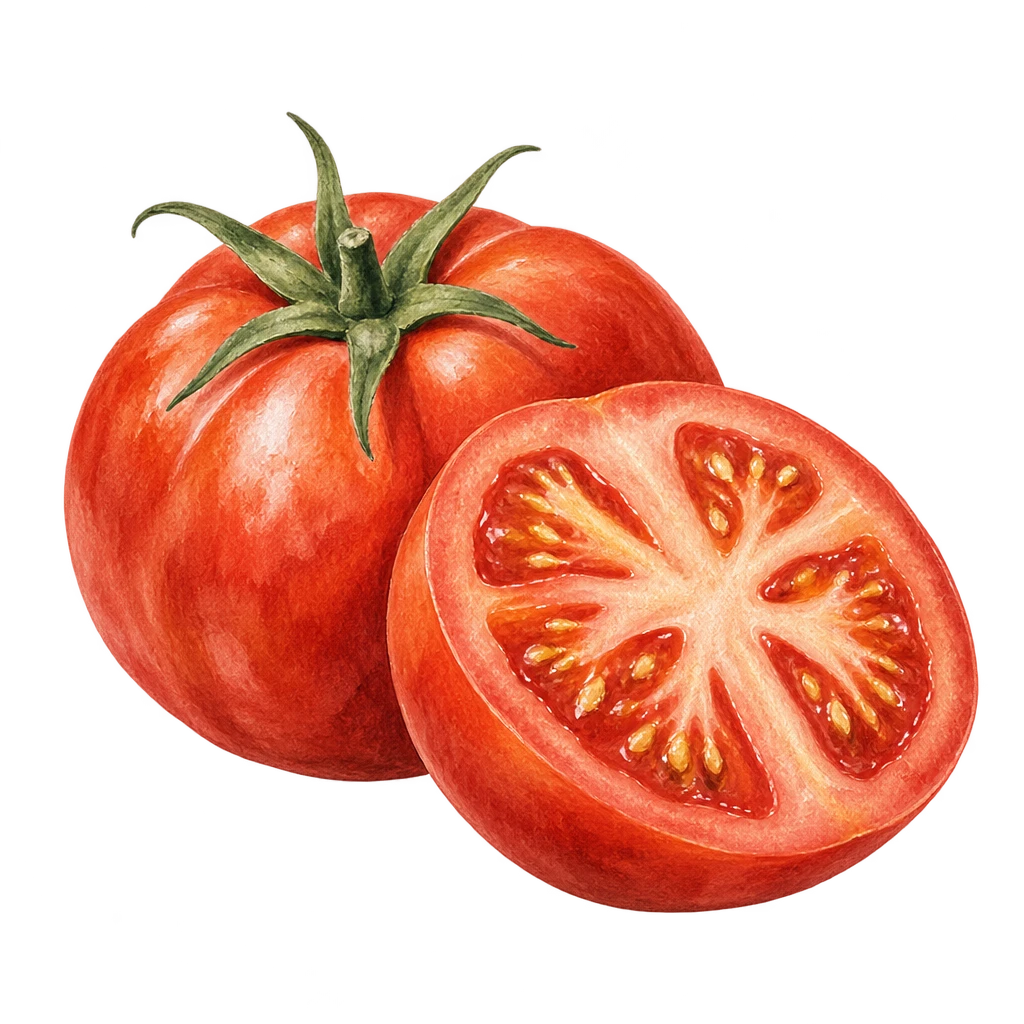
Tomatoes belong to the nightshade family and are botanically berries. Their size, colour and flavour vary by variety, from small, sweet cherry tomatoes to large beefsteak tomatoes. You can enjoy them in salads or on bread, or use them in soups, sauces and roasted dishes. Alongside water, they contain vitamins, minerals and plant pigments such as lycopene. Nutrient amounts in the composition table are listed per 100 g, with a source reference.
A fruit botanically, a vegetable in the kitchen
Tomatoes belong to the nightshade family and are botanically berries. In cooking, they are usually used as vegetables. Depending on the variety, they differ in size, colour and flavour, from small, sweet cherry tomatoes to large beefsteak tomatoes.
Raw or cooked
You can eat tomatoes raw in salads or on bread, or use them cooked in soups, sauces and oven dishes. They contain plenty of water, as well as vitamins, minerals and plant pigments such as the red carotenoid lycopene.
The nutrient amounts are given per 100 g of tomatoes.
Nutrients
- Protein0.6 gper 100 g[9]
- Dietary fibre1.02 gper 100 g[9]
- Calcium6.78 mgper 100 g[9]
- Iron0.19 mgper 100 g[9]
- Magnesium7.49 mgper 100 g[9]
- Phosphorus21.3 mgper 100 g[9]
- Potassium225 mgper 100 g[9]
- Zinc0.092 mgper 100 g[9]
- Copper0.024 mgper 100 g[9]
- Vitamin A72.9 µgper 100 g[9]
- Vitamin E0.52 mgper 100 g[9]
- Vitamin C20.1 mgper 100 g[9]
- Vitamin B60.073 mgper 100 g[9]
- Vitamin K1.34 µgper 100 g[9]
- Folate14 µgper 100 g[9]
Safety information
Contraindication
Tomato allergy and pollen–food syndrome
Raw tomatoes can cause itching or swelling in the mouth, particularly in people with pollen allergy. Avoid forms that cause an allergic reaction. Cooked tomatoes are sometimes better tolerated but are not safe for everyone with tomato allergy. Breathing difficulty or throat swelling requires immediate emergency help. [1]
Caution
Possible heartburn trigger
If you have reflux, tomatoes may worsen your symptoms. Reduce them if they are a personal trigger; everyone with reflux does not need to avoid them. [2]
Caution
Individualise portions when potassium excretion is impaired
Tomatoes contribute to potassium intake. If you have chronic kidney disease or high blood potassium and your healthcare team recommends limiting potassium, adjust your portions accordingly. Kidney disease alone does not mean you must avoid tomatoes. [3][4]
Caution
Quarter small tomatoes for babies and young children
Whole cherry tomatoes can block the airway in babies and young children. Cut them lengthways into quarters and supervise eating. [5]
Caution
Wash tomatoes and refrigerate them once cut
Wash tomatoes under running water before eating or preparing them, without soap or bleach. Keep them separate from raw meat and refrigerate cut tomatoes promptly. These precautions are especially important during pregnancy and for older people or those with weakened immune systems. [6][7]
Caution
Take care with unripe tomatoes
Unripe tomatoes generally contain more glycoalkaloids than ripe fruit. Prefer ripe tomatoes as a precaution: a reliably safe amount of unripe fruit has not been established. This does not mean every green tomato is proven poisonous; some ripe varieties are also green. [8]
Frequently asked questions
Are tomatoes fruit or vegetables?
Botanically, tomatoes are fruits; in cooking, they are used as vegetables.
Can you eat tomatoes raw and cooked?
Yes. Tomatoes can be enjoyed raw or cooked.
Which red plant compound are tomatoes known for?
Tomatoes are known for lycopene, a red carotenoid.
How much fibre is in 100 g of tomatoes?
100 g of tomatoes contain 1.02 g of dietary fibre.
More entries
Broccoli
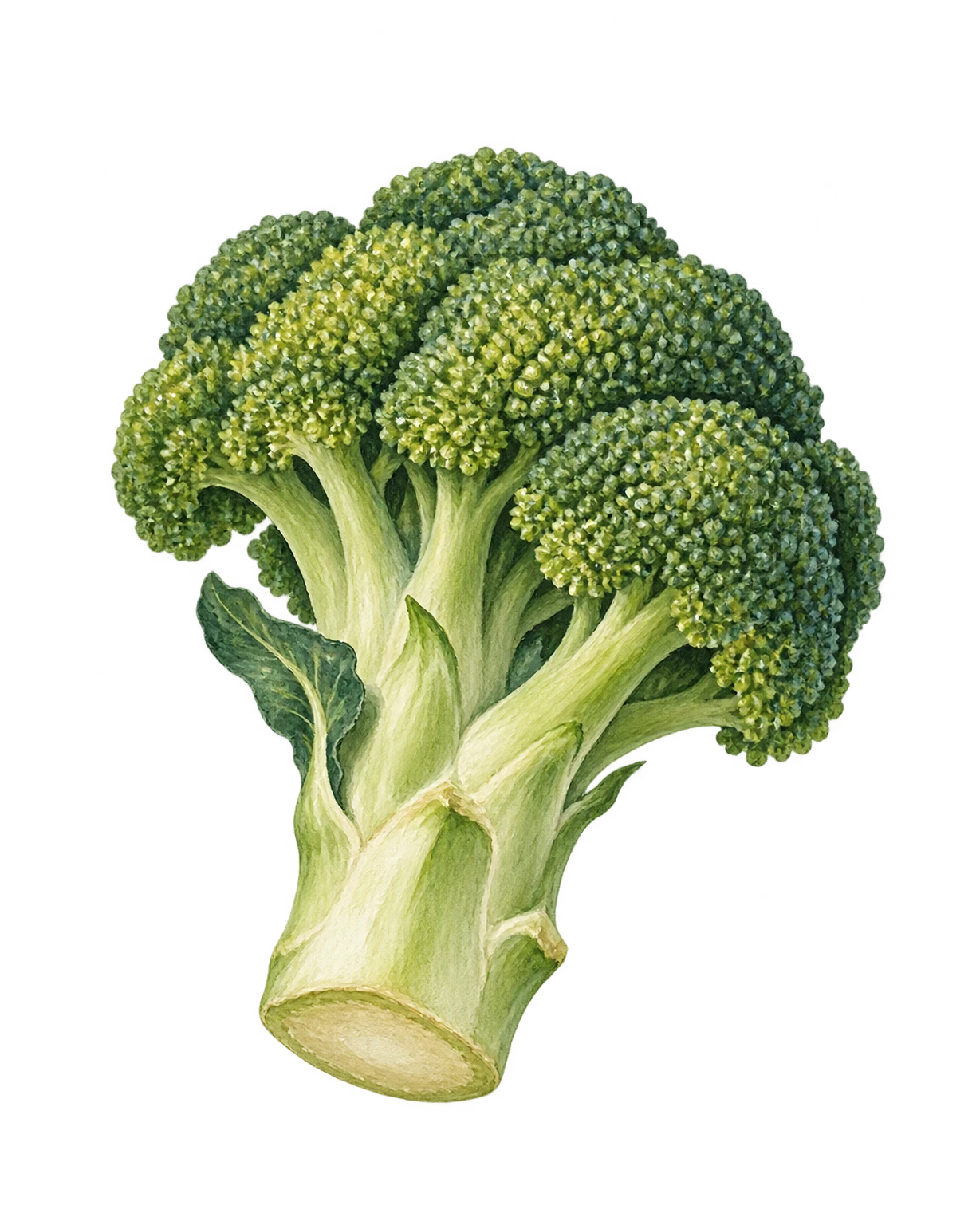
Broccoli is a usually green vegetable in the cabbage family, with tender florets and an edible stalk. It is known for its vitamin C, folate and fibre content.
Carrots
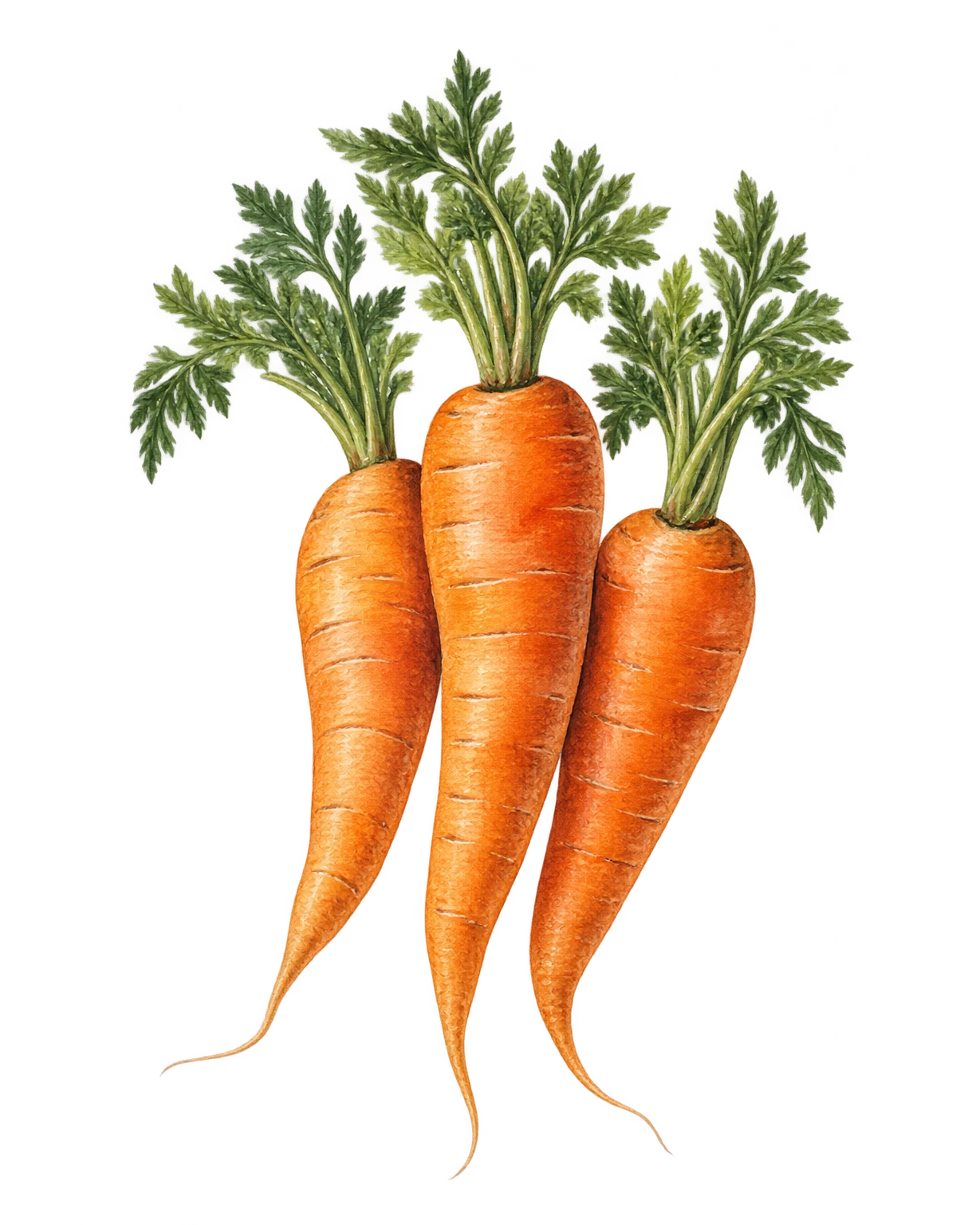
Carrots are crunchy, mildly sweet root vegetables that can be eaten raw or cooked. Orange carrots are particularly known for their beta-carotene content; they also contain fibre.
Potatoes
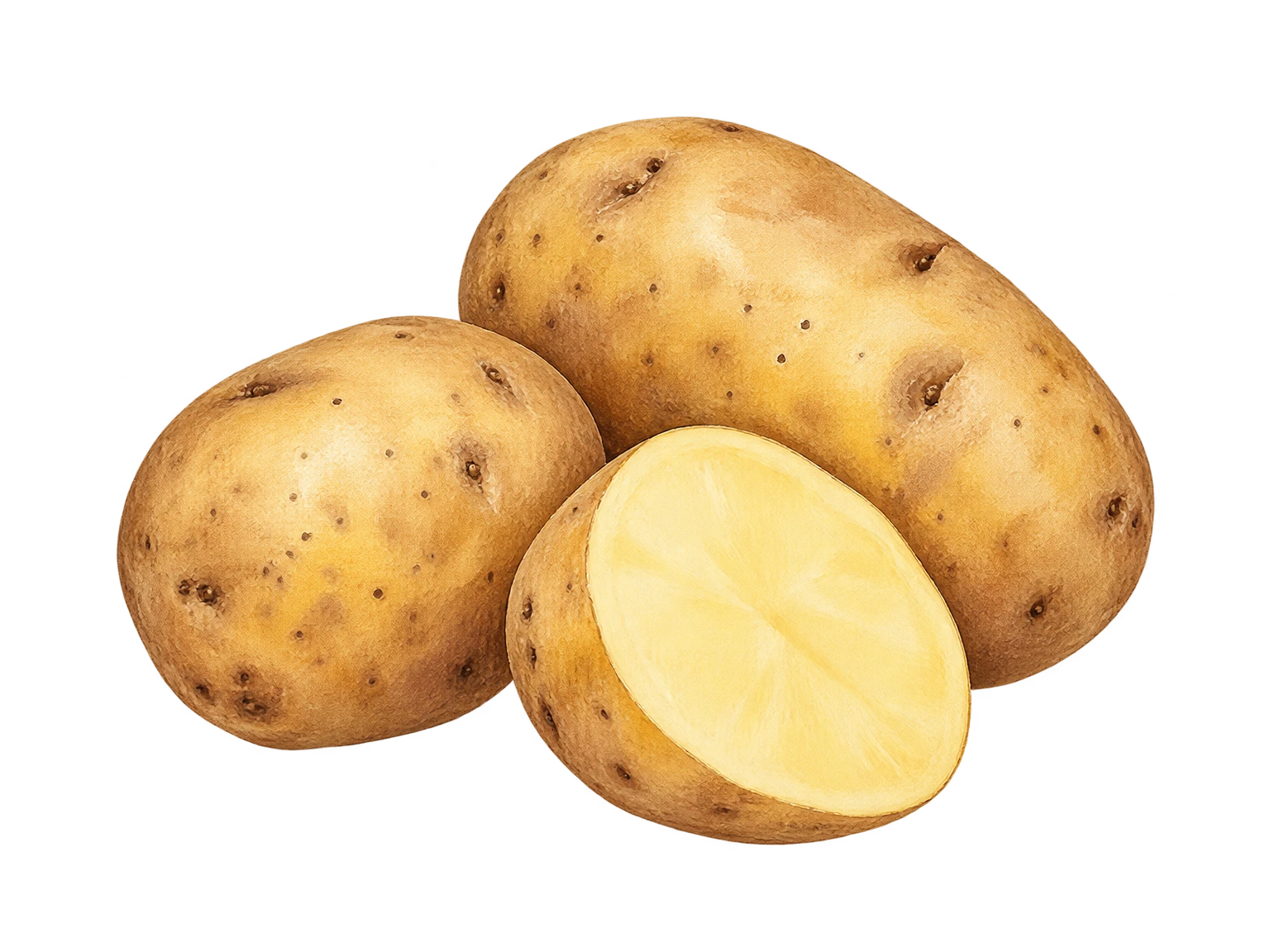
Potatoes are the edible, starch-rich tubers of the potato plant. A versatile staple, they can be boiled, baked, mashed or used in a wide range of dishes.
Spinach
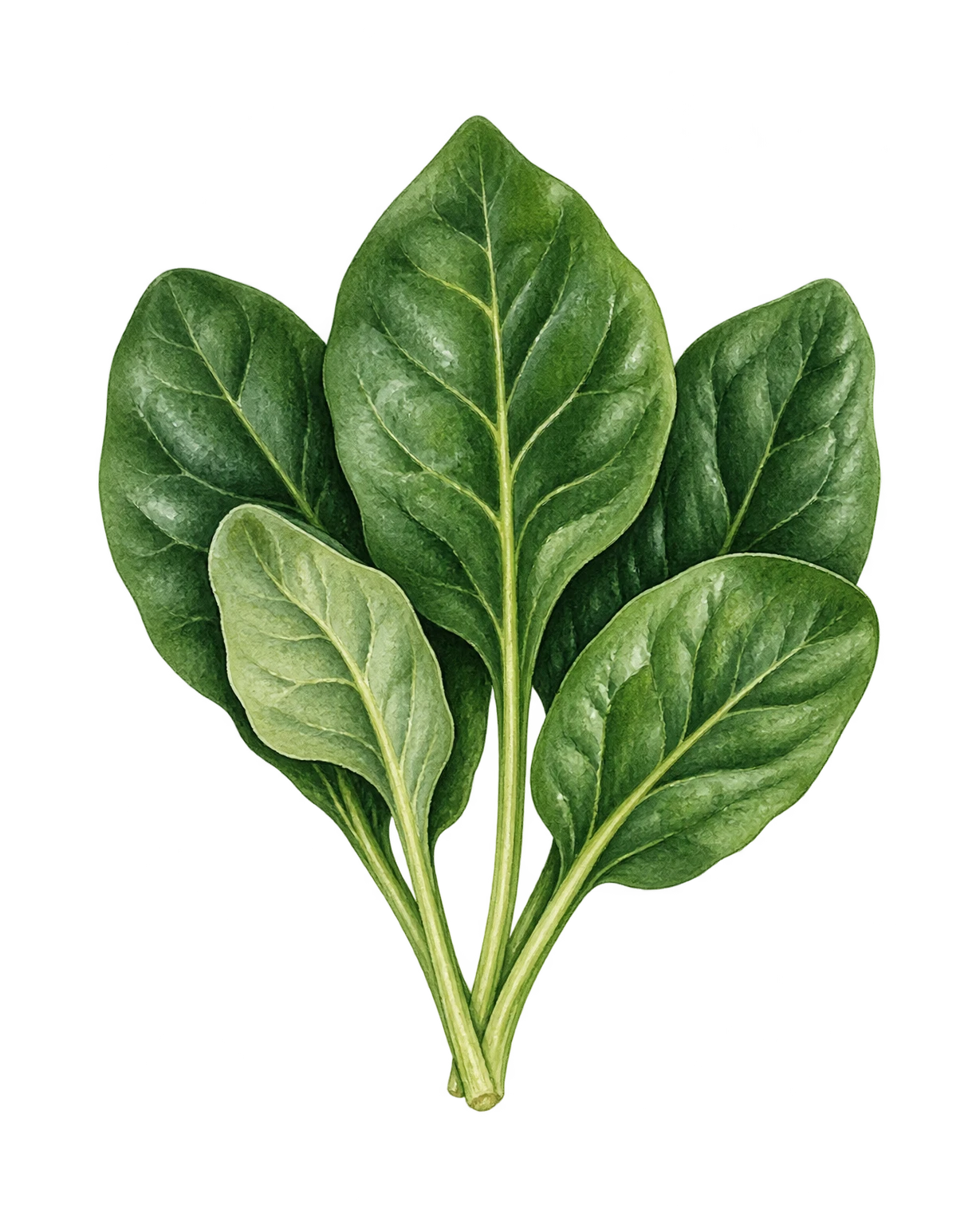
Spinach is a green leafy vegetable. The food consists of the edible leaves of the plant Spinacia oleracea.
Sources
- 01Guy's and St Thomas' NHS Foundation TrustPollen food syndromeOpen source
- 02National Institute of Diabetes and Digestive and Kidney DiseasesEating, Diet, & Nutrition for GER & GERDOpen source
- 03National Institute of Diabetes and Digestive and Kidney DiseasesHealthy Eating for Adults with Chronic Kidney DiseaseOpen source
- 04National Institute of Diabetes and Digestive and Kidney DiseasesTips for People with Chronic Kidney Disease (CKD): PotassiumOpen source
- 05NHSPreparing food safely for babiesOpen source
- 06US Food and Drug AdministrationSelecting and Serving Produce SafelyOpen source
- 07U.S. Food and Drug AdministrationFruits, Veggies and Juices (Food Safety for Moms-to-Be)Open source
- 08EFSA Journal · 2020Risk assessment of glycoalkaloids in feed and food, in particular in potatoes and potato-derived productsDOI 10.2903/j.efsa.2020.6222
- 09ANSES – French Agency for Food, Environmental and Occupational Health & Safety – Ciqual French food composition table · 2025Tomato, raw (average) (CIQUAL 20385)Open source