Vegetables
Potatoes
Potatoes are the edible, starch-rich tubers of the potato plant. A versatile staple, they can be boiled, baked, mashed or used in a wide range of dishes.
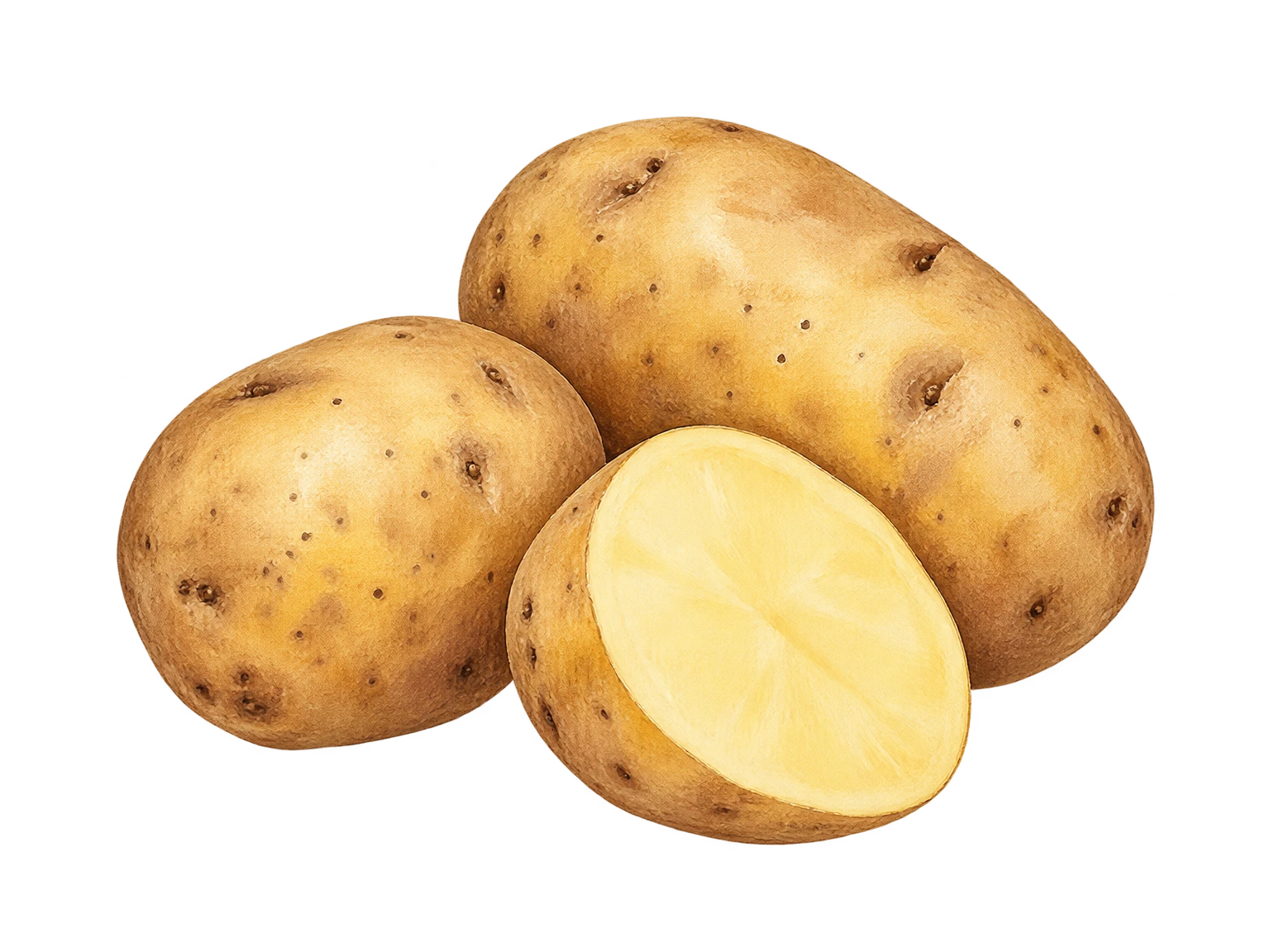
The potato plant belongs to the nightshade family. Its tubers develop on underground stems and are not botanically roots. You can serve potatoes as a side dish, add them to soups and casseroles, or make them the main ingredient of a meal. Nutritionally, they are best known for their starch, and they also contain protein, fibre, vitamins and minerals. Their composition varies with the variety and preparation method. Nutrient amounts are listed per 100 g, with a source reference, in the composition table.
What are potatoes?
Potatoes are the edible, starch-rich tubers of the potato plant (Solanum tuberosum), which belongs to the nightshade family. The tubers grow on underground shoots and are botanically not roots.
How to use them
You can boil or bake potatoes, or mash them. They work as a side dish, in soups and casseroles, or as the main part of a meal. Nutritionally, potatoes are best known for their starch. They also contain protein, dietary fibre, vitamins and minerals. The composition varies with the variety and preparation; nutrient amounts are shown per 100 g in the nutrition table.
Nutrients
- Protein2.02 gper 100 g[7]
- Omega-3 fatty acids0.018 gper 100 g[7]
- Dietary fibre2.2 gper 100 g[7]
- Calcium14.3 mgper 100 g[7]
- Iron0.78 mgper 100 g[7]
- Magnesium22 mgper 100 g[7]
- Phosphorus57 mgper 100 g[7]
- Potassium421 mgper 100 g[7]
- Zinc0.35 mgper 100 g[7]
- Copper0.079 mgper 100 g[7]
- Iodine1.74 µgper 100 g[7]
- Selenium22.9 µgper 100 g[7]
- Vitamin A0.083 µgper 100 g[7]
- Vitamin E0.01 mgper 100 g[7]
- Vitamin D0 µgper 100 g[7]
- Vitamin C19.7 mgper 100 g[7]
- Vitamin B60.3 mgper 100 g[7]
- Vitamin B120 µgper 100 g[7]
- Vitamin K1.9 µgper 100 g[7]
- Folate16 µgper 100 g[7]
Safety information
Caution
Discard green or heavily sprouted potatoes
Store potatoes somewhere cool, dark and dry. Do not eat extensively green, heavily sprouted or dried-out potatoes, or bitter-tasting potato dishes. Cut away small green patches and eyes generously. Elevated glycoalkaloid levels can cause nausea, abdominal pain, vomiting and diarrhoea; severe poisoning is possible. Peeling and cooking do not reliably make unsuitable potatoes safe. [1][2]
Caution
Cook until golden yellow, not dark brown
Frying, roasting and baking potatoes can produce acrylamide. Aim for a golden-yellow rather than dark-brown colour and vary cooking methods, including boiling or steaming. Health concerns are based mainly on animal studies; this does not establish that eating potatoes causes cancer in humans. [3]
Contraindication
Avoid potatoes if you have a confirmed allergy
If you have a confirmed potato allergy, avoid the forms that trigger reactions and follow your allergy management plan. Cooked potatoes can also cause allergic reactions; cooking does not automatically make them safe. [4]
Caution
Individualise intake if potassium is high
If you have kidney failure or high blood potassium, potato portions may need adjusting within your individual potassium plan. Discuss this with your healthcare team. Kidney disease does not automatically mean you must avoid potatoes. [5]
Interaction
Consider potassium with certain medicines
Potatoes contribute potassium. If you take ACE inhibitors, angiotensin receptor blockers or potassium-sparing diuretics, potassium monitoring may be important, especially with impaired kidney function. Adjust your diet according to individual advice; there is no blanket need to avoid potatoes. [6]
Frequently asked questions
What are potatoes?
Potatoes are the edible, starch-rich tubers of the potato plant.
How can you prepare potatoes?
You can boil or bake potatoes, or mash them.
What nutrients do potatoes contain?
Potatoes contain protein, dietary fibre, potassium and vitamin C, among other nutrients. Per 100 g, the composition lists 421 mg of potassium and 19.7 mg of vitamin C.
What should I do with green or heavily sprouted potatoes?
Discard potatoes that are green or heavily sprouted.
How much should potatoes brown during cooking?
Cook potatoes until golden rather than dark brown.
More entries
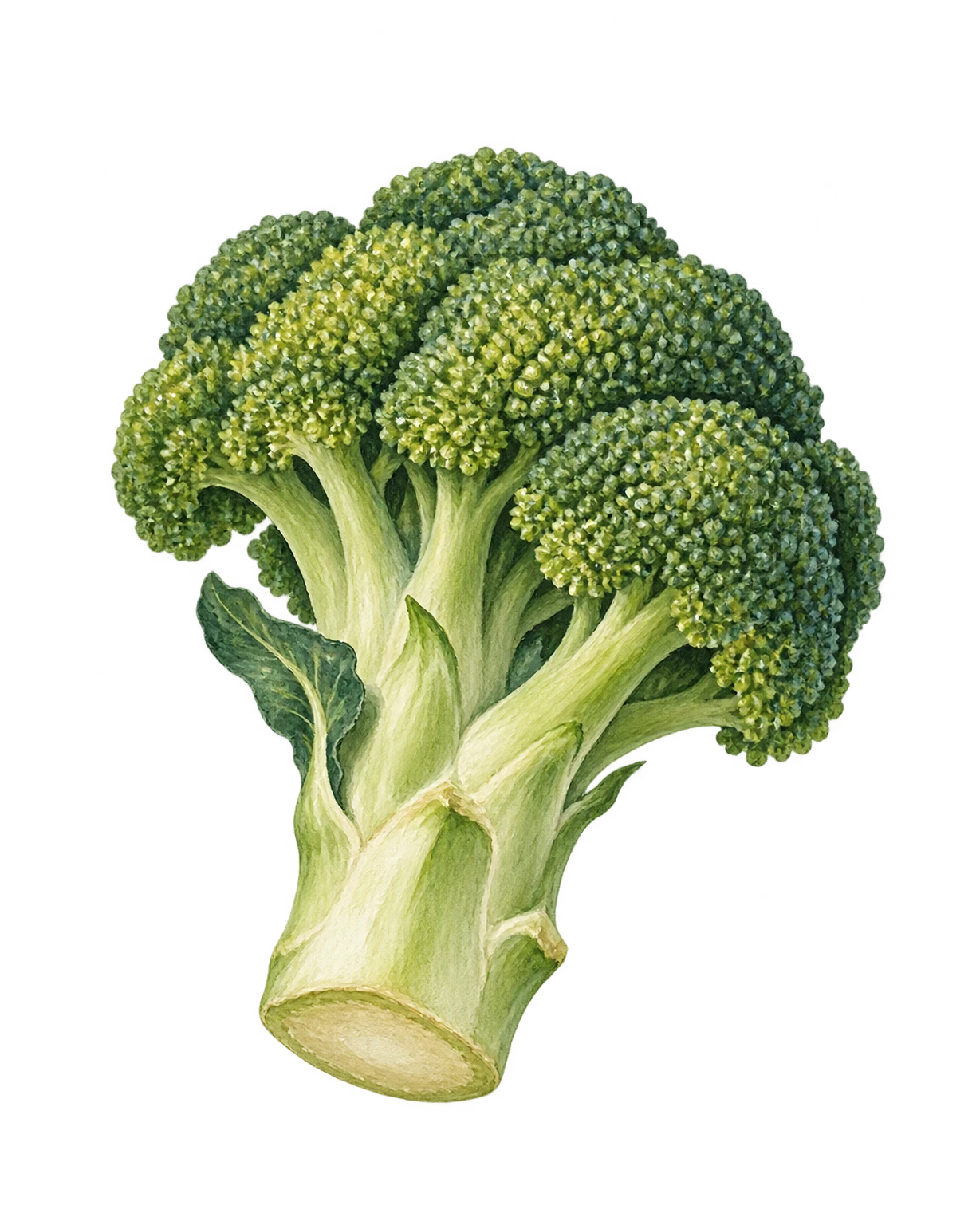
Broccoli
Broccoli is a usually green vegetable in the cabbage family, with tender florets and an edible stalk. It is known for its vitamin C, folate and fibre content.
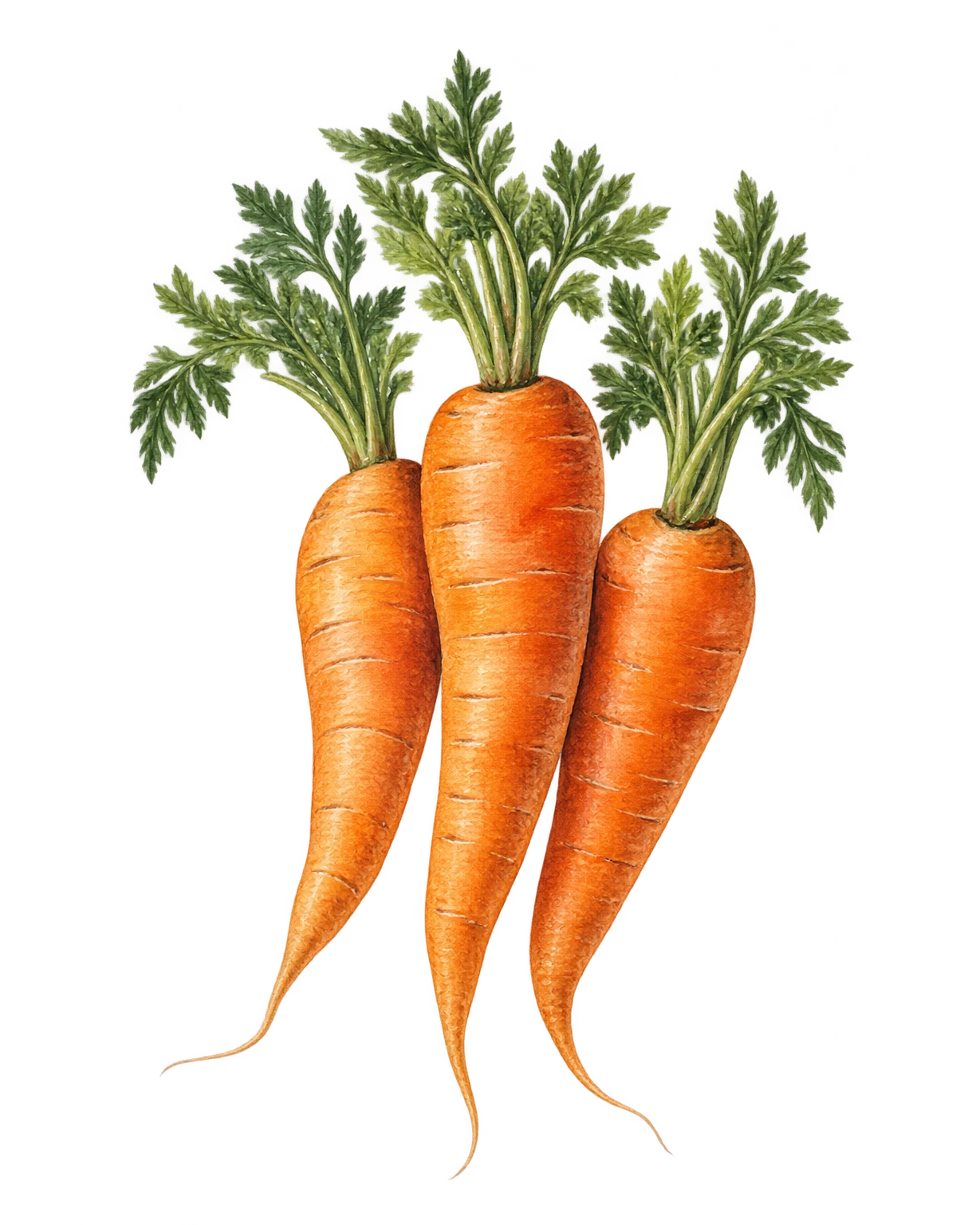
Carrots
Carrots are crunchy, mildly sweet root vegetables that can be eaten raw or cooked. Orange carrots are particularly known for their beta-carotene content; they also contain fibre.
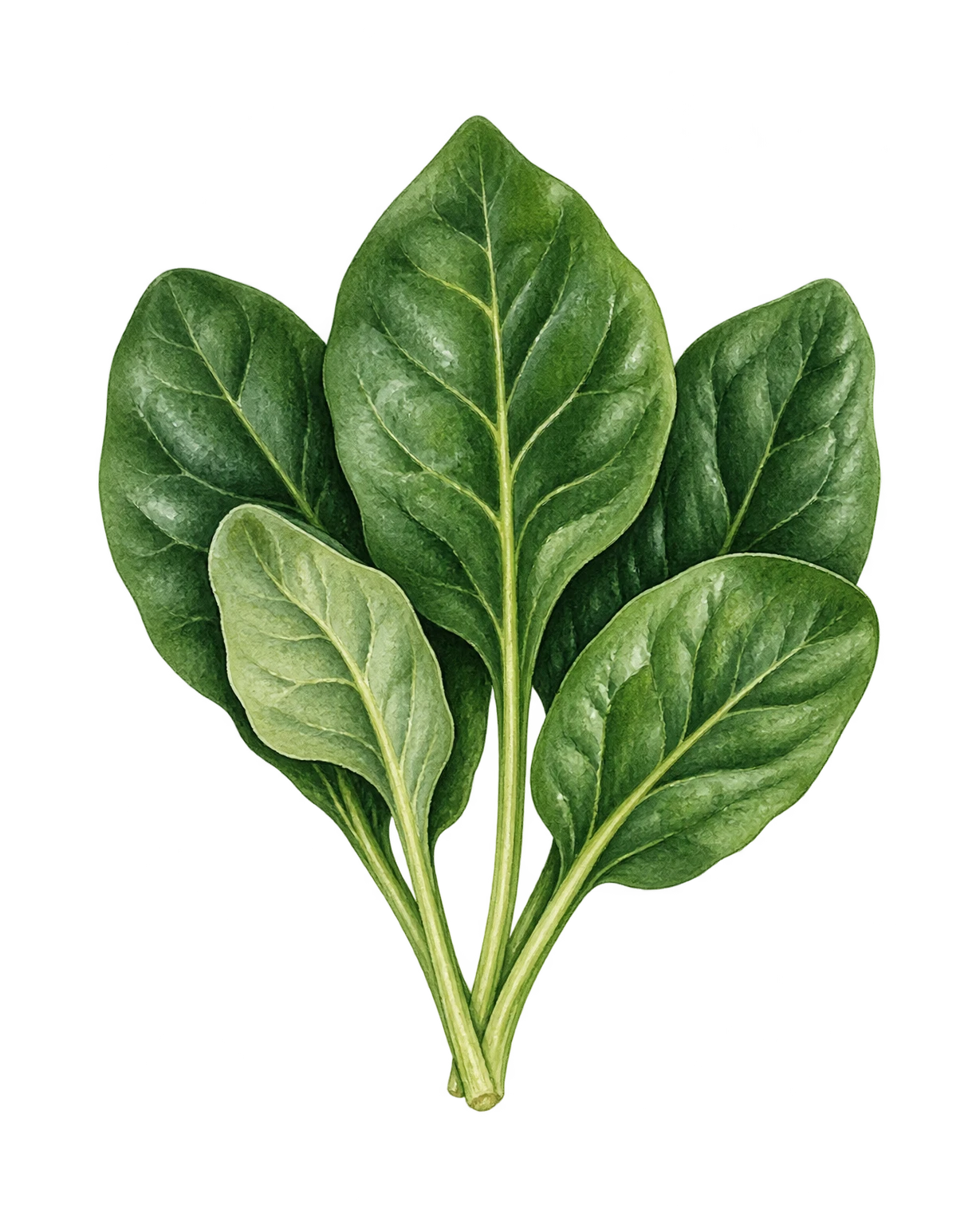
Spinach
Spinach is a green leafy vegetable. The food consists of the edible leaves of the plant Spinacia oleracea.
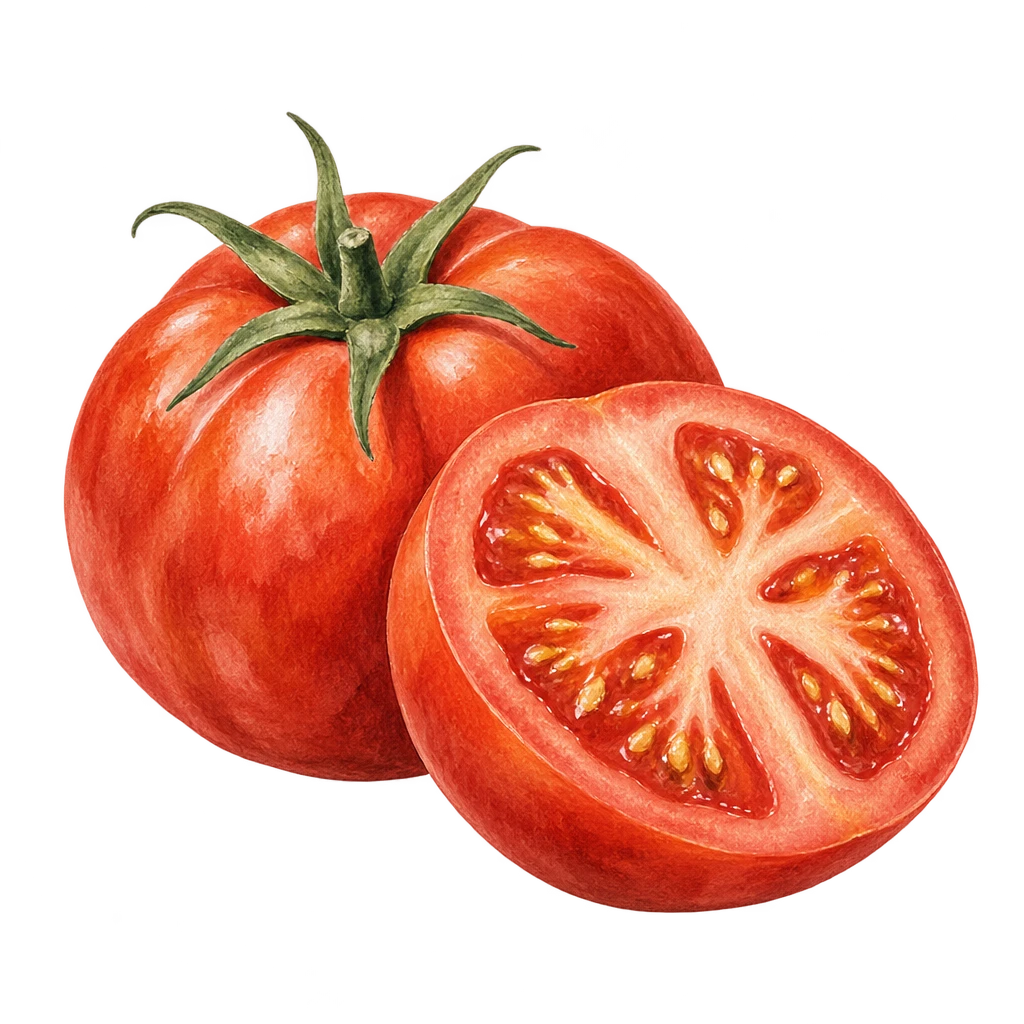
Tomatoes
Tomatoes are juicy fruits used as vegetables in cooking. You can eat them raw or cooked. Nutritionally, they are known for their high water content and the red carotenoid lycopene.
Sources
- 01EFSA Journal · 2020Risk assessment of glycoalkaloids in feed and food, in particular in potatoes and potato-derived productsDOI 10.2903/j.efsa.2020.6222
- 02Bundesinstitut für RisikobewertungFragen und Antworten zu Solanin (Glykoalkaloiden) in KartoffelnOpen source
- 03European Food Safety AuthorityAcrylamideOpen source
- 04Diagnosis and natural course of allergy to cooked potatoes in childrenPubMed 17573722Open source
- 05National Institute of Diabetes and Digestive and Kidney DiseasesHealthy Eating for Adults with Chronic Kidney DiseaseOpen source
- 06National Institutes of Health, Office of Dietary SupplementsPotassium - Health Professional Fact SheetOpen source
- 07ANSES – French Agency for Food, Environmental and Occupational Health & Safety – Ciqual French food composition table · 2025Potato, peeled, raw (CIQUAL 4008)Open source