Fruits
Avocado
Avocado is a fruit with creamy, mild-tasting flesh. It is known for its fat content, predominantly monounsaturated fats, and its fibre.
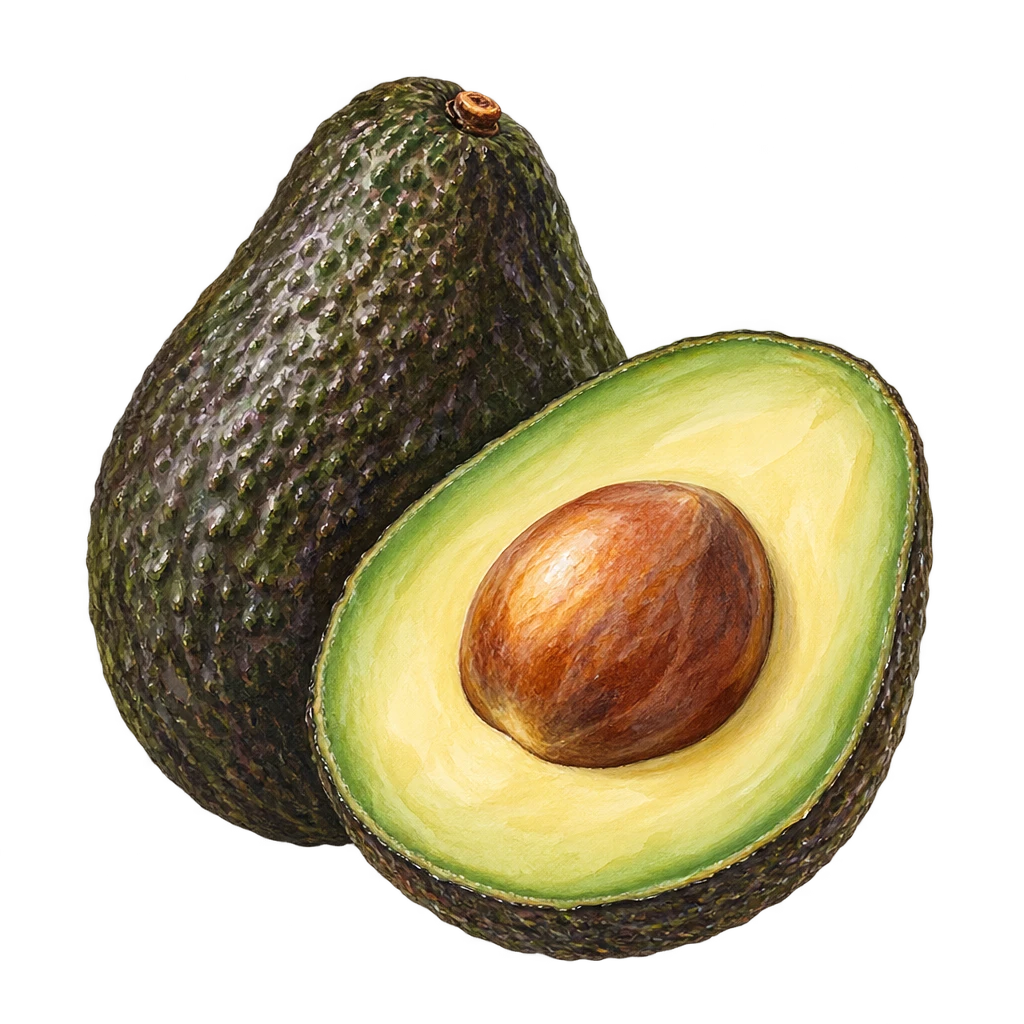
Avocado grows on the avocado tree and is botanically a berry. The greenish-yellow flesh is eaten after removing the skin and stone. You can slice it onto toast or into salads, mash it into guacamole, or use it in creamy dips. A ripe avocado gives slightly when gently pressed. Nutrient amounts are listed per 100 g of edible flesh.
Avocado is a fruit with creamy, mild-tasting flesh. The greenish-yellow flesh is eaten; the skin and stone are removed. Botanically, avocado is a berry.
Enjoying avocado
You can enjoy avocado sliced on bread or in a salad, mashed into guacamole, or blended into creamy dips. Ripe avocados yield slightly to gentle pressure.
Nutrients
Avocado is known for its fat content, predominantly monounsaturated fats, and its fibre. Nutrient amounts are given per 100 g of edible flesh.
Nutrients
- Protein1.56 gper 100 g[8]
- Omega-3 fatty acids0.15 gper 100 g[8]
- Dietary fibre3.6 gper 100 g[8]
- Calcium9.4 mgper 100 g[8]
- Iron0.34 mgper 100 g[8]
- Magnesium21 mgper 100 g[8]
- Phosphorus38 mgper 100 g[8]
- Potassium430 mgper 100 g[8]
- Zinc0.43 mgper 100 g[8]
- Copper0.18 mgper 100 g[8]
- Vitamin A0.21 µgper 100 g[8]
- Vitamin E2.23 mgper 100 g[8]
- Vitamin D0 µgper 100 g[8]
- Vitamin B1 (thiamin)0.052 mgper 100 g[8]
- Vitamin B2 (Riboflavin)0.037 mgper 100 g[8]
- Niacin (Vitamin B3)1.56 mgper 100 g[8]
- Vitamin B60.17 mgper 100 g[8]
- Vitamin B120 µgper 100 g[8]
- Vitamin K14.5 µgper 100 g[8]
- Folate70.4 µgper 100 g[8]
Safety information
Contraindication
Avocado allergy and latex cross-reactivity
Avoid avocado if you have a confirmed avocado allergy. People with latex allergy may also react to avocado, but do not need to avoid it automatically if they have no symptoms. Seek specialist assessment for suspected reactions. Breathing difficulty or throat swelling requires immediate emergency help. [1]
Side effect
Portion size matters with IBS
If you follow a low-FODMAP diet for irritable bowel syndrome, larger avocado portions may be less well tolerated. Adjust the amount to your symptoms and dietary plan; routine avoidance is not necessary. [2]
Caution
Previous FPIES reaction in children
Avocado can trigger reactions in some children with FPIES, a type of food allergy. If your child has had a suspected FPIES reaction after avocado, seek specialist advice before offering it again. This does not justify avoiding avocado in all babies and children. [3]
Interaction
Consistent intake with vitamin K antagonists
If you take warfarin or another vitamin K antagonist, keep your intake of vitamin-K-containing foods such as avocado reasonably consistent. You do not need to avoid avocado routinely. Discuss substantial dietary changes with your anticoagulation team, as they may affect anticoagulation control. [4]
Caution
Potassium with kidney disease and certain medicines
If you have high blood potassium or impaired kidney function, your avocado portions may need adjusting. This is particularly relevant with medicines that can raise potassium, such as ACE inhibitors, angiotensin receptor blockers or potassium-sparing diuretics. Agree suitable portions with your care team; kidney disease does not automatically mean avoiding avocado. [5][6]
Caution
Wash before cutting
Wash the whole avocado under running water before cutting, scrub the skin with a clean produce brush and dry it. This reduces the transfer of germs from the skin to the flesh. It is especially important during pregnancy, for older adults and for people with weakened immune systems. [7]
Frequently asked questions
Which part of an avocado can you eat?
The flesh is edible; the skin and seed are excluded.
What nutrients does avocado contain?
Avocado contains fat, predominantly monounsaturated fats, as well as fibre. It also contains potassium, vitamin E and folate.
How much fibre does avocado contain?
Avocado contains 3.6 g of fibre per 100 g of flesh.
How much potassium does avocado contain?
Avocado contains 430 mg of potassium per 100 g of flesh.
More entries
Apples
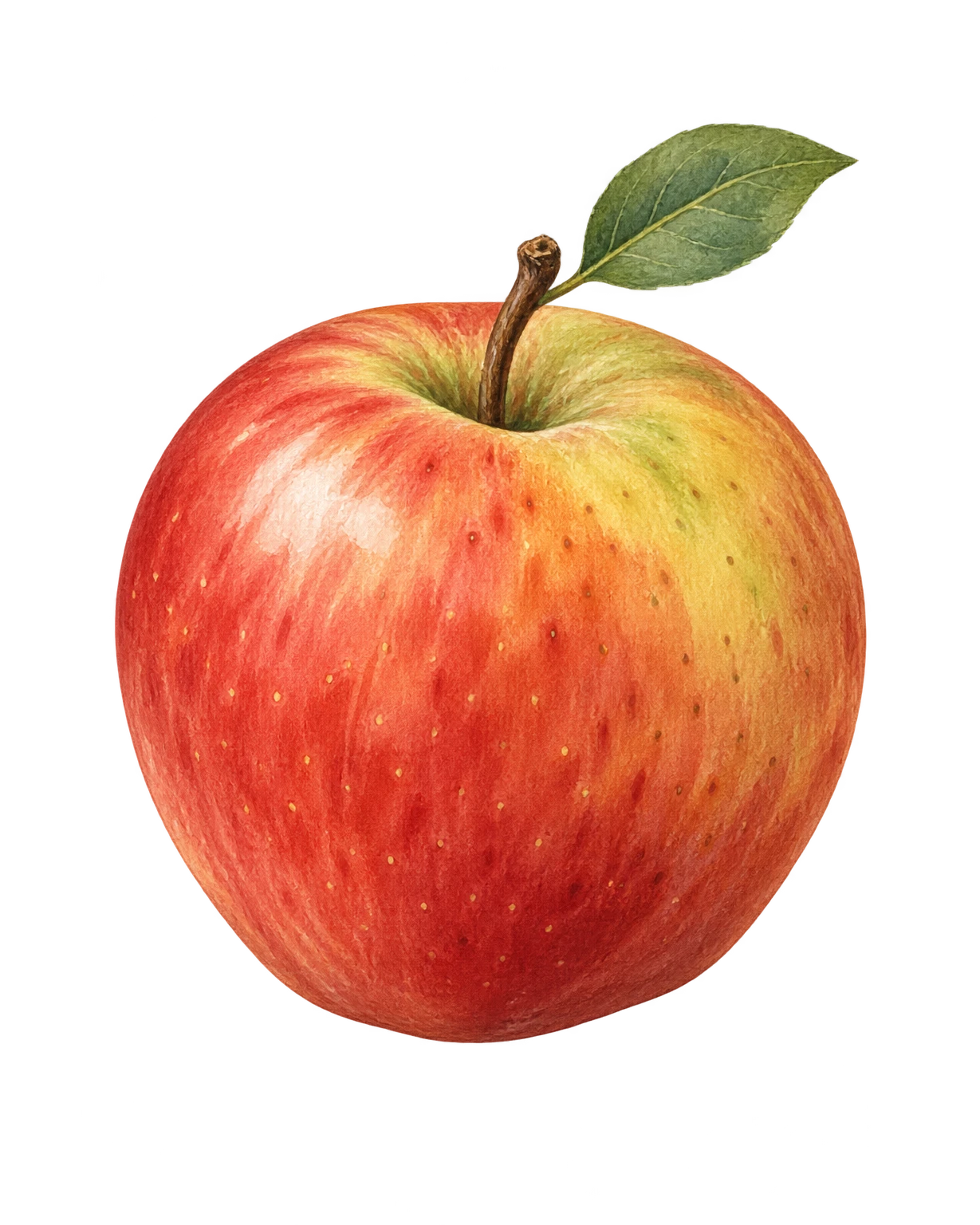
Apples are pome fruits with crisp to soft flesh and a sweet to tart flavour. They can be enjoyed raw, cooked or baked.
Blueberries
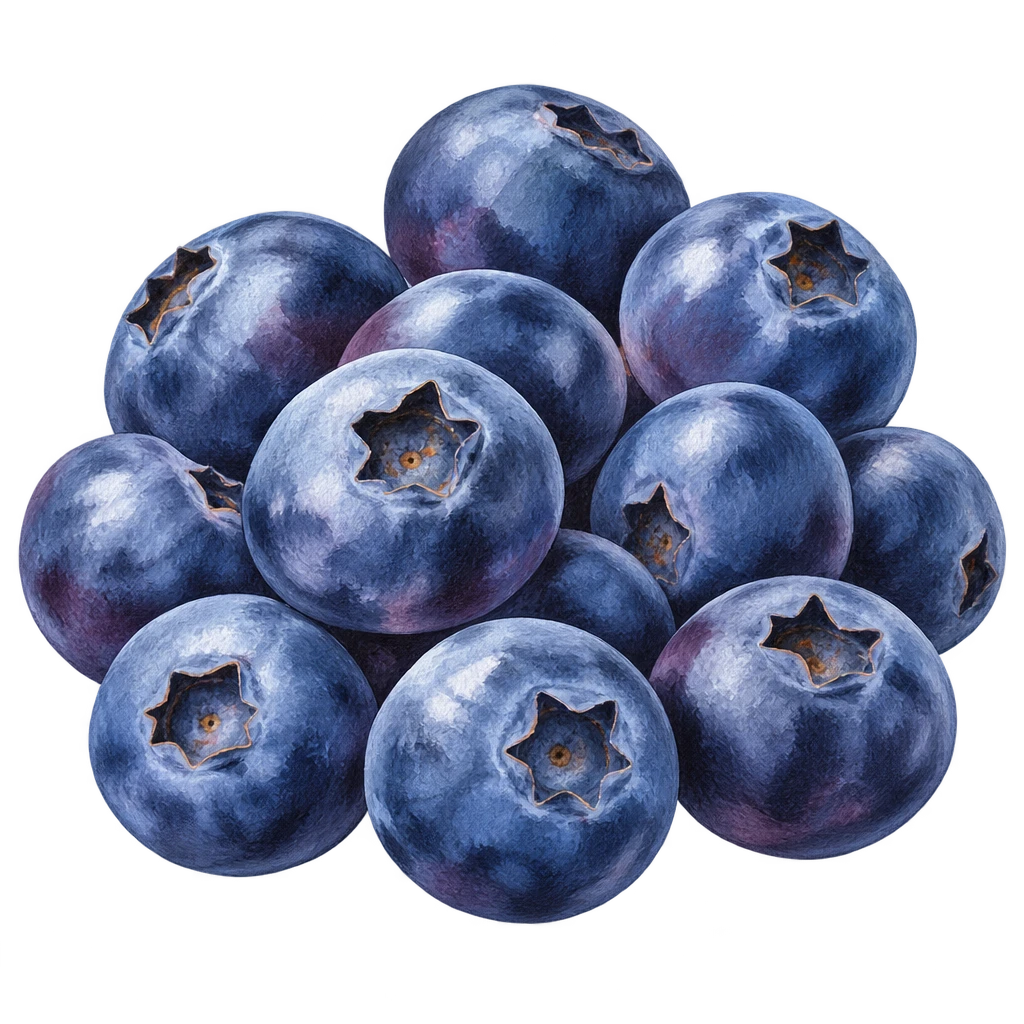
Blueberries are small blue berries with a sweet to slightly tart flavour. Known for their fibre and natural plant pigments, they can be eaten fresh or added to cereals and baked dishes.
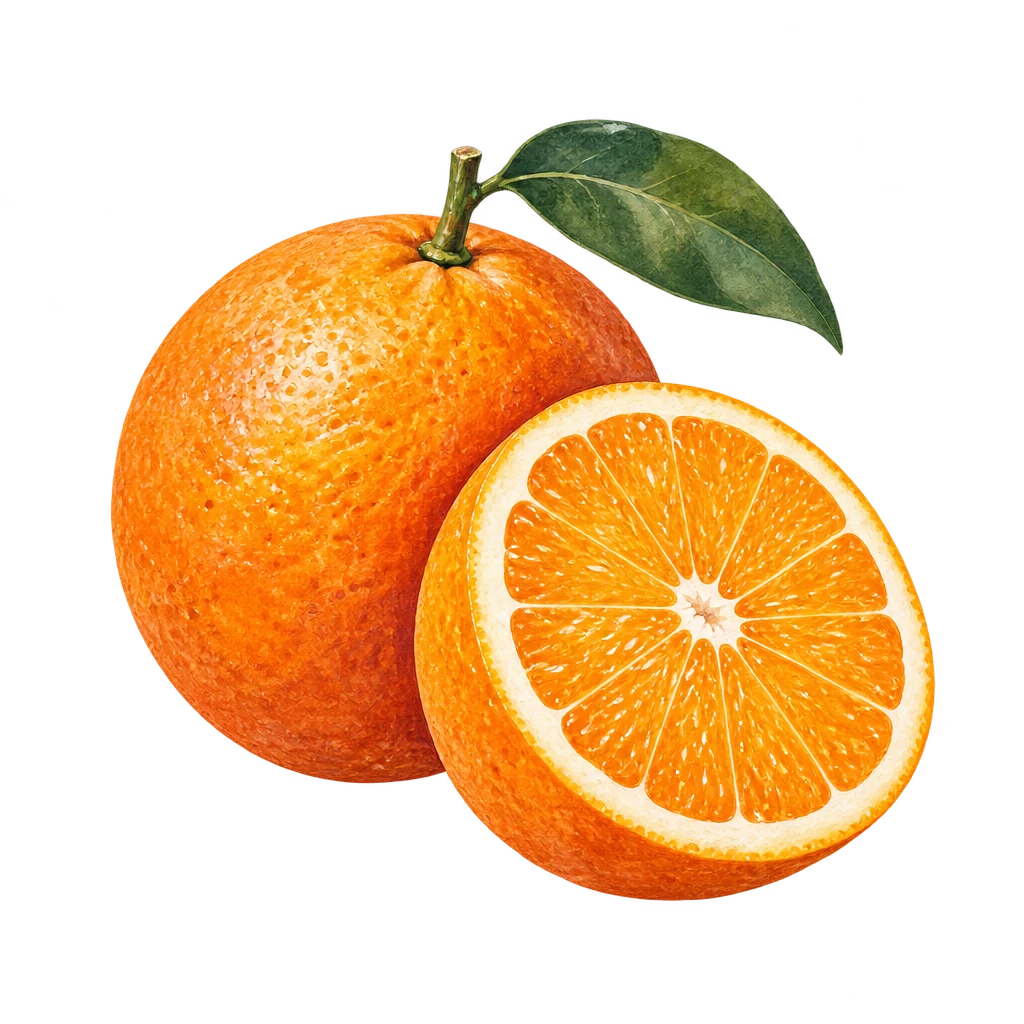
Orange
The orange is a juicy citrus fruit with a sweet to slightly tart flavour. It is usually eaten fresh or squeezed for juice and is particularly known for its vitamin C content.
Banana
A banana is the edible fruit of a plant in the genus Musa. It belongs to the fruit food group and is usually eaten fresh.

Sources
- 01Cambridge University Hospitals NHS Foundation TrustLatex allergy - information for patientsOpen source
- 02Gloucestershire Hospitals NHS Foundation TrustThe Low FODMAP dietOpen source
- 03A Slice of FPIES (food protein-induced enterocolitis syndrome): Insights from 441 children with FPIES as provided by caregivers in the International FPIES AssociationOpen source
- 04Cambridge University Hospitals NHS Foundation TrustDietary advice for patients taking warfarinOpen source
- 05National Institute of Diabetes and Digestive and Kidney DiseasesHealthy Eating for Adults with Chronic Kidney DiseaseOpen source
- 06National Institutes of Health, Office of Dietary SupplementsPotassium - Health Professional Fact SheetOpen source
- 07US Food and Drug AdministrationMicrobiological Surveillance Sampling: FY14-16 Whole Fresh AvocadosOpen source
- 08ANSES – French Agency for Food, Environmental and Occupational Health & Safety – Ciqual French food composition table · 2025Avocado, flesh without skin, pitted, raw (CIQUAL 13004)Open source