Nuts & seeds
Walnuts
Walnuts are the edible kernels of the walnut tree. Their flavour is nutty and slightly bitter, and they are known for their unsaturated fats.
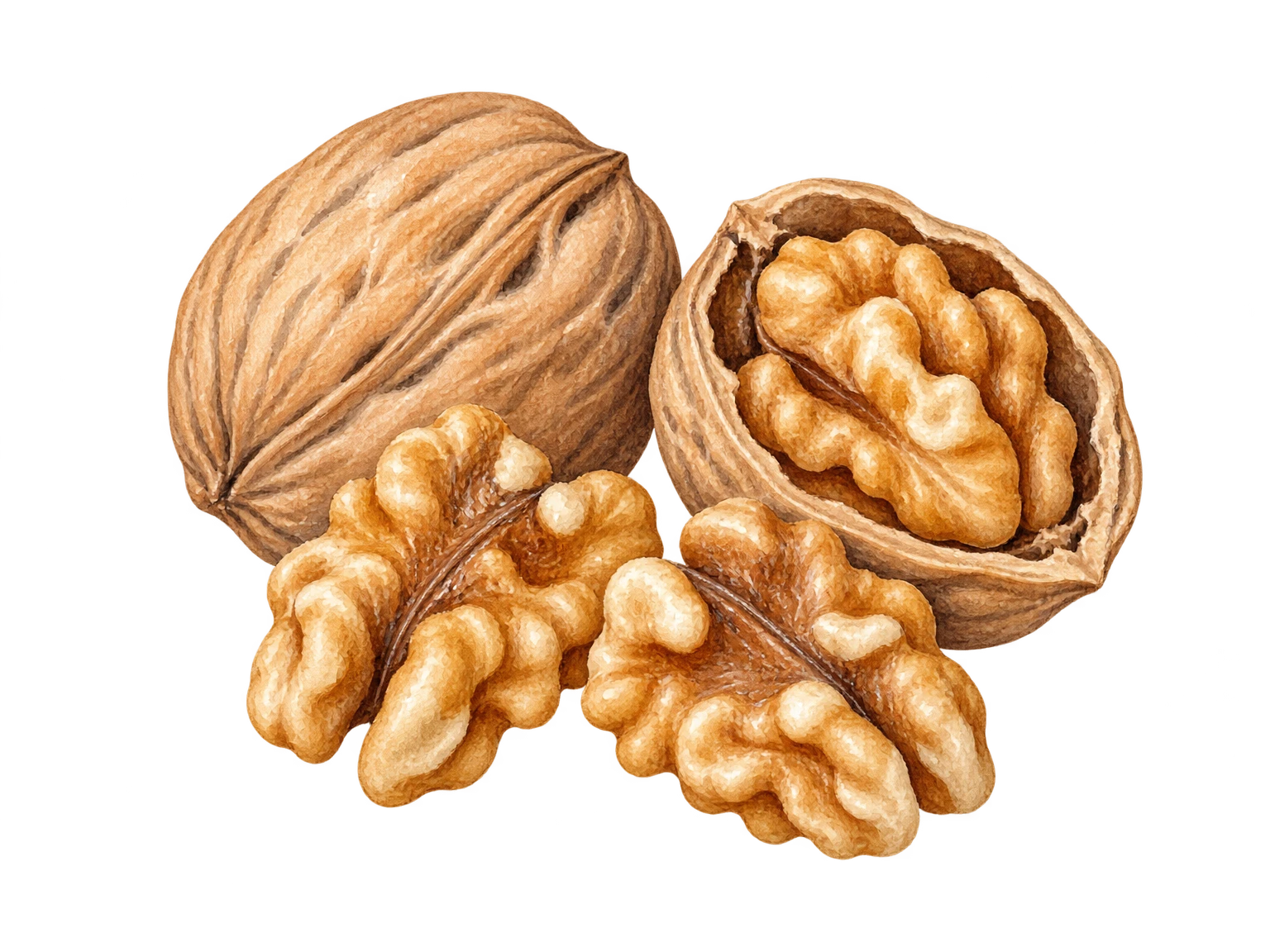
The kernels of the common walnut (Juglans regia) have a distinctive folded shape and sit inside a hard shell. You can eat them on their own or add them to breakfast cereals, salads, pesto and baked dishes. Alongside fat, walnuts contain protein and fibre. The nutrient table lists amounts per 100 g of edible walnut kernels, together with the source.
Walnuts are the edible kernels of the walnut tree (Juglans regia). They sit inside a hard shell and have a distinctive ridged shape. Their flavour is mildly nutty to slightly bitter.
How to use walnuts
You can enjoy walnut kernels on their own or add them to muesli. They also work well in salads, pesto and baked goods.
Nutrients in walnuts
Walnuts are known for their unsaturated fats. They also contain protein and dietary fibre. The nutrient table gives amounts per 100 g of edible walnut kernels.
Nutrients
- Protein13.3 gper 100 g[10]
- Omega-3 fatty acids7.5 gper 100 g[10]
- Dietary fibre6.7 gper 100 g[10]
- Calcium75 mgper 100 g[10]
- Iron2.2 mgper 100 g[10]
- Magnesium140 mgper 100 g[10]
- Phosphorus360 mgper 100 g[10]
- Potassium430 mgper 100 g[10]
- Zinc2.7 mgper 100 g[10]
- Copper1.1 mgper 100 g[10]
- Vitamin A1.73 µgper 100 g[10]
- Vitamin E1.67 mgper 100 g[10]
- Vitamin C0.77 mgper 100 g[10]
- Vitamin B60.19 mgper 100 g[10]
- Vitamin K2.4 µgper 100 g[10]
- Folate120 µgper 100 g[10]
Safety information
Contraindication
Avoid walnuts if you have a walnut allergy
If you have a walnut allergy, avoid walnuts and check allergen labels. Even small amounts can cause severe reactions. Itching in the mouth or throat can also indicate an allergy and should be assessed by a healthcare professional. For a severe reaction, use your prescribed adrenaline auto-injector and call emergency services immediately. [1][2]
Side effect
Possible digestive discomfort
A small number of participants in some walnut trials reported digestive symptoms. Their frequency and the amounts that might trigger them are not well established. If symptoms repeatedly occur after eating walnuts, seek advice about the cause. [3]
Caution
Discard mouldy walnuts
Do not eat walnuts with visible mould or other suspicious changes. Discard affected nuts: heating or roasting does not reliably remove possible mycotoxins. [4]
Interaction
Interaction with levothyroxine
If you take levothyroxine, walnuts may reduce its absorption in the gut. Follow your medicine’s instructions and discuss substantial changes in walnut consumption with your prescriber or pharmacist. Do not adjust the dose yourself; a general four-hour separation specifically for walnuts is not established. [5]
Caution
No whole nuts for children under five
Do not give whole walnut kernels to children under five because they can cause choking. From around six months, finely ground or crushed nuts can be mixed into suitable food. Do not give nut butter as a lump on its own. [6]
Caution
Seek advice before introduction if allergy risk is higher
If your baby has eczema, a known food allergy or a family history of allergies, seek medical advice before introducing walnuts. Introduce potential allergens one at a time in small amounts so that you can recognise reactions. [7]
Caution · Pregnant women
No routine avoidance during pregnancy
You do not need to avoid walnuts simply because you are pregnant. Avoid them if you are allergic or have been advised to do so by a healthcare professional. [8]
Caution · Adults
Individualise portions with chronic kidney disease
If you have chronic kidney disease, suitable walnut portions depend on your blood results and dietary plan. Not everyone needs to restrict potassium or phosphorus. Discuss portions with your renal dietitian when needed; walnuts do not require a blanket ban. [9]
Frequently asked questions
Do walnuts contain omega-3?
Yes. Walnuts contain 7.5 g of omega-3 per 100 g according to the nutrition information.
How much protein do walnuts contain?
Walnuts contain 13.3 g of protein per 100 g.
Can I eat walnuts if I have a walnut allergy?
You should avoid walnuts if you have a walnut allergy.
Can children under five eat whole walnuts?
No. The draft advises against giving whole nuts to children under five.
More entries
Almonds
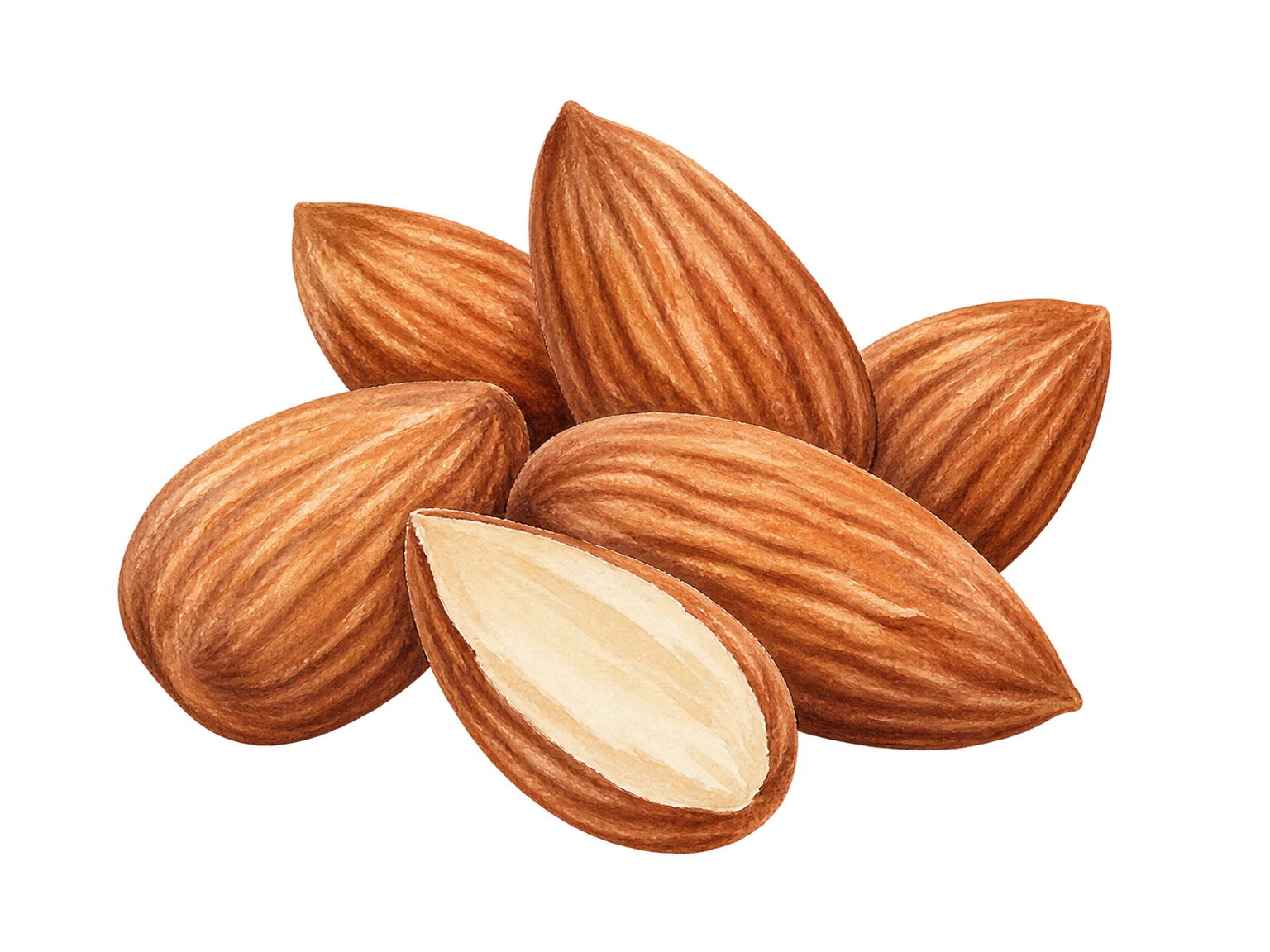
Almonds are the edible seed kernels of the almond tree. They are eaten plain, roasted or as an ingredient, and are nutritionally known for their unsaturated fats, protein, fibre and vitamin E.
Chia seeds
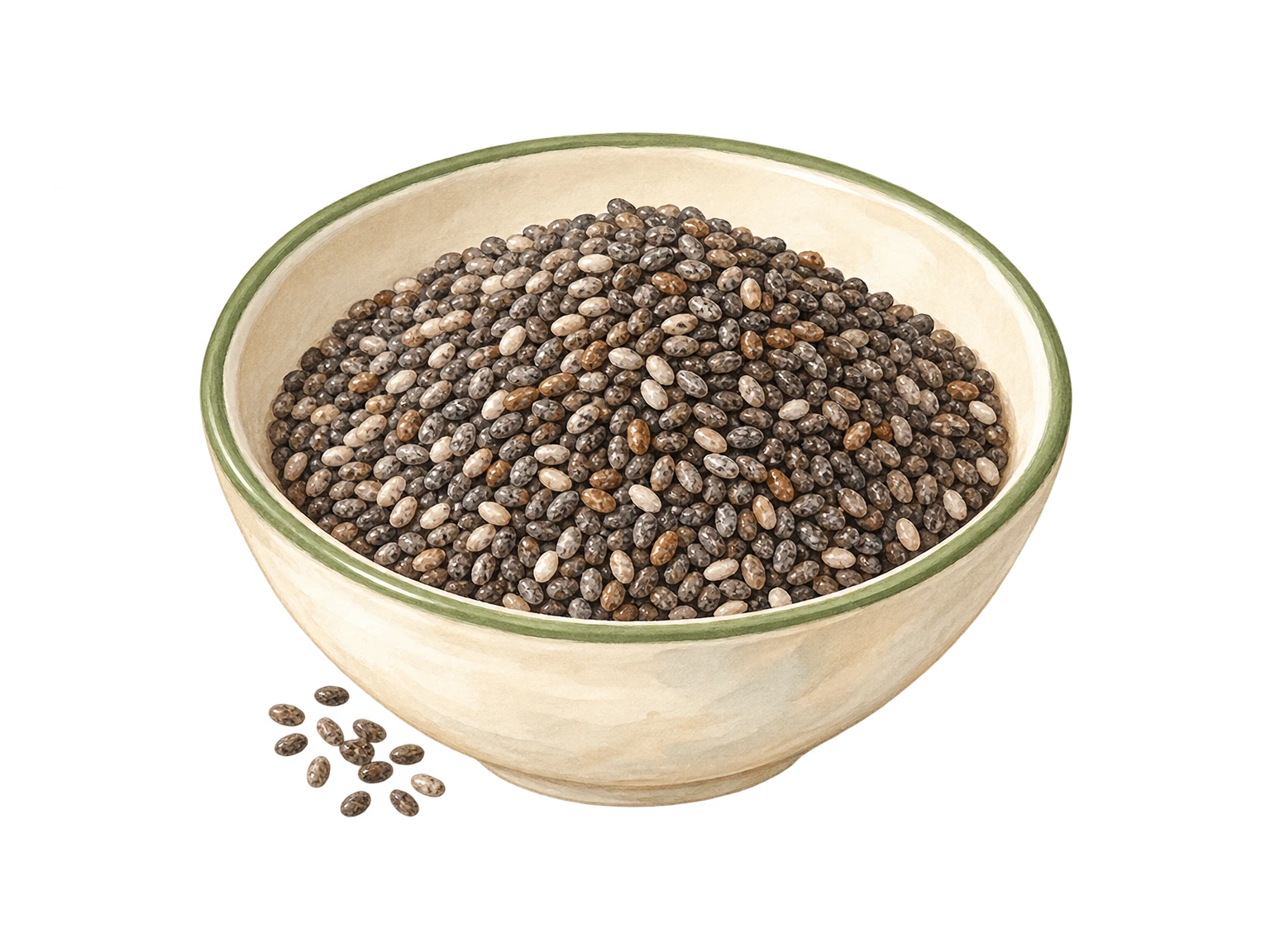
Chia seeds are the small edible seeds of Salvia hispanica. Known for their fibre and plant-based omega-3 fats, they are a versatile ingredient.
Pumpkin seeds
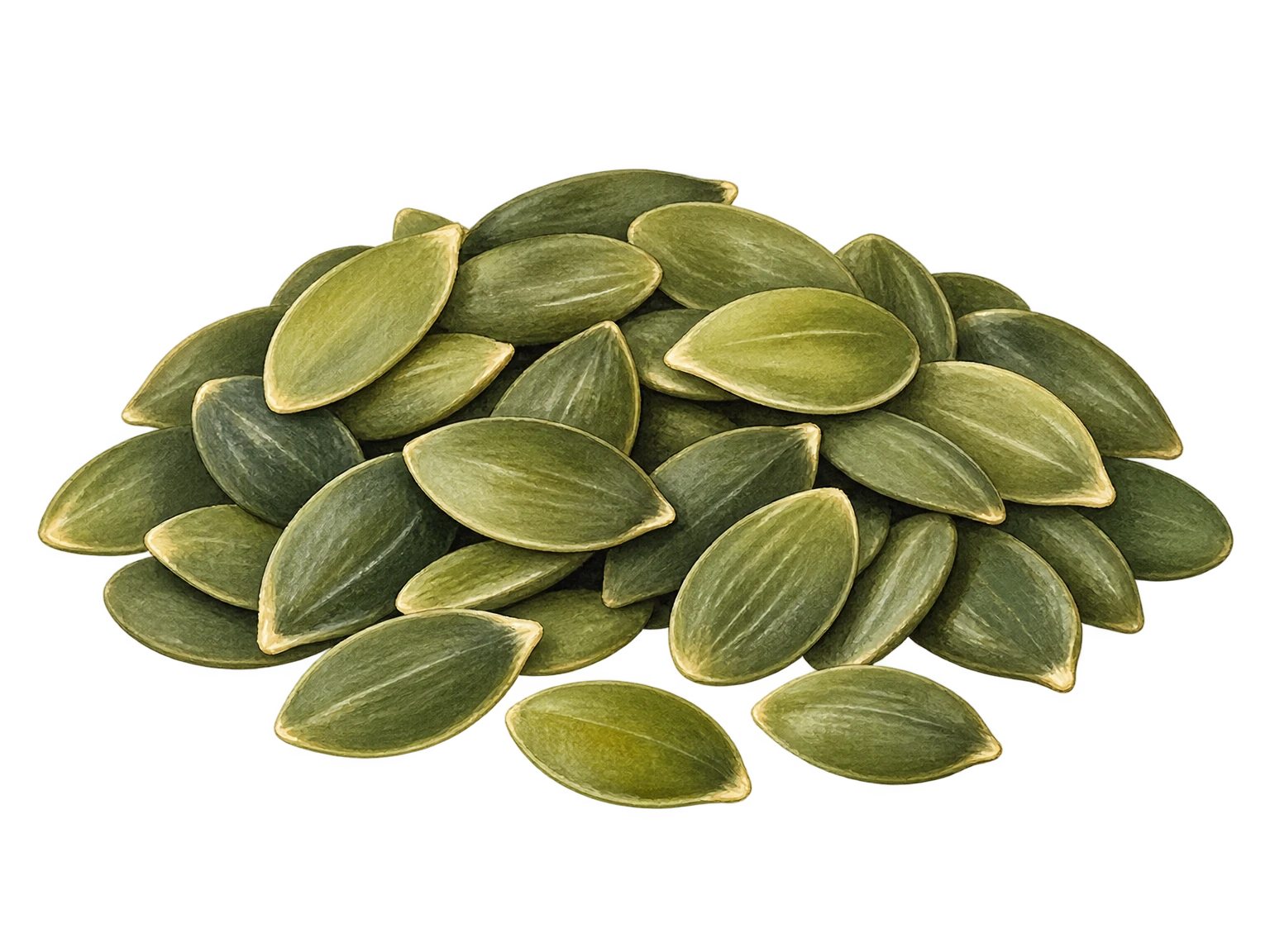
Pumpkin seeds are the edible seeds of pumpkins. Known for their nutty flavour and oil content, they are eaten as a snack or used as an ingredient in many dishes.
Sources
- 01European Food Safety AuthorityFood allergensOpen source
- 02NHSFood allergyOpen source
- 03Walnut consumption and health outcomes with public health relevance—a systematic review of cohort studies and randomized controlled trials published from 2017 to presentOpen source
- 04German Federal Institute for Risk Assessment (BfR)Mould in foods – health risks and how to avoid themOpen source
- 05US National Library of MedicineDailyMed - LEVOTHYROXINE SODIUM tabletOpen source
- 06NHSFoods to avoid giving babies and young childrenOpen source
- 07NHSFood allergies in babies and young childrenOpen source
- 08NHSFoods to avoid in pregnancyOpen source
- 09National Institute of Diabetes and Digestive and Kidney DiseasesHealthy Eating for Adults with Chronic Kidney DiseaseOpen source
- 10ANSES – French Agency for Food, Environmental and Occupational Health & Safety – Ciqual French food composition table · 2025Walnut, kernel, dried (CIQUAL 15005)Open source