Vegetables
Bell pepper
Bell peppers are crisp vegetables with a mild to sweet flavour, eaten raw or cooked. Nutritionally, they are particularly known for vitamin C and carotenoid pigments.
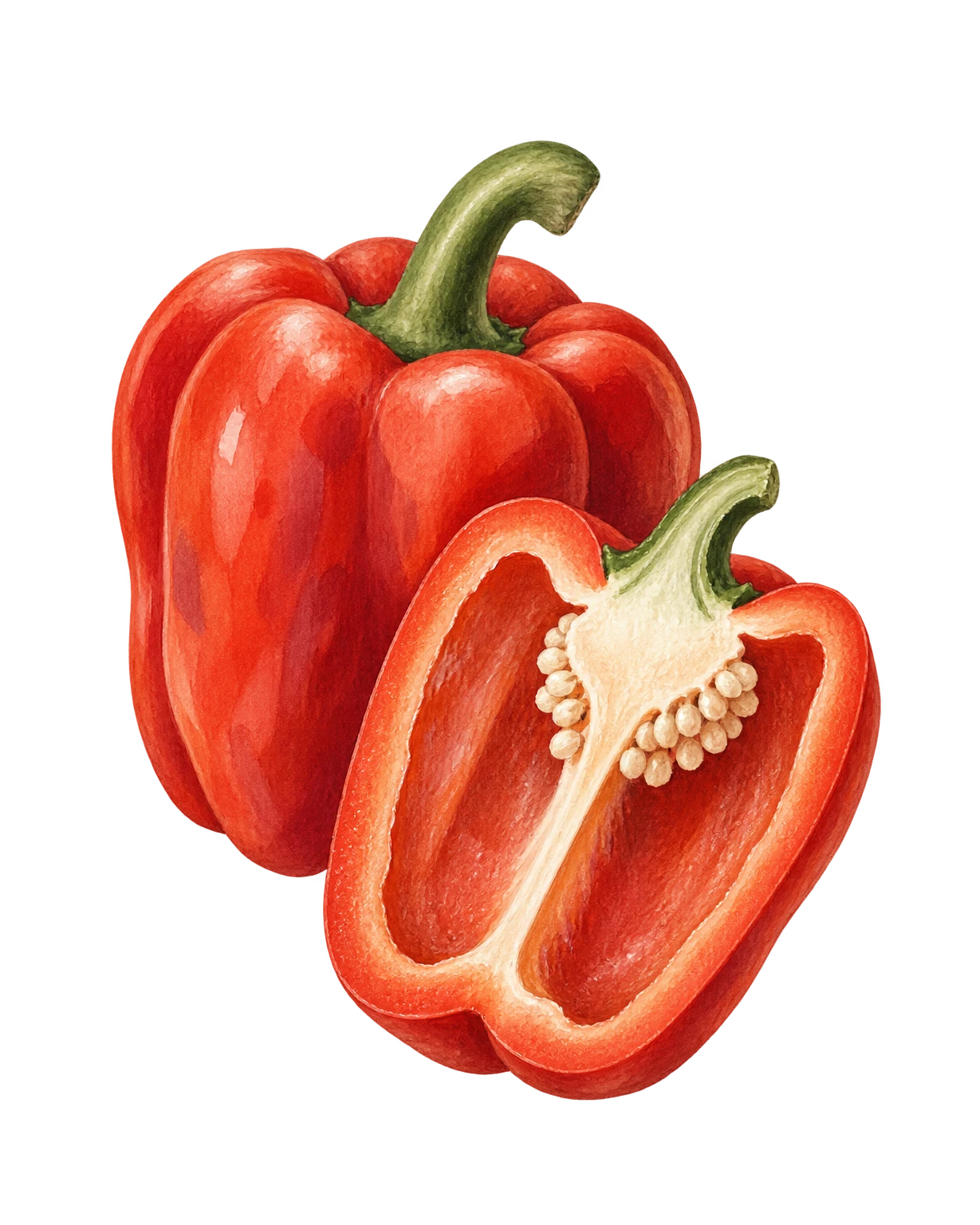
Bell peppers are the fruits of mild varieties of Capsicum annuum, a member of the nightshade family. Depending on the variety and stage of ripeness, they may be green, yellow, orange or red. Enjoy them in salads, as crunchy snacks, stuffed, stir-fried or roasted. This entry covers fresh sweet peppers rather than the dried spice called paprika. Nutrient values are listed per 100 g of edible portion, together with their source.
Bell pepper: crisp and versatile
Sweet pepper is the fruit of mild varieties of Capsicum annuum, a member of the nightshade family. Depending on the variety and ripeness, it may be green, yellow, orange or red. You can eat it raw or cooked, for example in salads, stuffed, fried or roasted. This page is about fresh sweet pepper, not dried paprika powder.
Nutrients in bell pepper
Bell peppers are particularly known for vitamin C and their carotenoid pigments. The composition also lists vitamin E and folate.
Nutrients
- Protein1.06 gper 100 g[4]
- Dietary fibre3.2 gper 100 g[4]
- Calcium4.8 mgper 100 g[4]
- Iron0.21 mgper 100 g[4]
- Magnesium8.2 mgper 100 g[4]
- Phosphorus19 mgper 100 g[4]
- Potassium180 mgper 100 g[4]
- Zinc0.14 mgper 100 g[4]
- Copper0.04 mgper 100 g[4]
- Vitamin A46.2 µgper 100 g[4]
- Vitamin E3.45 mgper 100 g[4]
- Vitamin D0 µgper 100 g[4]
- Vitamin C121 mgper 100 g[4]
- Vitamin B1 (thiamin)0.036 mgper 100 g[4]
- Vitamin B2 (Riboflavin)0.11 mgper 100 g[4]
- Niacin (Vitamin B3)0.34 mgper 100 g[4]
- Vitamin B60.31 mgper 100 g[4]
- Vitamin B120 µgper 100 g[4]
- Vitamin K3.16 µgper 100 g[4]
- Folate81.8 µgper 100 g[4]
Safety information
Caution
Possible reactions in people with pollen allergy
Raw bell peppers can cause an itchy or tingling mouth in some people with pollen allergy. Seek medical advice if you notice these symptoms. Having a pollen allergy does not automatically mean you need to avoid bell peppers. [2]
Caution
Wash before cutting
Wash bell peppers thoroughly under running water before cutting or eating them, without soap or detergent. Use clean knives and chopping boards, keep them separate from raw meat, and refrigerate cut peppers. [3]
Frequently asked questions
Can you eat bell pepper raw or cooked?
Yes. Bell pepper can be eaten raw or cooked.
How much vitamin C does bell pepper contain?
Bell pepper contains 121 mg of vitamin C per 100 g.
What nutrients does bell pepper contain?
Bell pepper contains, among other nutrients, vitamin C, vitamin E, folate and dietary fibre.
Should you avoid bell pepper if you have a confirmed allergy to it?
Yes. If you have a confirmed bell pepper allergy, avoid it.
More entries
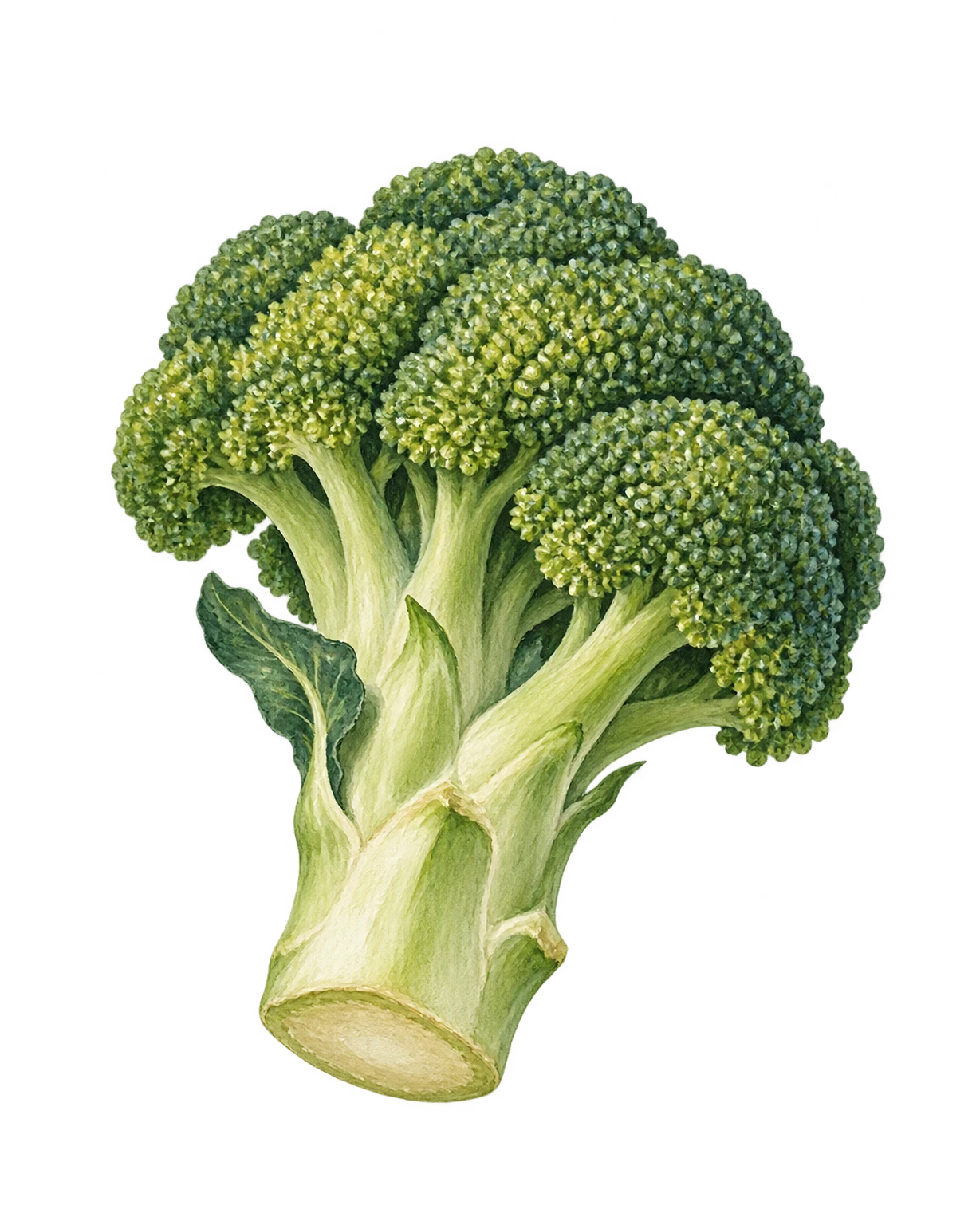
Broccoli
Broccoli is a usually green vegetable in the cabbage family, with tender florets and an edible stalk. It is known for its vitamin C, folate and fibre content.
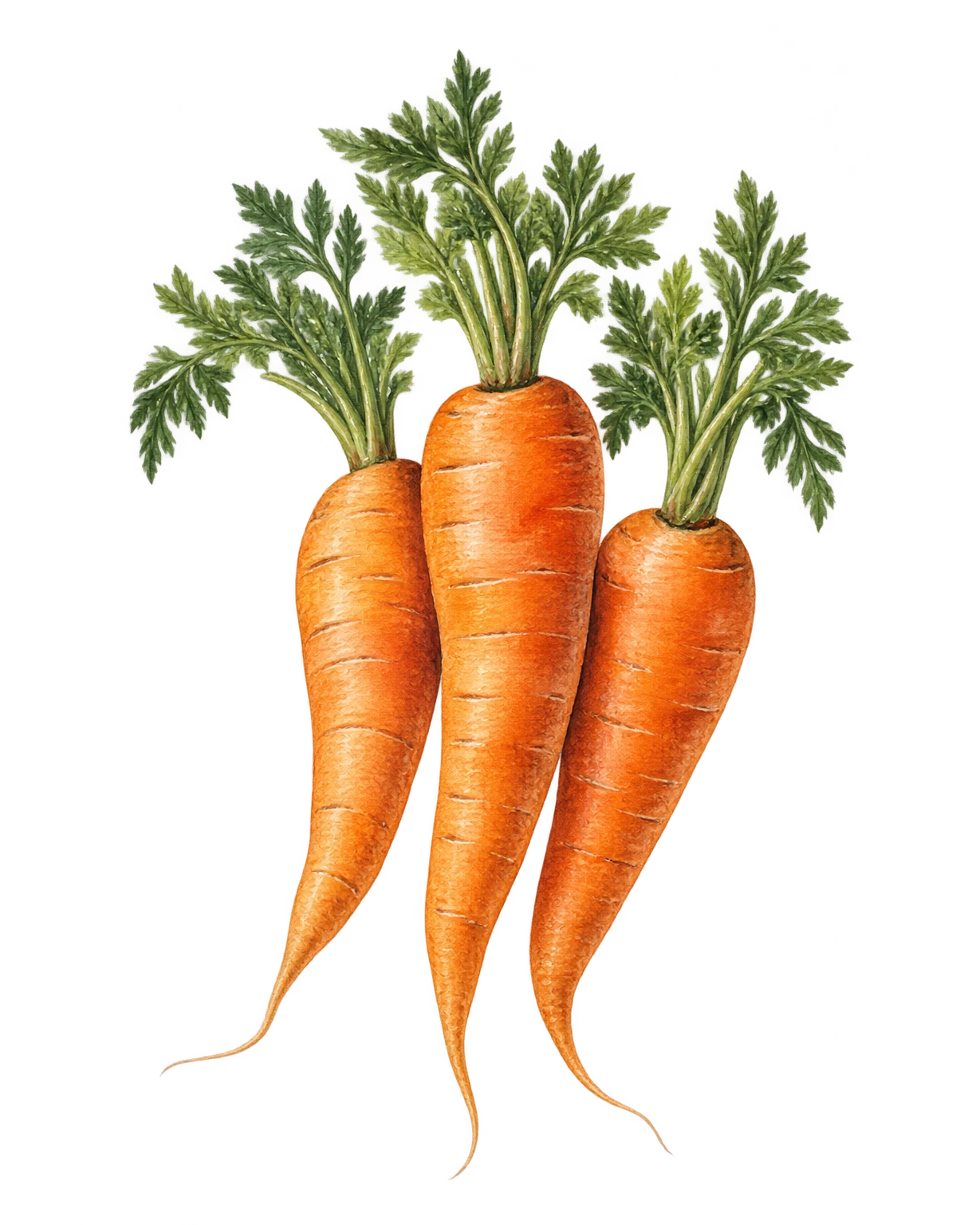
Carrots
Carrots are crunchy, mildly sweet root vegetables that can be eaten raw or cooked. Orange carrots are particularly known for their beta-carotene content; they also contain fibre.
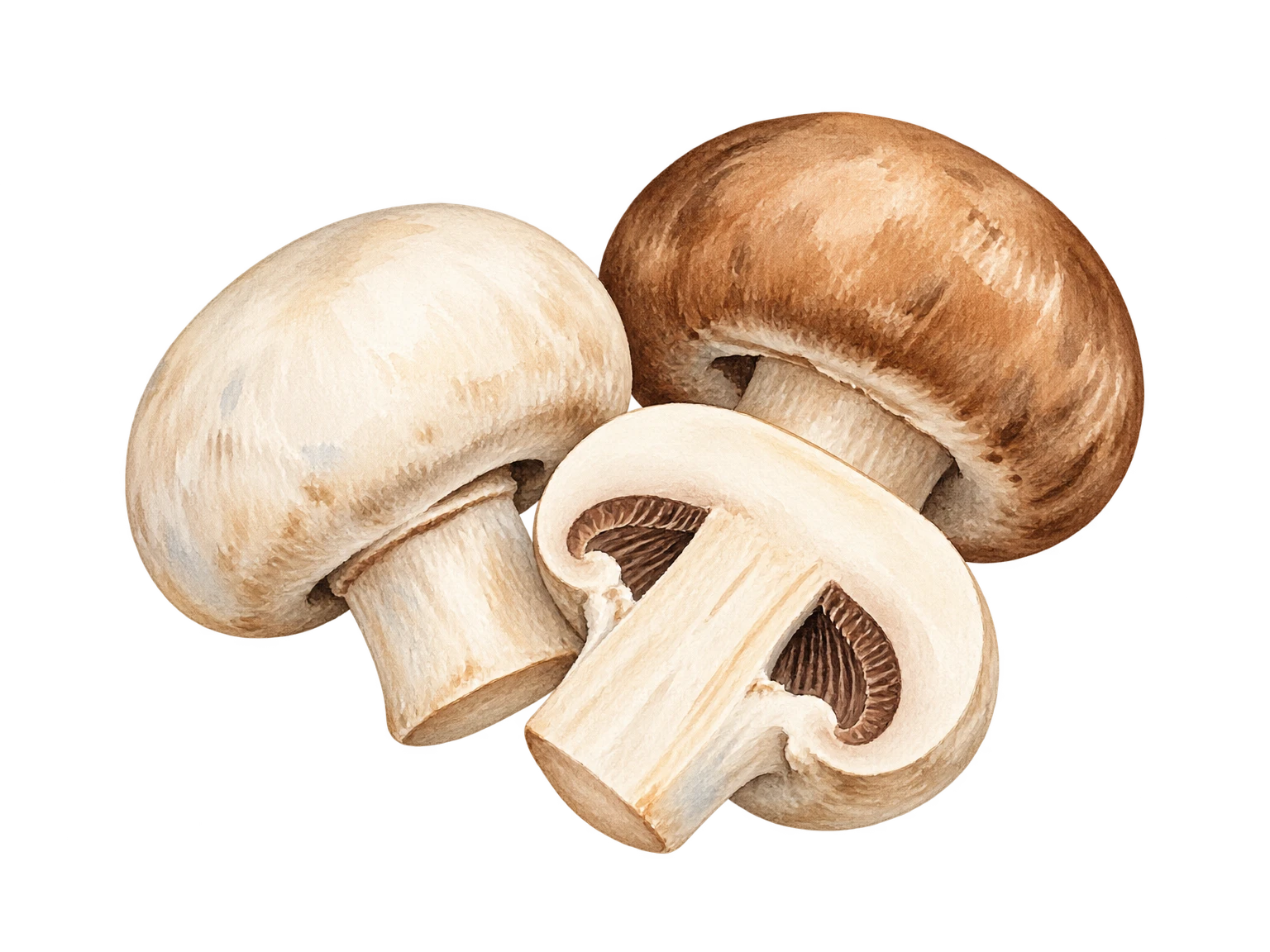
Button mushrooms
Button mushrooms are mild edible mushrooms with white or brown caps. They work well in stir-fries, soups and sauces and provide B vitamins and minerals.
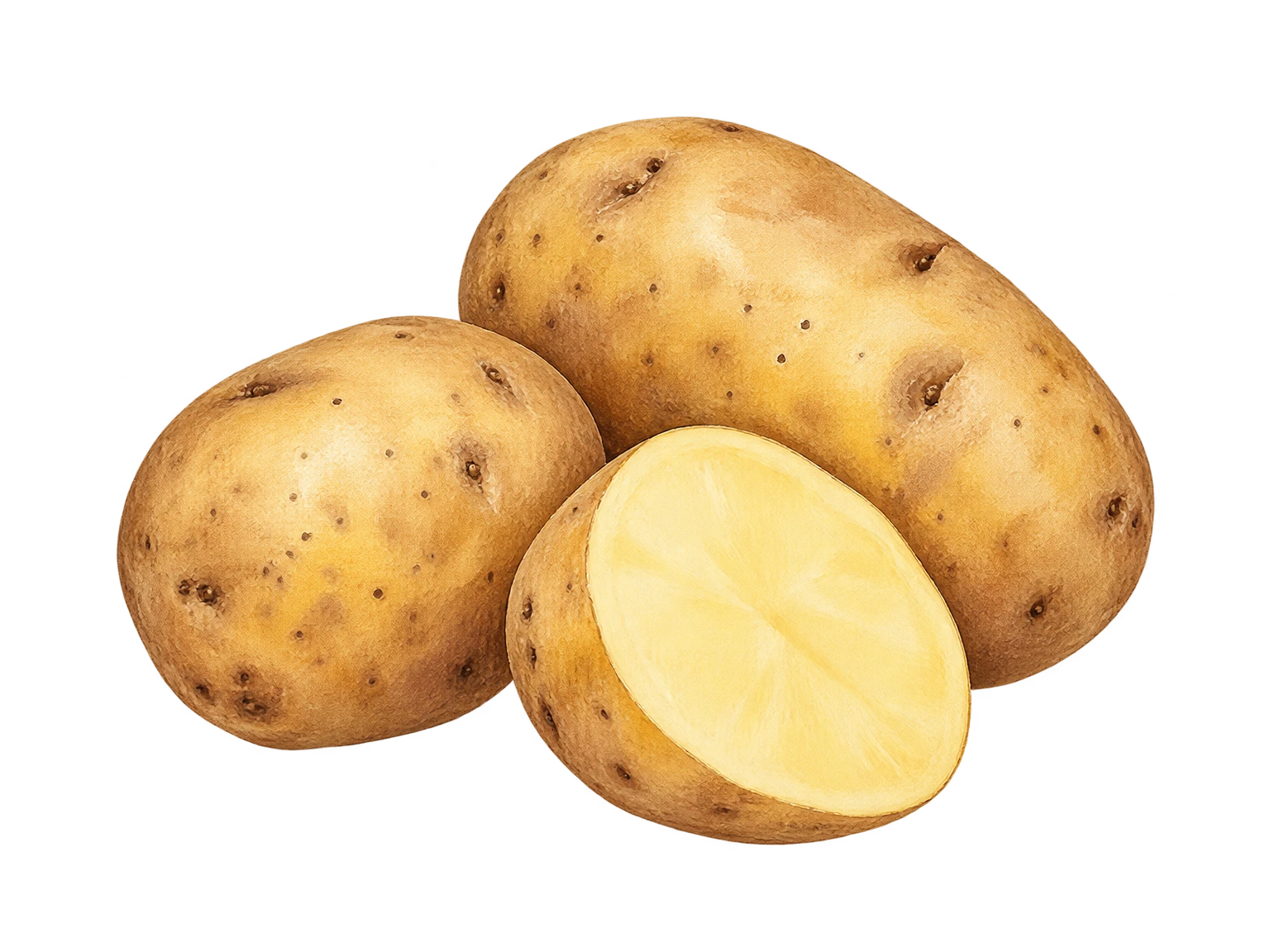
Potatoes
Potatoes are the edible, starch-rich tubers of the potato plant. A versatile staple, they can be boiled, baked, mashed or used in a wide range of dishes.
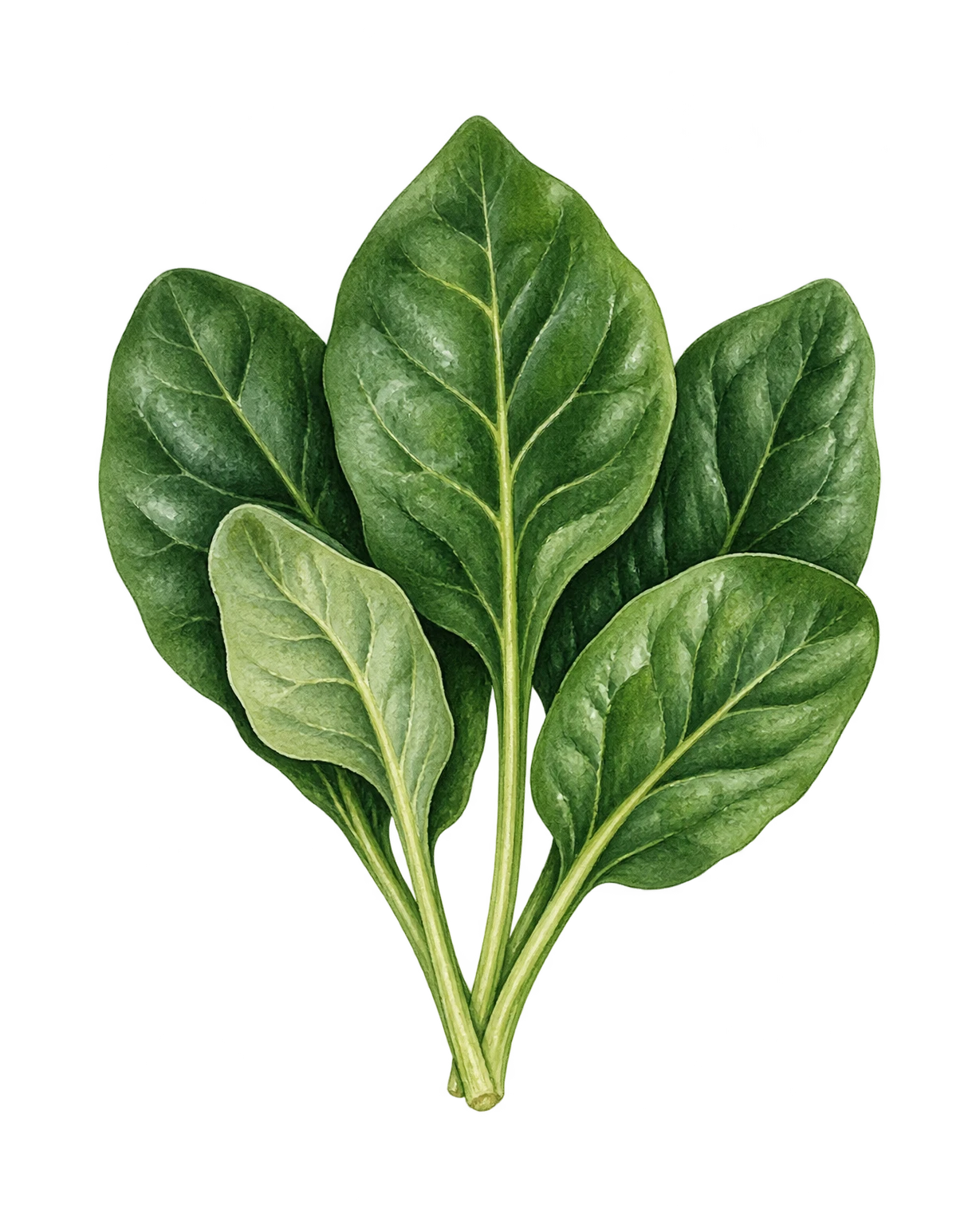
Spinach
Spinach is a green leafy vegetable. The food consists of the edible leaves of the plant Spinacia oleracea.
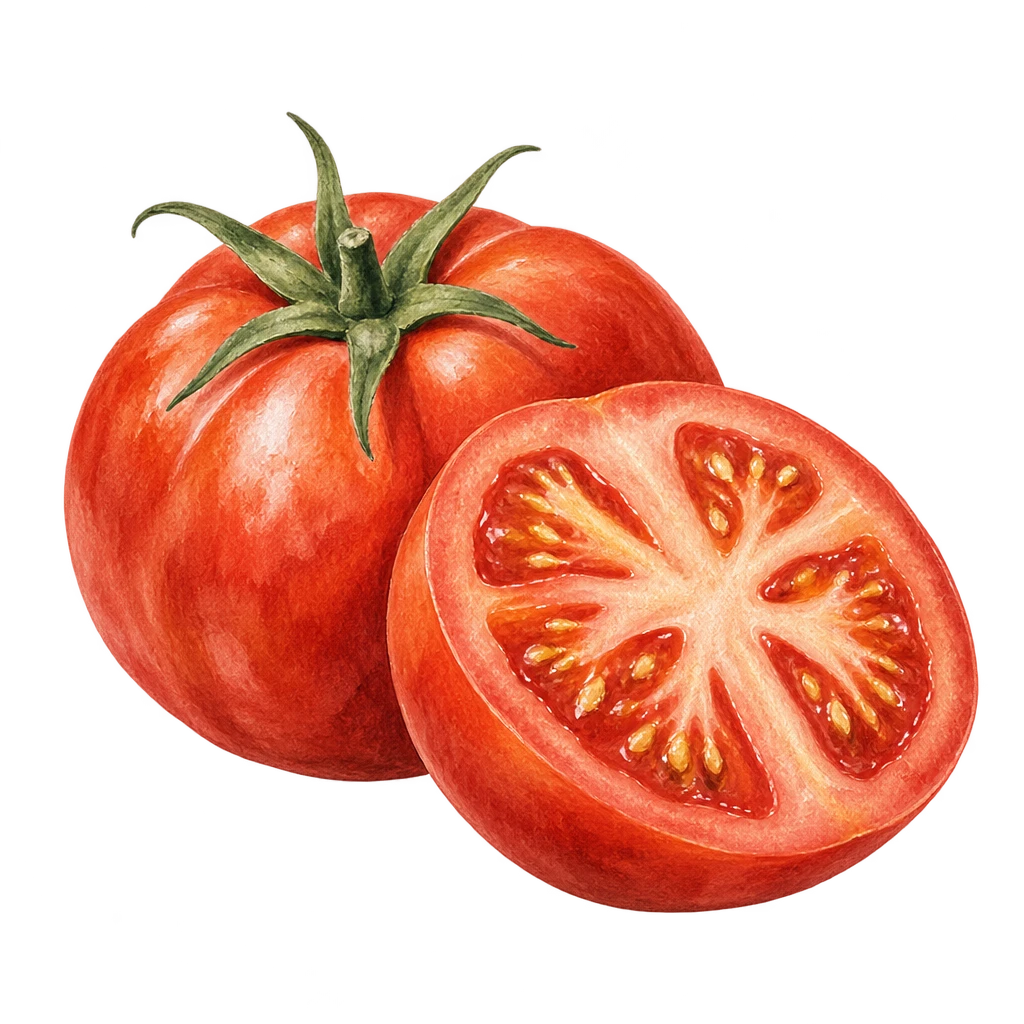
Tomatoes
Tomatoes are juicy fruits used as vegetables in cooking. You can eat them raw or cooked. Nutritionally, they are known for their high water content and the red carotenoid lycopene.
Sources
- 01NHSFood allergyOpen source
- 02Guy's and St Thomas' NHS Foundation TrustPollen food syndromeOpen source
- 03US Food and Drug AdministrationSelecting and Serving Produce SafelyOpen source
- 04ANSES – French Agency for Food, Environmental and Occupational Health & Safety – Ciqual French food composition table · 2025Sweet pepper, red, raw (CIQUAL 20087)Open source