Vegetables
Button mushrooms
Button mushrooms are mild edible mushrooms with white or brown caps. They work well in stir-fries, soups and sauces and provide B vitamins and minerals.
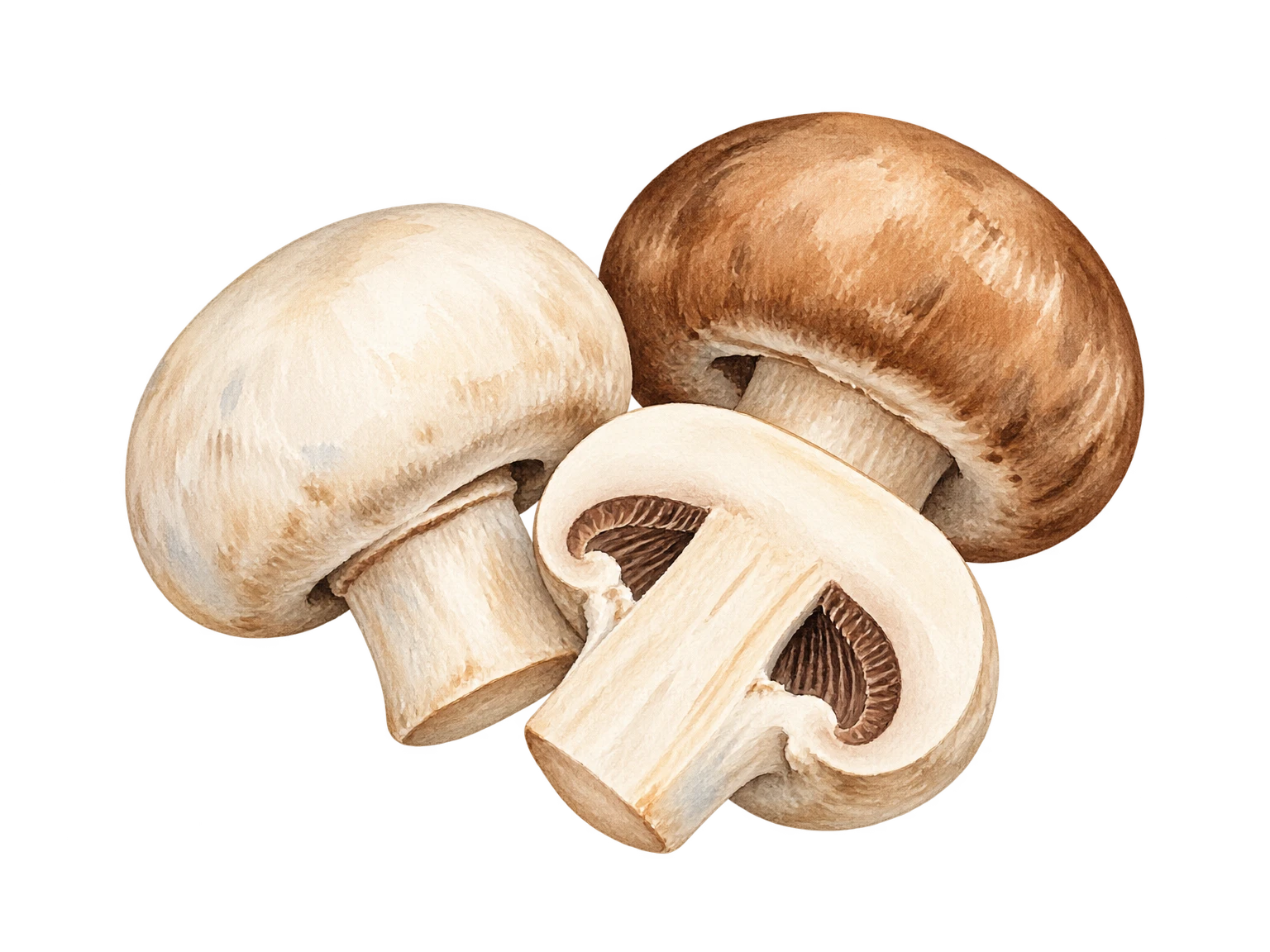
Common cultivated button mushrooms belong to the species Agaricus bisporus. Although they are fungi, they are used much like vegetables in cooking. You can sauté, grill, roast or stuff them; cooking brings out their savoury flavour. The nutrient table lists amounts per 100 g, together with the source.
Button mushrooms are mild edible mushrooms, usually available with white or brown caps. They belong to the species Agaricus bisporus. Biologically they are fungi, though they are used much like vegetables in cooking.
In the kitchen
You can fry, steam, grill or stuff button mushrooms. They work well in stir-fries, soups and sauces, and develop a savoury flavour when cooked.
Nutrients
Button mushrooms provide, among other things, B vitamins and minerals. The nutrient table shows the amounts per 100 g.
Nutrients
- Protein2.11 gper 100 g[5]
- Omega-3 fatty acids0 gper 100 g[5]
- Dietary fibre1 gper 100 g[5]
- Calcium3 mgper 100 g[5]
- Iron0.31 mgper 100 g[5]
- Magnesium10.4 mgper 100 g[5]
- Phosphorus108 mgper 100 g[5]
- Potassium364 mgper 100 g[5]
- Zinc0.53 mgper 100 g[5]
- Copper0.29 mgper 100 g[5]
- Iodine4.81 µgper 100 g[5]
- Selenium7.11 µgper 100 g[5]
- Vitamin A0 µgper 100 g[5]
- Vitamin E0.02 mgper 100 g[5]
- Vitamin D0.3 µgper 100 g[5]
- Vitamin C3.18 mgper 100 g[5]
- Vitamin B1 (thiamin)0.059 mgper 100 g[5]
- Vitamin B2 (Riboflavin)0.13 mgper 100 g[5]
- Niacin (Vitamin B3)4.49 mgper 100 g[5]
- Vitamin B60.15 mgper 100 g[5]
- Vitamin B120 µgper 100 g[5]
- Vitamin K0 µgper 100 g[5]
- Folate28 µgper 100 g[5]
Safety information
Contraindication
Avoid if you have a confirmed mushroom allergy
If you have a confirmed allergy to button, cremini or portobello mushrooms, avoid them even when cooked. Allergic reactions, including anaphylaxis, have been documented; cooking does not reliably prevent them. Whether you can tolerate other mushroom species needs individual assessment by an allergy specialist. [1]
Caution
Prefer cooked mushrooms
Mushrooms naturally contain agaritine and related substances. Prefer cooked mushrooms and limit raw consumption, particularly if you eat them frequently. Heating reduces these substances but does not necessarily remove them completely. A human cancer risk from ordinary mushroom meals has not been established. [2][3]
Caution
Store safely and prepare hygienically
Keep fresh mushrooms refrigerated, do not use spoiled mushrooms, and clean them under running water before preparation. Avoid contact with raw meat and cook thoroughly. These precautions are especially important during pregnancy and for young children, older adults and people with weakened immune systems, who are more vulnerable to serious foodborne illness. [2][4]
Frequently asked questions
What types of button mushrooms are there?
There are white and brown cultivated button mushrooms.
How can I use button mushrooms?
They work well in stir-fries, soups and sauces.
What nutrients do button mushrooms provide?
They provide, among other things, B vitamins and minerals. For example, they contain 4.49 mg of niacin per 100 g.
More entries
Bell pepper
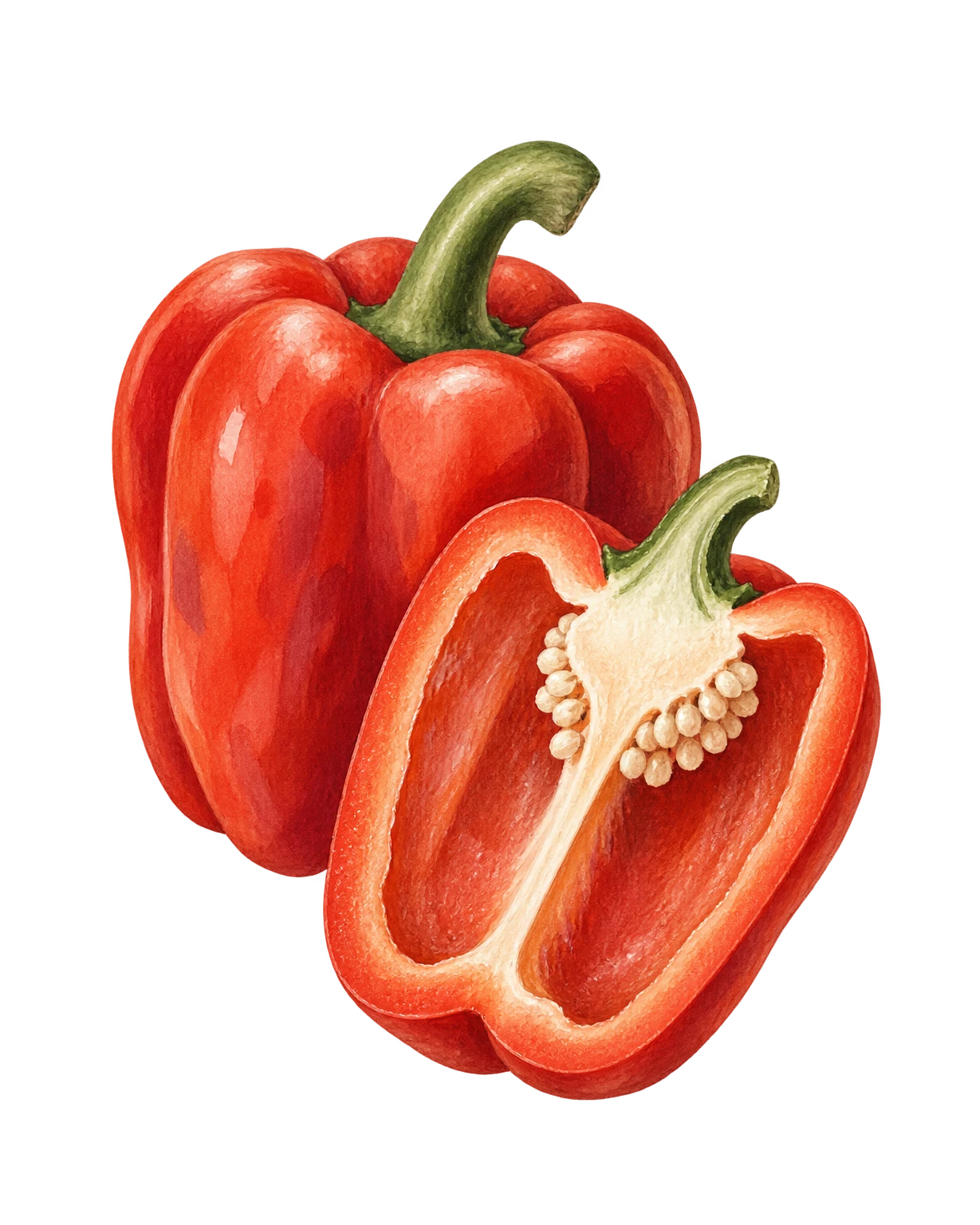
Bell peppers are crisp vegetables with a mild to sweet flavour, eaten raw or cooked. Nutritionally, they are particularly known for vitamin C and carotenoid pigments.
Broccoli
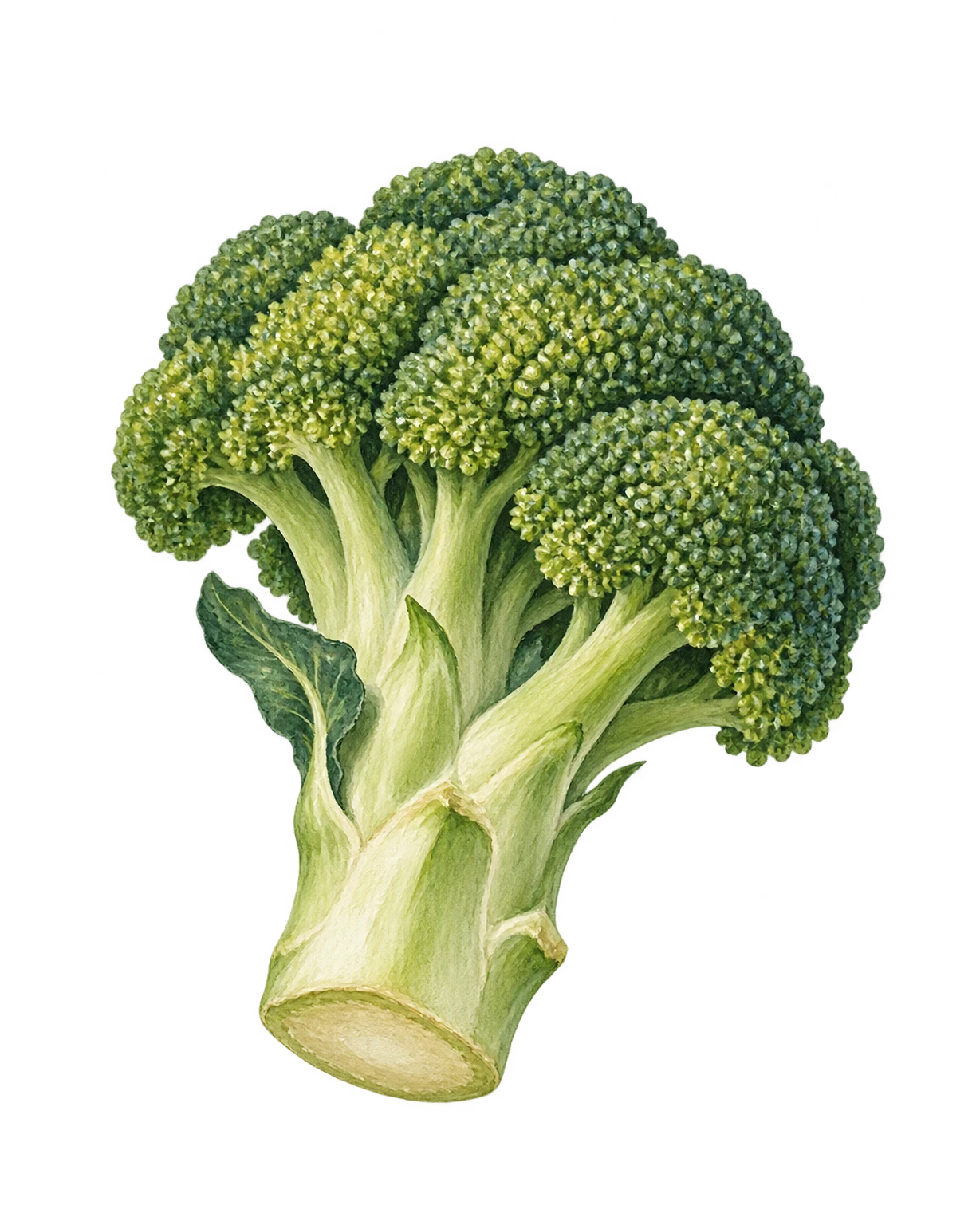
Broccoli is a usually green vegetable in the cabbage family, with tender florets and an edible stalk. It is known for its vitamin C, folate and fibre content.
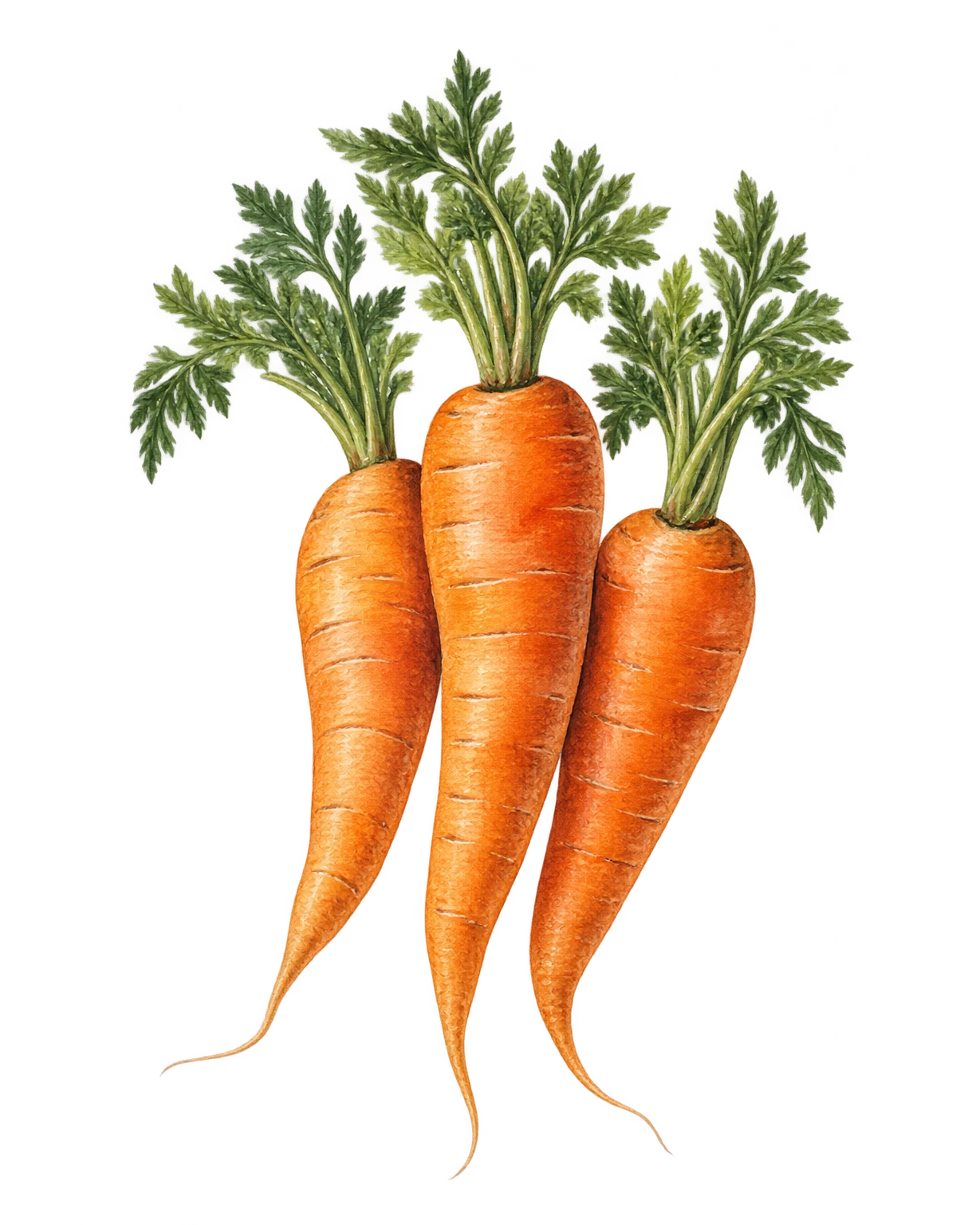
Carrots
Carrots are crunchy, mildly sweet root vegetables that can be eaten raw or cooked. Orange carrots are particularly known for their beta-carotene content; they also contain fibre.
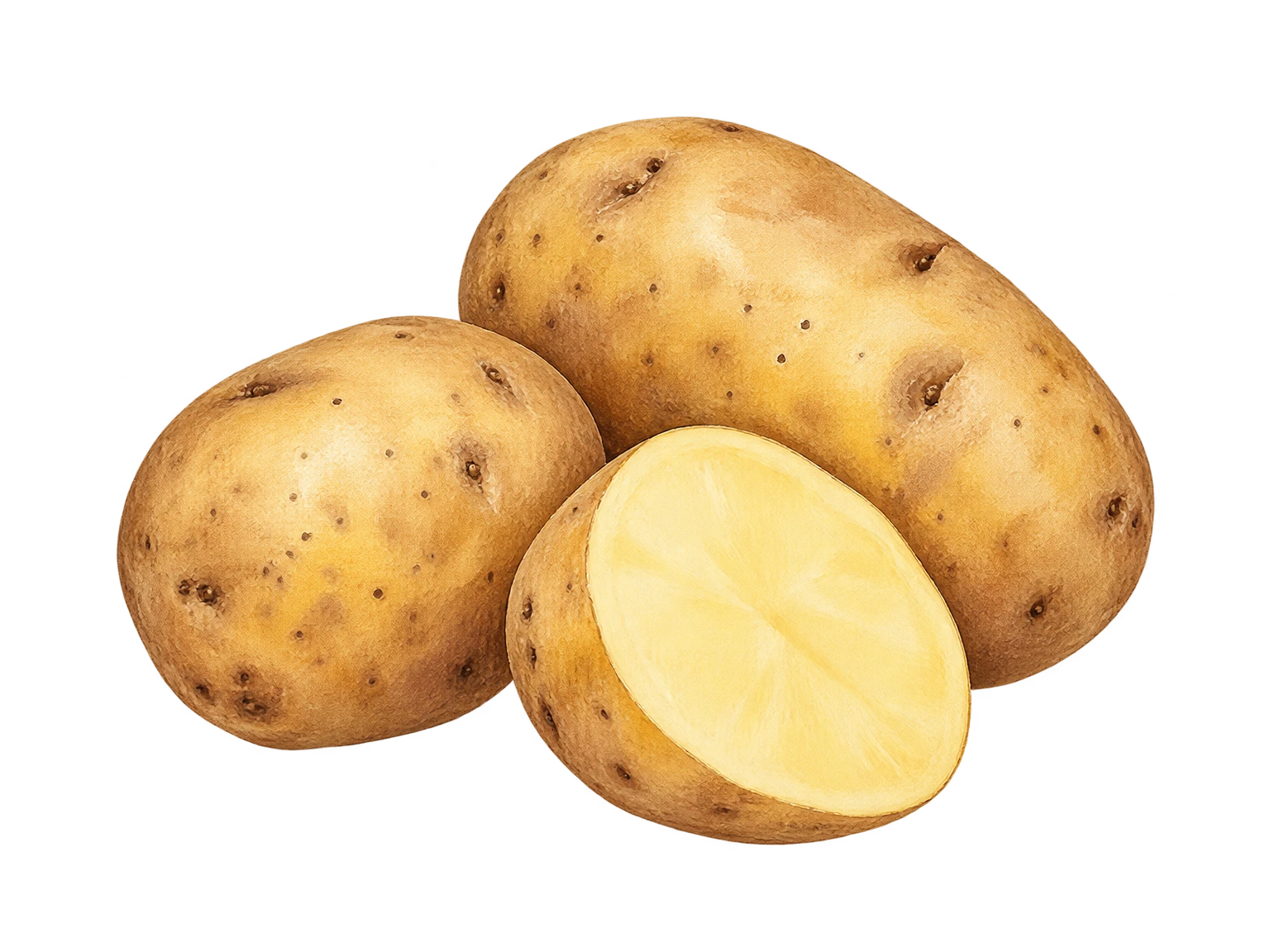
Potatoes
Potatoes are the edible, starch-rich tubers of the potato plant. A versatile staple, they can be boiled, baked, mashed or used in a wide range of dishes.
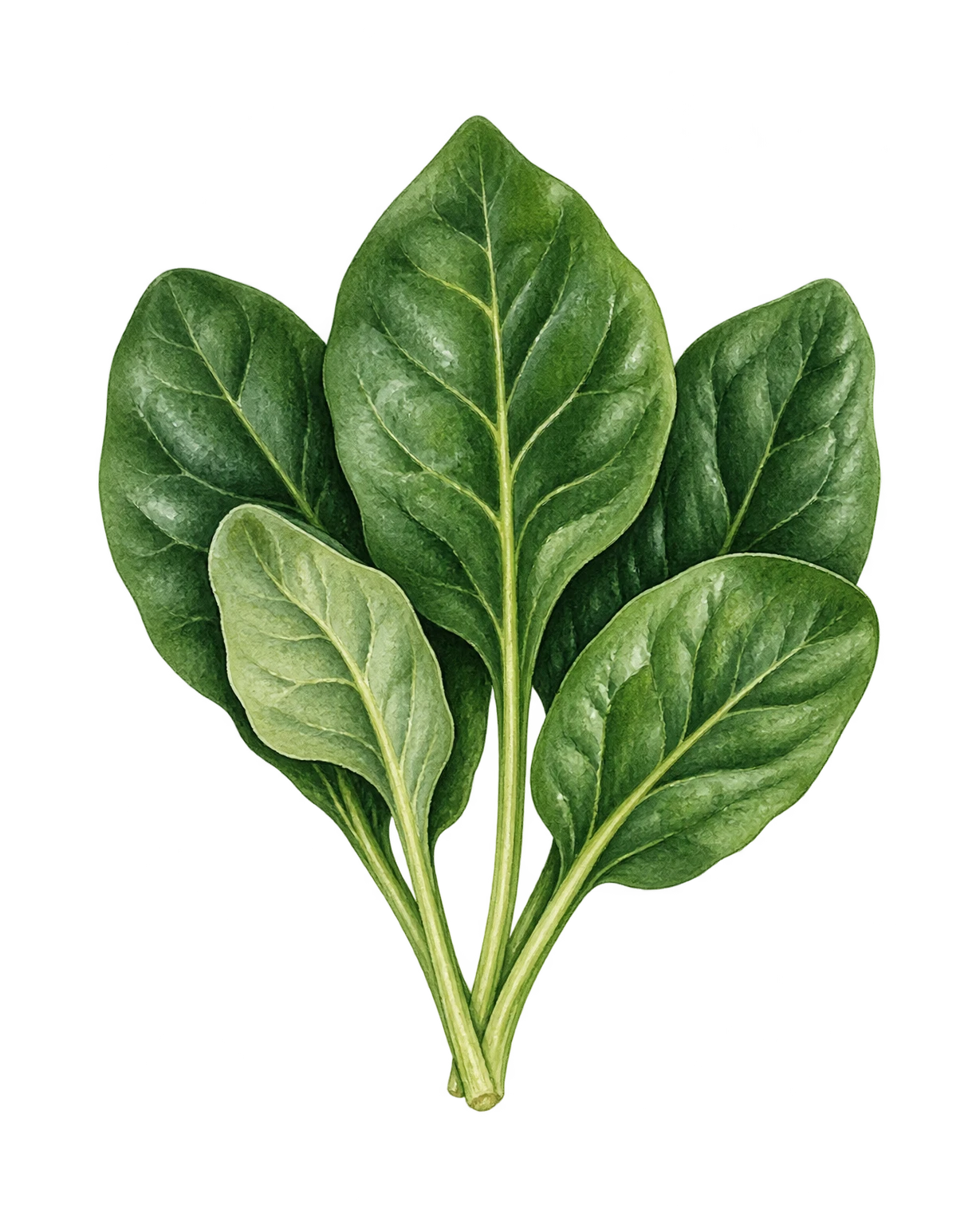
Spinach
Spinach is a green leafy vegetable. The food consists of the edible leaves of the plant Spinacia oleracea.
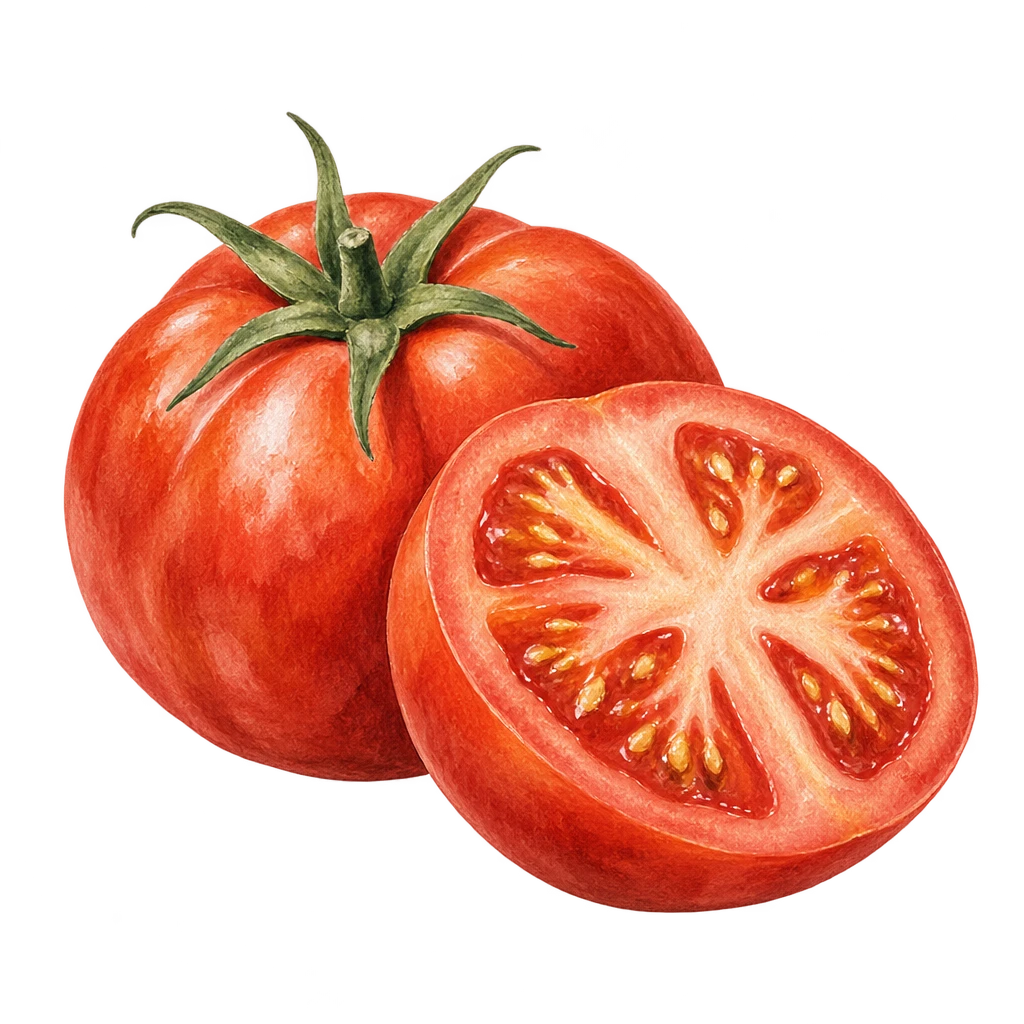
Tomatoes
Tomatoes are juicy fruits used as vegetables in cooking. You can eat them raw or cooked. Nutritionally, they are known for their high water content and the red carotenoid lycopene.
Sources
- 01Agaricus bisporus mushroom anaphylaxis: A case report and review of the literatureOpen source
- 02FødevarestyrelsenSpisesvampe – du kan købe i butikkerneOpen source
- 03FødevarestyrelsenPhenylhydrazinderivaterOpen source
- 04US Food and Drug AdministrationSelecting and Serving Produce SafelyOpen source
- 05ANSES – French Agency for Food, Environmental and Occupational Health & Safety – Ciqual French food composition table · 2025Button mushroom or cultivated mushroom, raw (CIQUAL 20056)Open source